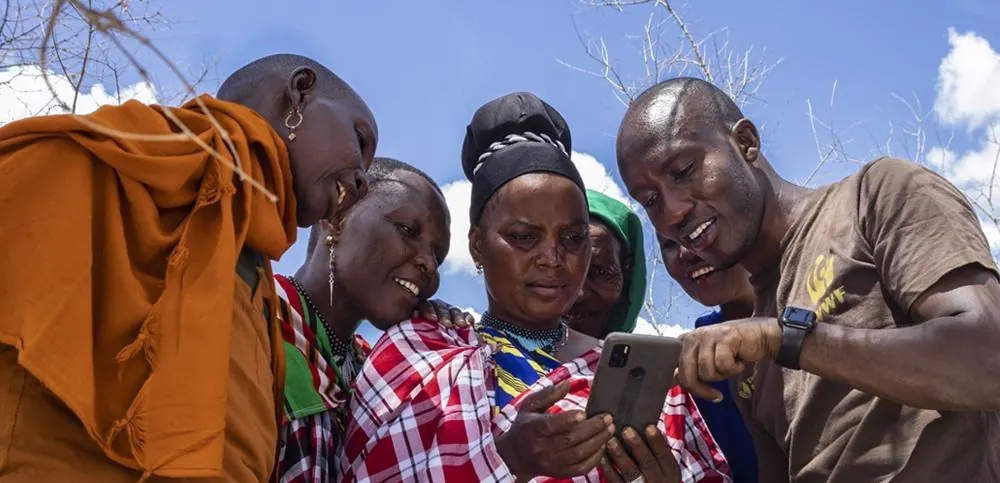
Africa is embarking on a new phase in its digital transformation, with a goal to connect one billion people to the internet by 2030. This ambitious target reflects a shift in priorities, focusing on ensuring Africans can afford, access, and meaningfully use digital services. The GSMA and Partnership for Digital Access in Africa (PDAA) have launched a roadmap to support this goal, emphasizing better infrastructure, affordable devices, reliable energy, digital skills, and relevant online services.
The challenge is substantial, with about 906 million Africans living within mobile broadband coverage but not using mobile internet, and approximately 122 million people remaining outside mobile broadband coverage. The usage gap far exceeds the coverage gap, highlighting that connectivity alone does not guarantee participation. Factors such as the cost of smartphones, internet data, electricity, and digital services can determine whether people can turn access into economic opportunity.
The roadmap proposes accelerating the transition from older 2G and 3G connections to 4G and 5G smartphones, with over 600 million legacy connections needing to migrate towards meaningful internet use. Affordability is a major consideration, with smartphones remaining expensive relative to household incomes for millions of Africans. The roadmap calls for action to improve access to affordable, quality devices alongside practical digital skills and locally relevant online content.
Energy is also crucial, as reliable electricity is needed to operate telecommunications infrastructure, charge devices, and enable people to use digital services consistently. The roadmap calls for greater coordination between energy and connectivity investments, particularly in underserved communities. This coordination can help bridge the digital divide and ensure that connectivity translates into economic opportunity.
The economic opportunity is considerable, with closing the mobile internet usage gap estimated to unlock substantial economic value. Halving the usage gap across 11 assessed markets could bring approximately 245 million additional people online. These markets include the Democratic Republic of Congo, Egypt, Ethiopia, Ghana, Kenya, Niger, Nigeria, Rwanda, Senegal, South Africa, and Uganda.
The benefits of greater connectivity extend across almost every part of the economy, including education, healthcare, financial inclusion, small businesses, and entrepreneurship. Digital platforms can expand access to these services, making it easier for people to participate in the economy and for entrepreneurs to reach customers beyond their immediate communities.
Reaching one billion connected Africans by 2030 will require cooperation among governments, telecommunications companies, investors, and development partners. If infrastructure, affordable devices, reliable electricity, and digital skills advance together, connectivity can become a stronger engine of economic participation and innovation across the continent.
Key points
- Africa aims to connect one billion people to the internet by 2030.
- The GSMA and PDAA have launched a roadmap to support this goal.
- Closing the mobile internet usage gap could unlock substantial economic value.