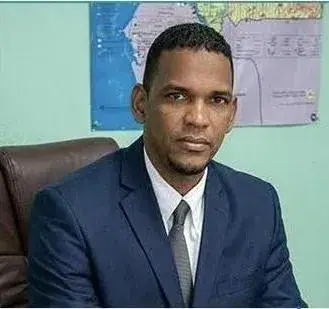
Dr. Taiwo Afolabi, Chairman of SIFAX Group, has emphasized the need for a stronger integration of economic investment into the global architecture for conflict prevention. Speaking at the United Nations General Assembly High-Level Global Executive Roundtable on Diplomacy, Multilateralism and Conflict Resolution in New York, Afolabi argued that infrastructure, employment, trade, and economic opportunity can address some structural conditions that make societies vulnerable to instability.
Afolabi stressed that the international community must shift its focus from responding to conflicts after they erupt to placing greater emphasis on preventive diplomacy, sustainable development, and economic inclusion. He noted that peace and prosperity are mutually reinforcing, stating that "peace creates the environment for investment, investment creates opportunity, and opportunity strengthens the foundations of peace." This approach, he believes, can help mitigate the current global challenges.
The world is currently facing a combination of geopolitical tensions, economic uncertainty, climate pressures, inequality, and declining trust in institutions. Afolabi argued that these challenges require a coordinated response built around diplomacy, multilateralism, conflict resolution, and sustainable economic development. He emphasized that the relationship between peace and development is particularly crucial for Africa.
Africa's development prospects are affected by infrastructure deficits, financing constraints, trade barriers, and limited economic opportunities. Afolabi stated that Africa's peacebuilding agenda must be accompanied by an investment agenda, focusing on transport infrastructure, ports, energy, technology, manufacturing, agriculture, healthcare, education, and human capital. He believes that investment in these areas can help address some of the structural conditions that make societies vulnerable to instability.
Afolabi also called for stronger regional value chains and improved connectivity across African economies. He stressed that the successful implementation of the African Continental Free Trade Area (AfCFTA) requires more than trade agreements. Efficient logistics, digital systems, financing, and political cooperation are essential for the agreement's success.
The AfCFTA, Afolabi noted, can create shared interests among nations through trade and connectivity. He emphasized that the agreement's success depends on several factors, including infrastructure, efficient logistics, digital systems, financing, and political cooperation. By addressing these areas, Africa can unlock its economic potential and promote peace and stability.
In conclusion, Afolabi's call for a stronger integration of economic investment into the global conflict prevention strategy highlights the need for a coordinated approach to addressing global challenges. By prioritizing preventive diplomacy, sustainable development, and economic inclusion, the international community can work towards promoting peace and stability.
Key points
- Dr. Taiwo Afolabi emphasizes the need for a stronger integration of economic investment into the global architecture for conflict prevention.
- Afolabi stresses that peace and prosperity are mutually reinforcing, with peace creating the environment for investment and investment strengthening the foundations of peace.
- The successful implementation of the African Continental Free Trade Area (AfCFTA) requires more than trade agreements, including infrastructure, efficient logistics, digital systems, financing, and political cooperation.