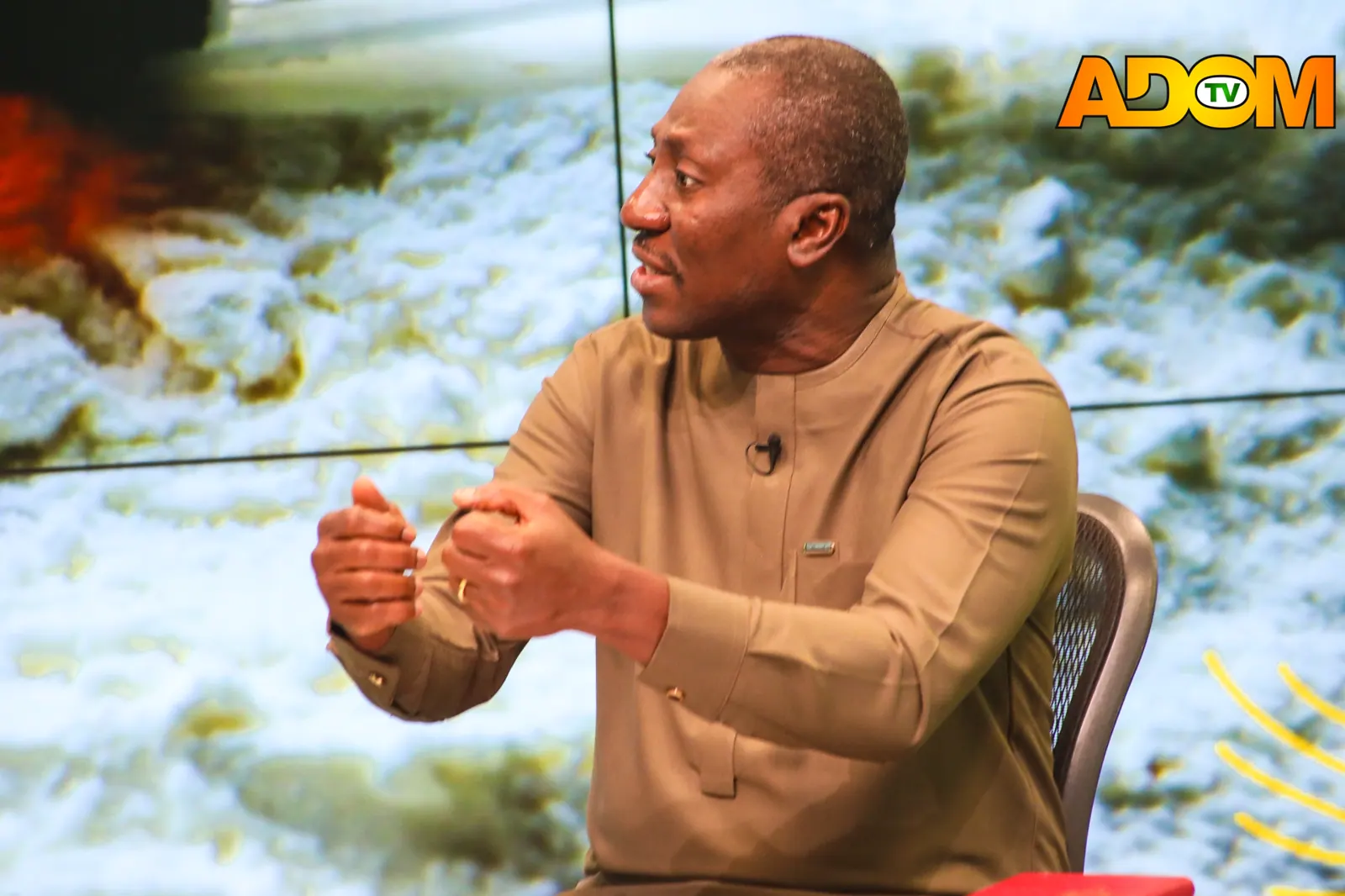
Minority Leader Alexander Afenyo-Markin has defended his recent comment describing Ghana as a potential "hub" for cocaine-related activities. He insists that the statement was metaphorical and not meant to be taken literally. Afenyo-Markin made the comments in an interview on Adom TV's Badwam, where he explained that his statement was based on concerns over cocaine allegedly passing through Ghana's borders.
Afenyo-Markin cited repeated incidents involving cocaine allegedly passing through Ghana, coupled with arrests, which raised questions about the effectiveness of the country's border controls. He also referenced statements attributed to government officials about possible official involvement in the cocaine trade. According to him, these circumstances create an environment that could facilitate the cocaine trade.
The Minority Leader maintained that his comments were not an isolated allegation but a reiteration of concerns previously raised by the Interior Minister. He emphasized that describing Ghana as a "hub" was meant to illustrate how the country could become a transshipment point if cocaine was brought into the country and moved onward to other destinations.
Afenyo-Markin further explained that his statement should not be interpreted as a claim requiring him to provide evidence of Ghana being a cocaine hub. He stressed that the language used was a metaphor, meant to situate the concerns in a certain context. According to him, if a country's corridors are allowed to be used for cocaine trafficking and it gets out of control, it could create a hub for that business.
The Minority Leader's comments have sparked controversy, with some accusing him of making unsubstantiated claims. However, Afenyo-Markin remains adamant that his statement was not meant to be taken literally. He reiterated that his intention was to highlight concerns about the country's border controls and the potential for cocaine trafficking.
The issue of cocaine trafficking in Ghana has been a subject of concern for some time, with some government officials and lawmakers raising alarms about the country's vulnerability to the menace. Afenyo-Markin's comments have reignited the debate, with many calling for greater action to be taken to prevent cocaine trafficking in the country.
The controversy surrounding Afenyo-Markin's comments highlights the need for a more nuanced discussion about the issue of cocaine trafficking in Ghana. The country's authorities will need to take a closer look at the concerns raised and work towards finding solutions to prevent the country's borders from being compromised.
Key points
- Afenyo-Markin insists his comment was metaphorical, not a claim requiring evidence.
- The Minority Leader's statement was based on concerns over cocaine allegedly passing through Ghana's borders.
- Afenyo-Markin reiterated concerns previously raised by the Interior Minister about the country's vulnerability to cocaine trafficking.