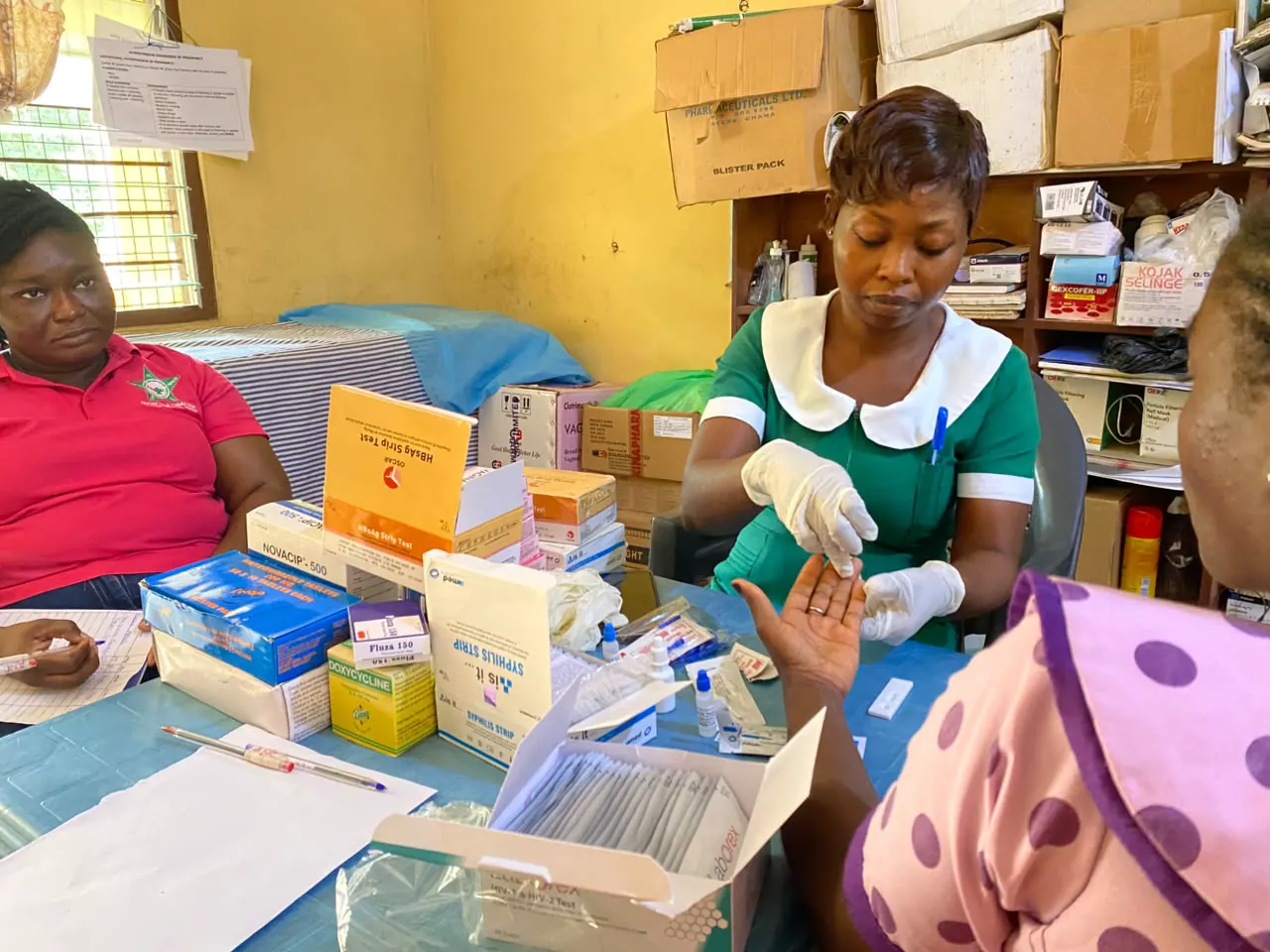
More than 100 out-of-school young people in Mafi Avedo, a community in the Central Tongu District of Ghana, have been sensitized on family planning, condom use, and the prevention of sexually transmitted infections (STIs), including HIV. This engagement was organized by the Planned Parenthood Association of Ghana (PPAG) as part of the UNFPA Adolescent Girls Empowerment Programme, funded by Global Affairs Canada. The program aimed to improve young people's access to accurate reproductive health information and services.
The program, held under the "NextGen Forum with Community Youth-Led Platform activity," brought together apprentices and other out-of-school youth for education and discussions on sexual and reproductive health. Mr. Christopher Makam, the PPAG's Focal Person for UNFPA Adolescent Girls Empowerment Programme in the Volta Region, stated that the initiative was designed to bridge gaps in access to reproductive health information and services among young people outside the formal education system.
Many adolescents engaged in apprenticeship and vocational activities, such as hairdressing and dressmaking, require targeted interventions to equip them with reliable information to make informed decisions about their reproductive health. Mr. Makam emphasized that taking the engagement into communities was crucial because some young people might be reluctant to seek reproductive health information and services through conventional channels. He encouraged the adolescents to seek professional information, counseling, and services whenever necessary.
Mr. Makam observed that reproductive health issues were sometimes discussed in secrecy within communities, leading some young people to conceal infections, self-medicate, or rely on unqualified sources for advice. He urged the participants to seek timely medical attention when they experienced symptoms of STIs and to make informed choices regarding their reproductive health. Mr. Mathew Ayamba, the Central Tongu District Health Director, cautioned the participants against behaviors that could expose them to STIs and unintended pregnancies.
Mr. Ayamba stressed the importance of responsible sexual choices and the use of appropriate preventive measures. He urged the young people to seek professional counseling on family planning rather than relying on misinformation or advice from peers, noting that access to accurate information was essential to making responsible reproductive health decisions. He also advised the adolescents to be mindful of peer pressure and situations that could lead to risky sexual behavior.
Madam Grace Morkli, a midwife with the Ghana Health Service and facilitator, emphasized that continuous reproductive health education was critical to reducing unintended pregnancies, unsafe abortions, and STIs among adolescents. She stated that the engagement had improved participants' understanding of STI symptoms and the importance of early testing and treatment. Madam Morkli called for sustained and expanded community-based reproductive health education to ensure that more adolescents had access to accurate information and youth-friendly services.
The facilitators also educated participants on available contraceptive methods, possible side effects, and the importance of professional counseling in choosing appropriate methods. Participants expressed appreciation to UNFPA and PPAG for the engagement and called for more regular community-based programs and improved access to youth-friendly reproductive health services.
Key points
- The program aimed to improve young people's access to accurate reproductive health information and services.
- The engagement was part of the UNFPA Adolescent Girls Empowerment Programme, funded by Global Affairs Canada.
- The program targeted out-of-school youth, who often lack access to reproductive health information and services.