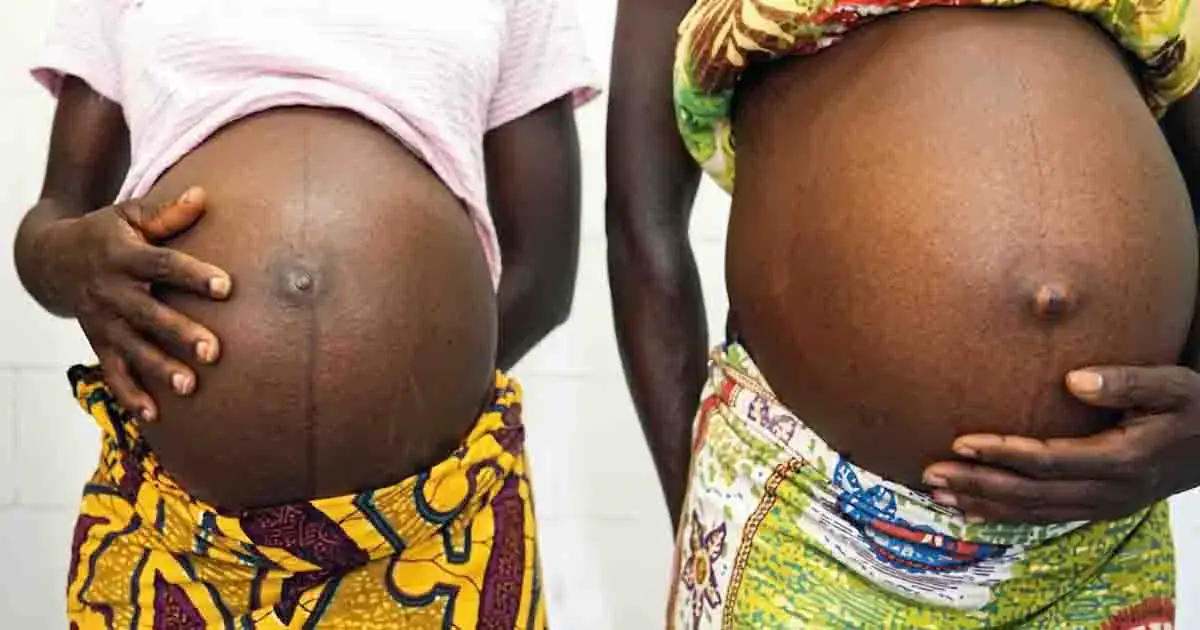
The United Nations Committee on the Elimination of Discrimination against Women (CEDAW) has expressed concerns over Angola's adolescent pregnancy rates, which stand at 27.1% for girls aged 15-19 nationwide. In rural areas, this figure jumps to 42.5%, according to data collected in 2023 and 2024. This disparity between urban and rural areas persists despite a reduction in adolescent pregnancy rates in recent years.
The CEDAW committee has urged the Angolan government to adopt a national strategy to tackle adolescent pregnancy, complete with adequate funding. This strategy should prioritize age-appropriate sexual education and confidential access to sexual and reproductive health services. Furthermore, the committee recommends making contraceptive methods available on a voluntary basis and strengthening measures to combat sexual violence and child marriage.
To effectively reduce adolescent pregnancy rates, the CEDAW committee stresses the need for public policies that provide greater protection to girls, particularly in rural communities. The committee also identified economic obstacles, including limited access to bank credit, low-interest loans, and digital technologies. In response, they recommend expanding the Informal Economy Conversion Program and increasing financing opportunities for women's entrepreneurship.
Despite these concerns, the CEDAW committee acknowledges progress in promoting gender equality in Angola. The committee cites the Domestic Violence Law, the Gender Observatory, and the adoption of national policies for protecting women's rights as positive developments. These advancements demonstrate the government's commitment to addressing gender-based issues.
The CEDAW committee's concerns extend beyond Angola, with neighboring Cabo Verde also facing challenges. The committee notes a decline in female representation in the executive branch, from 53.3% in 2010 to 16.7% in 2026. To address this issue, the committee recommends amending the Parity Law and implementing measures to combat political violence, harassment, and intimidation against women.
The committee also drew attention to specific provisions in Cabo Verde's legislation that may permit the retroactive recognition of unions initiated when one party was a minor. In response, they recommend legislative changes to protect women's rights, particularly in situations of separation or widowhood. These recommendations emphasize the need for concrete measures to combat inequalities and promote women's rights in both countries.
The CEDAW committee's evaluation of Angola and Cabo Verde highlights the ongoing challenges faced by women in these countries. By adopting and implementing the recommended strategies, both governments can work towards promoting gender equality, protecting women's rights, and addressing pressing issues like adolescent pregnancy and child marriage.
Key points
- The CEDAW committee recommends that the Angolan government adopt a national strategy to tackle adolescent pregnancy, complete with adequate funding.
- The committee urges the government to prioritize age-appropriate sexual education and confidential access to sexual and reproductive health services.
- The committee also recommends expanding the Informal Economy Conversion Program and increasing financing opportunities for women's entrepreneurship.