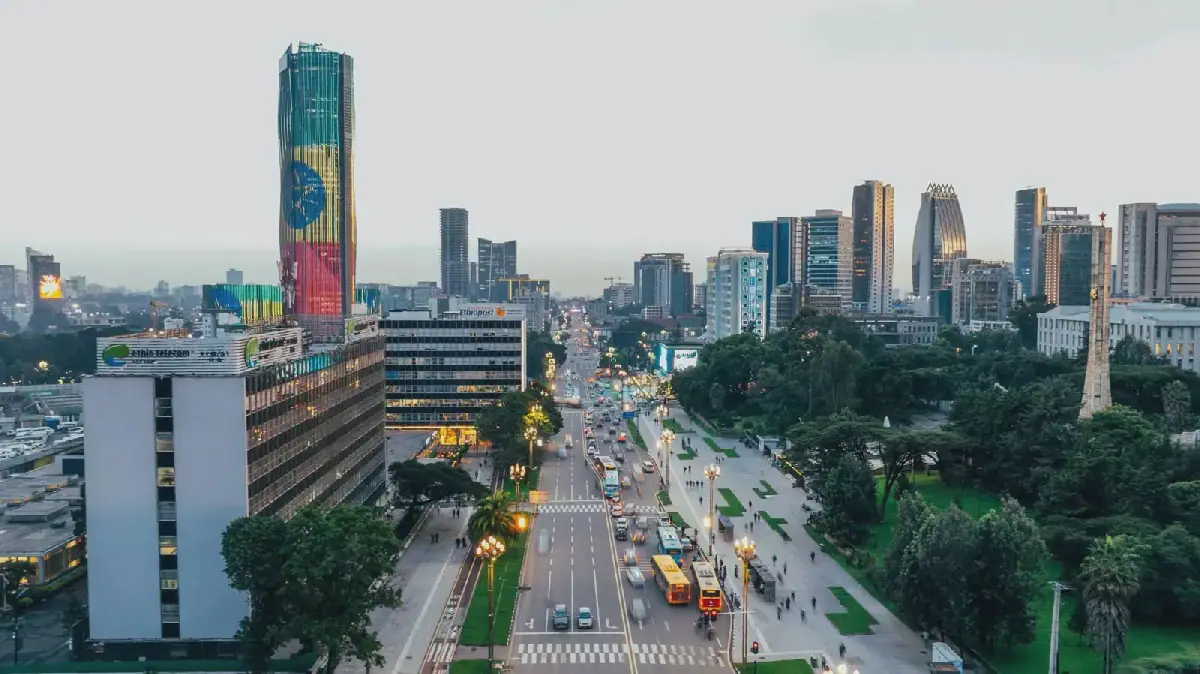
Addis Ababa, the capital of Ethiopia, is undergoing a significant transformation from a concrete-dominated city to a green haven. The city's development has historically prioritized concrete construction over environmental considerations, resulting in a meager 2.8% green coverage. However, in recent years, the city has made concerted efforts to change this narrative. The Addis Ababa city administration has implemented various projects aimed at increasing green spaces, improving the quality of life for residents, and mitigating the effects of climate change.
The city's efforts to increase green spaces have yielded impressive results. The development of corridors, riverbanks, and urban renewal projects has not only expanded the city's infrastructure but also incorporated green areas, pedestrian paths, and tree planting initiatives. These projects have contributed significantly to increasing the city's green coverage to 25%. This achievement is a testament to the city's commitment to creating a more livable and sustainable environment for its residents.
The transformation of Addis Ababa into a green city has had a profound impact on the quality of life for its residents. The city's public parks and green spaces have become popular recreational areas, providing residents with opportunities for socialization, relaxation, and physical activity. The city's residents can now enjoy clean air, scenic views, and a range of outdoor activities, improving their overall well-being.
The city's green spaces have also become important social hubs, fostering a sense of community and social cohesion among residents. The development of public parks and green areas has created opportunities for residents to interact with one another, promoting social connections and a sense of belonging. This, in turn, has contributed to a more harmonious and cohesive community.
Addis Ababa's transformation into a green city is not without its challenges. Despite the significant progress made, the city's green coverage still falls short of the international standard of 30%. However, the city administration remains committed to achieving this goal, with ongoing efforts to expand green spaces and promote sustainable development.
The city's focus on green development is part of a broader vision to create a sustainable and livable city for future generations. The administration's efforts to balance economic growth with environmental considerations reflect a commitment to responsible urban planning and development. By prioritizing green spaces and sustainable practices, Addis Ababa is setting an example for other cities in the region.
As Addis Ababa continues to evolve, its transformation into a green city serves as a model for urban development in the region. The city's experience highlights the importance of balancing economic growth with environmental considerations, demonstrating that sustainable development is possible with concerted effort and commitment. With ongoing efforts to expand green spaces and promote sustainable practices, Addis Ababa is poised to become a beacon of green urban development in Africa.
Key points
- Addis Ababa's green coverage has increased to 25% from 2.8% in recent years.
Reporting sources
- የሰውና የተፈጥሮ መስተጋብር የተሰናሰለባት ከተማ አዲስ አበባ! · Addis Media Network