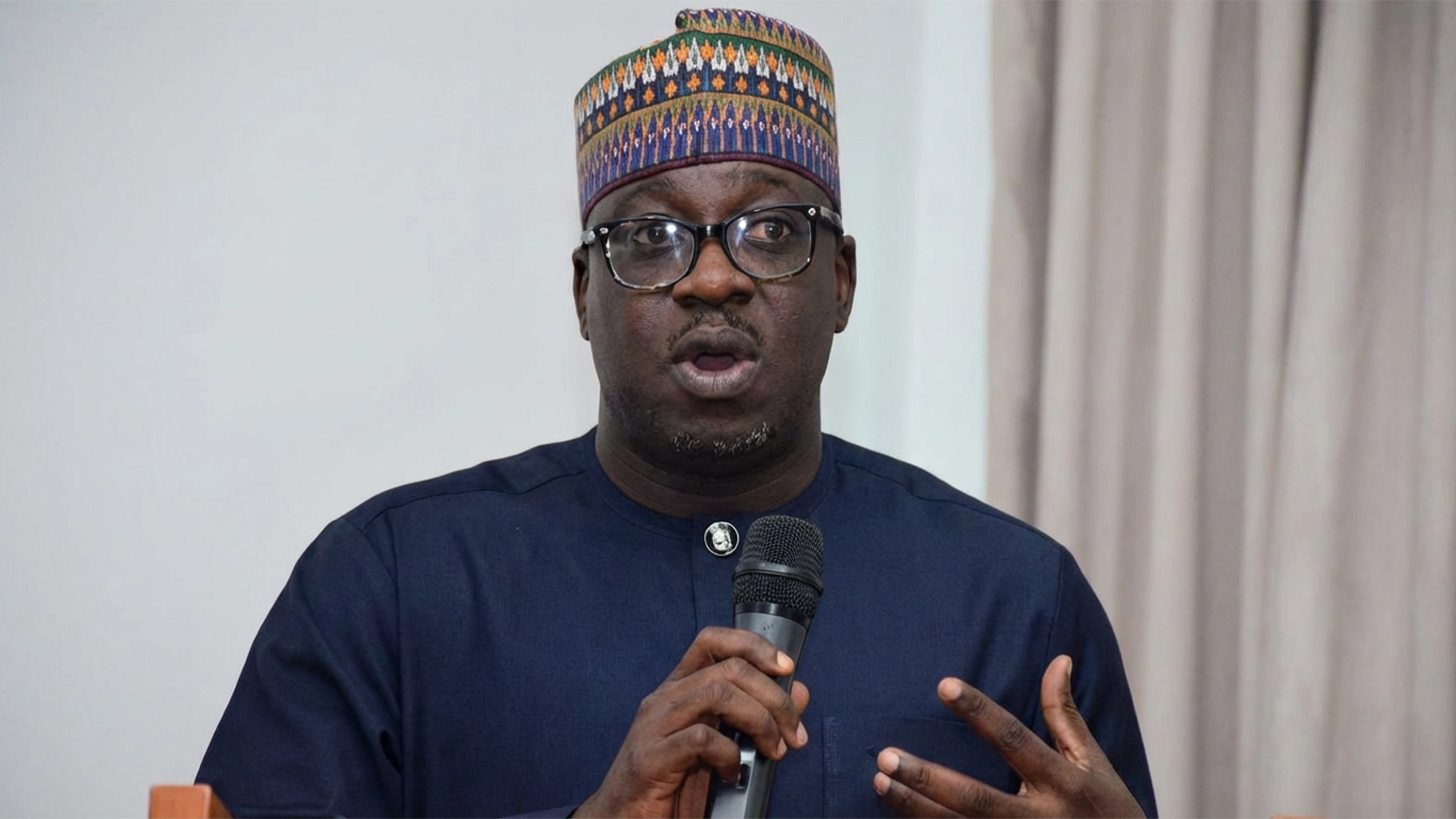
The African Democratic Congress (ADC) has begun its 2027 presidential campaign, outlining a comprehensive framework to address Nigeria's major challenges. According to the party's National Publicity Secretary, Bolaji Abdullahi, the manifesto prioritizes economic recovery, restructuring, security, and institutional reforms. These areas are crucial in tackling issues such as insecurity, rising living costs, limited economic opportunities, and weak adherence to the rule of law.
The ADC's manifesto aims to reduce the cost of governance while ensuring that reforms do not impose additional hardship on citizens. Abdullahi stated that the party will focus on improved public financial management, simpler taxation, greater transparency in spending, and a reduction in non-essential government expenditure. These measures are part of the party's economic strategy to boost food production, address transportation and energy bottlenecks, strengthen industrial production, and create conditions for businesses and technology-driven enterprises to expand.
Meanwhile, Accord Party (AP) chieftain, Gbenga Olawepo-Hashim, has warned about the growing threat of terrorism and banditry in Northern Nigeria. He alleged that over 30,000 lives have been lost to terrorism under the President Bola Tinubu-led administration. According to Hashim, armed groups have established influence over rural communities across 17 of the 19 northern states, exercising parallel authority in some communities, including collecting taxes from residents.
Hashim proposed a national guard to confront insurgency and other major internal security threats. He argued that the force would complement rather than replace the military and police. This proposal comes as the country faces a serious threat to its territorial integrity, with terrorists and bandits posing a significant challenge to the government.
The ADC's economic strategy also aims to move the economy away from dependence on government spending, focusing it on production, investment, and job creation. To achieve this, the party plans to restructure the federation, giving states greater responsibilities and reducing the concentration of powers at the centre. Abdullahi stated that the party would give greater state participation in policing and other areas currently dominated by the federal government.
The ADC's restructuring plans include a multi-level approach to security, involving community intelligence, state policing, federal coordination, and cooperation with neighbouring countries. The party also favours better recruitment, improved training, and equipment for security personnel. These reforms aim to enable states to respond more directly to their economic and security needs while making the federation more productive.
The ADC's proposals come as the country faces significant challenges, including insecurity, economic instability, and weak governance. The party's manifesto provides a framework for addressing these issues, with a focus on economic recovery, restructuring, and institutional reforms. As the 2027 presidential campaign gains momentum, the ADC's plans will likely be closely watched by Nigerians seeking a solution to the country's problems.
Key points
- The ADC's manifesto prioritizes economic recovery, restructuring, security, and institutional reforms to address Nigeria's major challenges.
- Gbenga Olawepo-Hashim warns of the growing threat of terrorism and banditry in Northern Nigeria, proposing a national guard to confront insurgency.
- The ADC plans to restructure the federation, giving states greater responsibilities and reducing the concentration of powers at the centre.