The African Democratic Congress (ADC) Presidential Campaign Council has called on President Bola Tinubu to provide a detailed account of the borrowings incurred under his administration. This comes as Nigeria's public debt has sharply risen to ₦166.79 trillion as of June 30, 2026, according to the Debt Management Office (DMO). The DMO published the latest debt figure on September 25. The ADC campaign is demanding a detailed reconciliation of the debt figure.
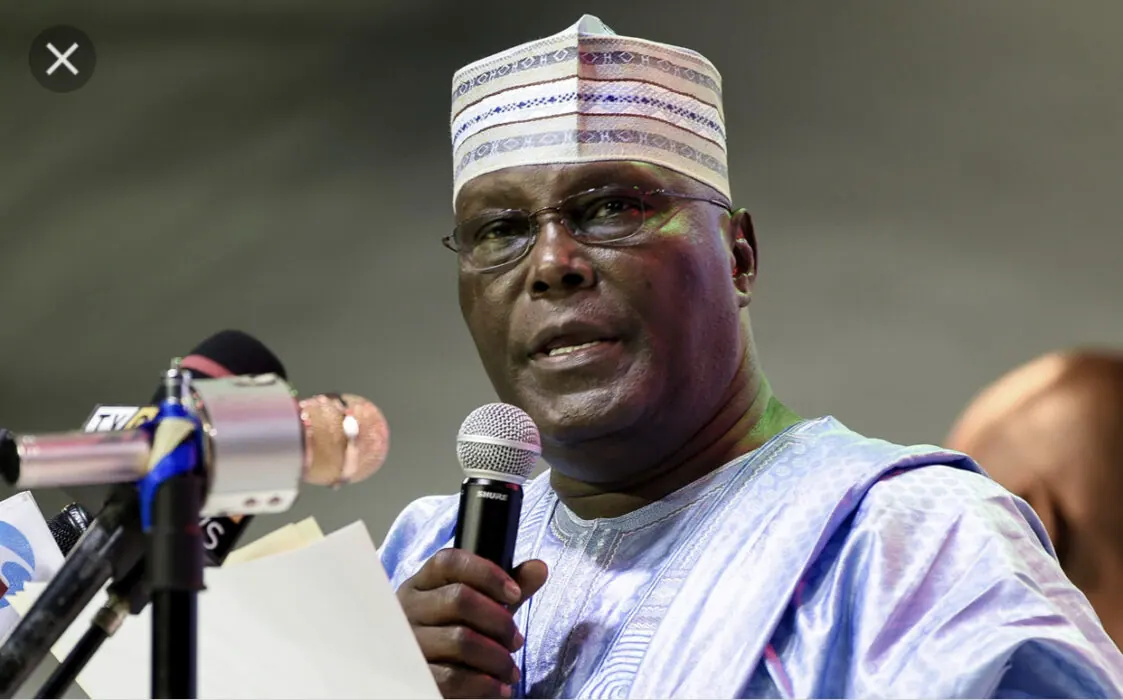
Former Vice President Atiku Abubakar, through his Director of Strategic Communications, Phrank Shaibu, described the Tinubu administration as one of the most ruinous governments Nigeria has experienced. Nigerians have endured higher living costs while government borrowing has continued to increase. The ADC campaign contrasted the latest debt figure with Nigeria's ₦49.85 trillion total public debt at the end of March 2023.
Atiku questioned the relationship between rising government revenues, economic reforms, and household living standards. He argued that the removal of fuel subsidies, exchange-rate reforms, and increases in the cost of electricity, transportation, food, and other necessities had placed additional pressure on households. The ADC campaign said the debt figure should be accompanied by a detailed reconciliation showing existing liabilities.
The International Monetary Fund (IMF) has acknowledged that conditions remain difficult for many Nigerians. In its June 2026 Article IV consultation, the IMF said reforms implemented over the previous three years had produced improved macroeconomic outcomes and strengthened Nigeria's resilience. However, it estimated poverty at 63 percent under Nigeria's national poverty line.
The IMF also warned that higher food and transport costs could weigh on economic activity and aggravate poverty and food insecurity. An estimated 27 million Nigerians experienced food insecurity in late 2025. Atiku said these pressures demonstrated a gap between macroeconomic indicators and the experience of ordinary Nigerians.
The ADC campaign also raised concerns about the proportion of government revenue being absorbed by debt servicing. BudgIT reported that debt service reached ₦12.52 trillion against revenue of ₦18.63 trillion by the third quarter of 2025, representing 67.2 percent of the revenue figure. This has significant implications for the country's fiscal sustainability.
The 2026 budget signed by President Tinubu provides for ₦68.32 trillion in total expenditure. Atiku said that an economy cannot be declared successful simply because government revenue is rising, reserves are improving, or official statistics look better while the purchasing power of ordinary citizens is being destroyed. The ADC campaign is demanding transparency and accountability in the management of Nigeria's public debt.
Key points
- Nigeria's public debt has risen to ₦166.79 trillion under Tinubu's administration.
- The ADC campaign is demanding a detailed reconciliation of the debt figure.
- The IMF has acknowledged that conditions remain difficult for many Nigerians despite improved macroeconomic outcomes.