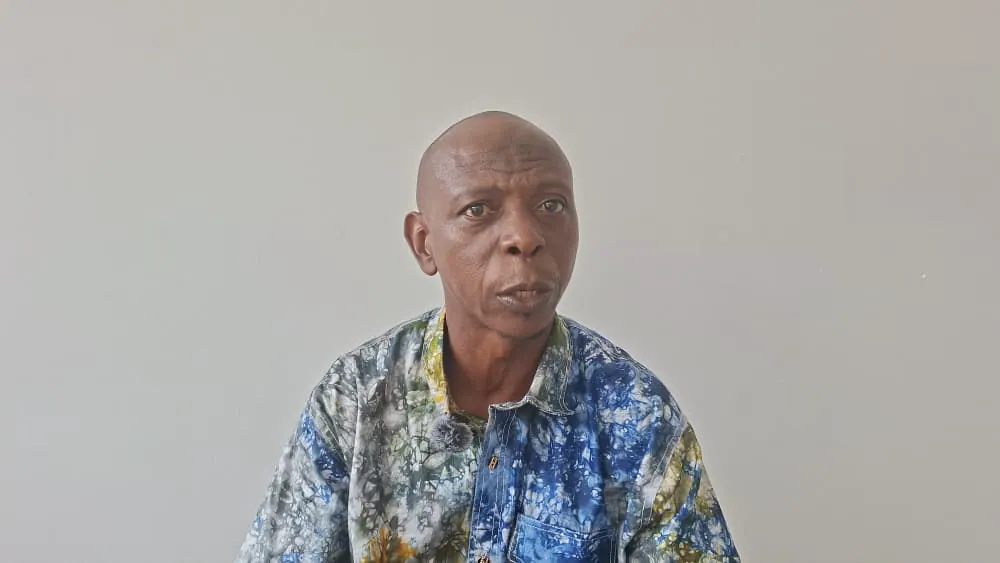
The recent ban on plastic bags in Guinea has elicited mixed reactions from the public. Mamadou Kaly Diallo, a human rights activist and coordinator of the NGO Démocratie Sans Violence, has expressed support for the measure to combat plastic pollution, but emphasized the need for prior planning to minimize its impact on vulnerable populations. Diallo stressed that protecting the environment is an urgent matter that can no longer be ignored.
According to Diallo, everyone has the right to a healthy environment, and the issue of climate change is a pressing global concern that poses a threat to life on Earth. He believes that taking measures to ban plastics, which contribute to environmental degradation, is a step in the right direction. However, he suggested that the implementation of the ban should have been preceded by a transition period to allow for the introduction of biodegradable alternatives.
Diallo proposed that authorities should have negotiated with industries to produce biodegradable packaging, made these alternatives available to the public, and then gradually phased out plastic bags. Unfortunately, he noted that the ban was introduced abruptly, without sufficient consideration for alternative solutions. This sudden move has created problems, particularly with regards to access to affordable drinking water.
The activist pointed out that plastic bags of water were a relatively affordable solution for many citizens, while the available alternatives are often more expensive. He suggested that biodegradable packaging containing the same quantity of water could be produced and sold at an accessible price. However, the current situation has led to a problem of accessibility, especially for low-income populations.
Diallo also highlighted the challenges faced by schools since the start of the academic year. After visiting several schools, he observed that authorities are struggling to provide access to water for a large number of students. While some schools have boreholes that supply water, Diallo noted that this is often insufficient to meet the needs of hundreds of students.
The activist emphasized that his position is not opposed to the fight against plastic bags, but rather seeks to ensure that environmental protection is accompanied by measures that allow citizens to adapt gradually. He recommended a moratorium period to enable producers and authorities to circulate biodegradable packaging in sufficient quantities and at affordable prices.
Diallo called for reinforced control of new water distribution channels and expressed concern about the reuse of certain containers without guarantees on treatment and hygiene conditions. He proposed establishing a control, monitoring, and surveillance mechanism, and even a dedicated brigade to oversee this.
Key points
- The ban on plastic bags in Guinea has sparked debate, with activist Kaly Diallo calling for prior measures to mitigate its impact on low-income populations.
- Diallo proposed a transition period to introduce biodegradable alternatives before phasing out plastic bags.
- The activist recommended a moratorium period to enable producers and authorities to circulate biodegradable packaging in sufficient quantities and at affordable prices.