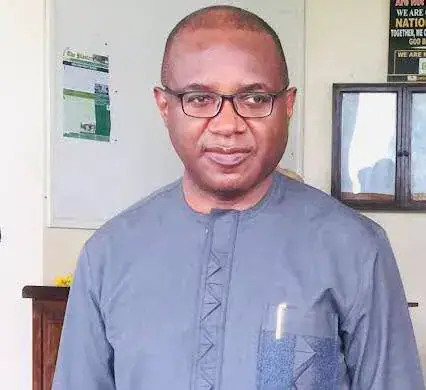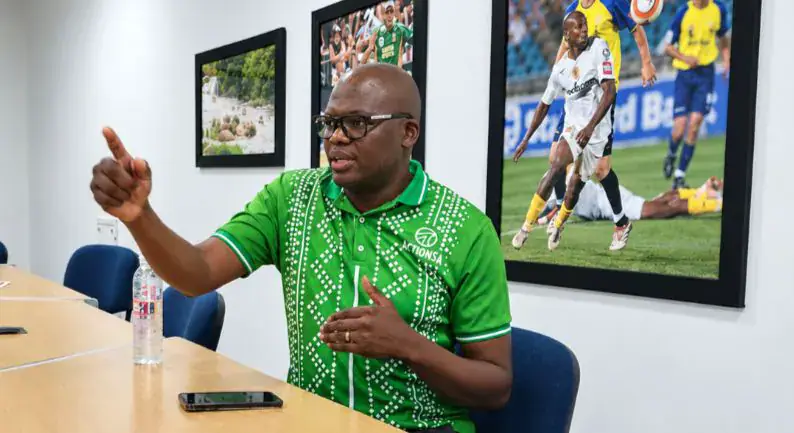
ActionSA's KwaZulu-Natal leader, Zwakele Mncwango, has questioned the credibility of pre-election opinion polls, accusing some pollsters of failing to accurately predict the party's performance in the recent local government elections. Mncwango expressed skepticism about the polls, citing that not a single poll correctly predicted ActionSA's growth. The party has more than doubled its national vote share since the 2021 municipal elections, recording an increase of approximately 3.25 percentage points.
The increase in ActionSA's vote share exceeded the growth suggested by the final Ipsos pre-election poll, which placed ActionSA's national support at approximately 4%. This strong performance has positioned ActionSA as a potentially influential player in coalition negotiations over the future governance of Johannesburg, Tshwane, Ekurhuleni, and possibly eThekwini. In Johannesburg, the battle for political control saw the DA's Helen Zille and ActionSA leader Herman Mashaba emerge as prominent mayoral contenders.
According to provisional results, the DA has secured 35.98% of the Johannesburg vote, compared with ActionSA's 16.2%. Despite not securing the outright majority required to govern alone, Zille has indicated that her party would be open to working with ActionSA. Mashaba had previously ruled out entering into a coalition with the DA, but that position now appears to have softened. Mncwango stated that ActionSA is open to talks with any party and will discuss terms once they sit down with them.
Mncwango remained upbeat about ActionSA's electoral performance, insisting that the party's steady growth demonstrates its increasing political support. He expressed no disappointment, stating that the party has more than doubled its support and did not decline, showing consistency in growth. This growth is seen as a positive development for the party as coalition negotiations begin in several hung municipalities.
The party's electoral gains come as coalition negotiations begin in several hung municipalities, where the balance of power could ultimately depend on agreements between parties that fiercely contested the elections. For ActionSA, the coming days will test whether its increased electoral support can translate into a meaningful role in governing some of the country's largest metropolitan municipalities.
Mncwango criticized some media houses for relying on the DA's own polls to predict election outcomes, questioning the journalism practices involved. He emphasized that ActionSA's growth is a testament to its consistent efforts, despite challenges from biased media coverage. The party's performance has sent a strong signal ahead of coalition talks.
As coalition negotiations progress, ActionSA's role will be crucial in determining the governance of key metropolitan municipalities. With its increased electoral support, the party is poised to play a significant role in shaping the future of Johannesburg, Tshwane, Ekurhuleni, and possibly eThekwini. The outcome of these negotiations will be closely watched as they may have far-reaching implications for South Africa's local government landscape.
Key points
- ActionSA has more than doubled its national vote share since the 2021 municipal elections.
- The party's stronger-than-expected performance has positioned it as a potentially influential player in coalition negotiations.
- ActionSA's leader, Zwakele Mncwango, has questioned the credibility of pre-election opinion polls.