The construction of Ghana's Accra–Kumasi Expressway, a flagship project under the government's Big Push Infrastructure Programme, is transforming one of the country's most important transport corridors. The 198.7-kilometre expressway, which started from Ablekuma in Accra and will terminate at Sawuah, linking with the Lake Bosomtwe road in Ashanti, is expected to improve connectivity between Accra and Kumasi and reduce travelling time to approximately two hours.
However, the project has come at a cost to communities along the route, with farms being cleared to make way for the expressway. Affected farmers, like Kofi, are pleading for compensation, saying their livelihoods have been disrupted. "A lot of our properties have been destroyed... We know the road will bring benefits, not only to us but to Ghana as a whole. But our plea is that the government should also take care of our entitlements, especially the compensation due us," he said.
Despite the challenges, many affected residents understand the wider importance of the project and are hopeful that it will bring economic benefits to their communities. Yaa Pokuaa, a farmer, stressed that "they have destroyed our livelihood to pave the way for the road project, so we want the government to see to the completion of the project so that our sacrifice will not be in vain." The project has also sparked optimism among residents, who believe it will create jobs and stimulate local economies.
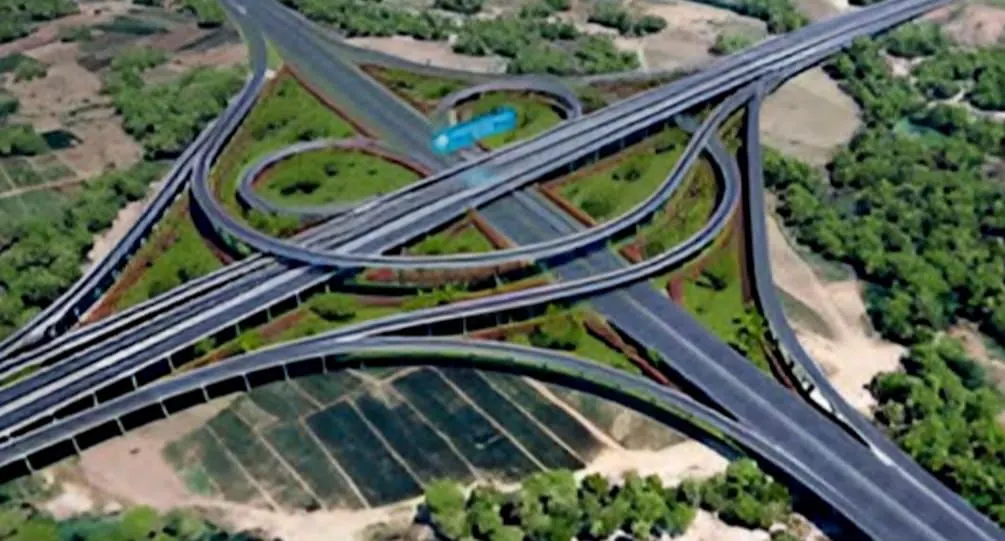
For communities that have struggled with poor accessibility, the expressway is being seen as a potential economic lifeline. Kwame Borga, a resident of Kwaso, said that "previously, this community was not easily accessible, but this expressway project will open it up and create opportunities for the youth to find something to do." The expressway's design includes a 23.1-kilometre four-lane dual-carriageway section and eight interchanges, which will improve connectivity and facilitate the movement of people and goods.
Local authorities and traditional leaders are already looking beyond the construction phase to what the road could mean for the local economy. Seth Obeng Yamoah, Assembly member for Kwaso-Denteso electoral area, is optimistic that jobs will be created in the community when the project is completed. "With the bridge at Kwaso, all the traffic will pass through the area, and that will bring more trading and other economic activities. It means the local economy is going to receive a major boost."
The Chief of Kwaso, Nana Osei Fosu Adutwum, believes the project could attract major businesses to the area, creating new opportunities for the people. He also sees the project as the revival of a long-standing vision for an improved Accra–Kumasi road connection, which was first proposed in 1969 by then Prime Minister, Kofi Abrefa Busia. President John Dramani Mahama has secured financing for the project, which he says will shorten the journey between Ghana's two major cities to about two hours.
When completed, the Accra–Kumasi Expressway is expected to bring communities along the route closer to major markets, improve the movement of people and goods, and unlock new economic opportunities. The project's completion is also expected to bring prosperity to the communities, and motorists and passengers are looking forward to the reduced travelling time.
Key points
- The Accra–Kumasi Expressway is expected to reduce travelling time between Accra and Kumasi to approximately two hours.
- The project has disrupted the livelihoods of farmers along the route, who are pleading for compensation.
- The expressway is expected to create jobs and stimulate local economies, bringing economic benefits to communities along the route.