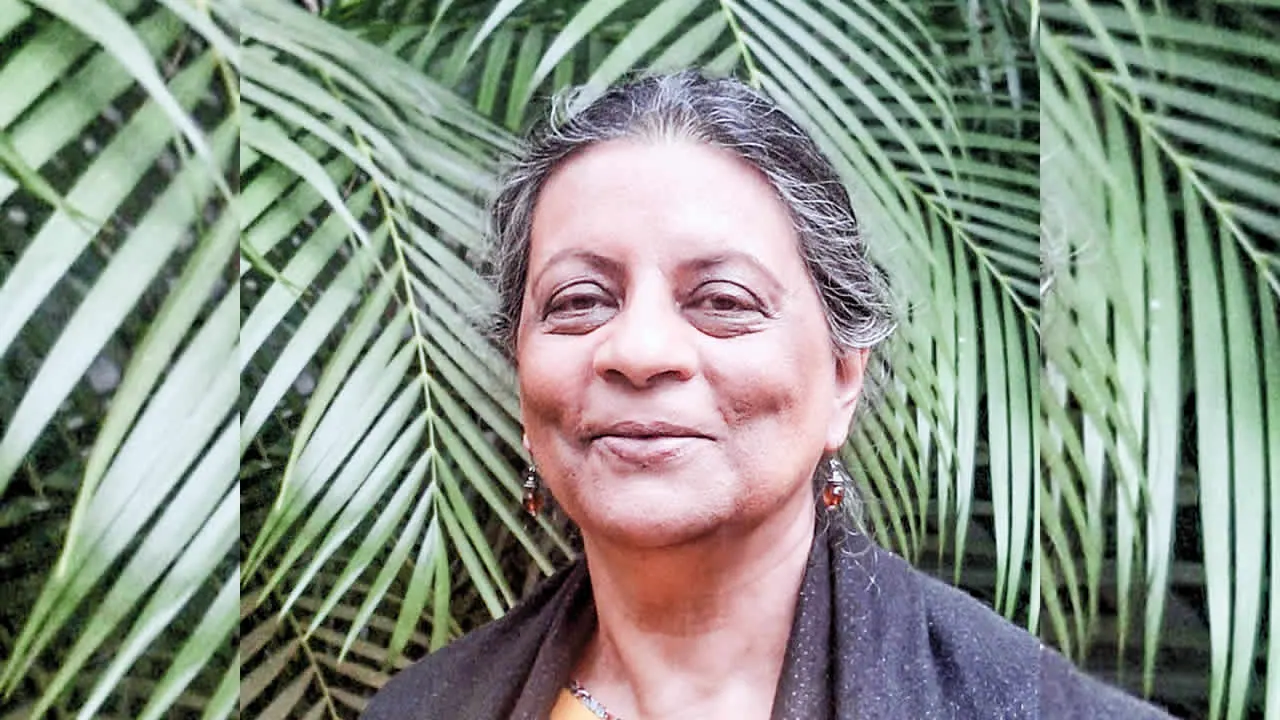
Environmental activist Adi Teelock has emphasized the need for equal access to clean water for all citizens in Mauritius, stating that it is unacceptable for some neighborhoods to have an abundant supply while others face water shortages. According to Teelock, the country's water network reaches 95% of the population, but over 20% of the population suffers from intermittent water supply during normal conditions, and up to 75% during the dry season.
Teelock argues that the current situation is a result of historical water rights inherited from the colonial era, which prioritize the interests of a few privileged groups. She believes that it is high time for Mauritius to recognize the economic and social rights of its citizens, including the right to access essential resources like clean water. This, she asserts, is crucial for ensuring a dignified life for all individuals.
The effects of climate change are being felt in Mauritius, with longer droughts and irregular rainfall patterns. Teelock stresses that the country needs to adapt to this new reality by taking urgent measures, including planning and preparation during the rainy season to mitigate the impact of dry periods. She criticizes the authorities for being in "fire-fighting" mode during dry periods, reacting to the crisis rather than taking proactive steps.
Teelock questions the prioritization of economic development projects, such as luxury tourism and real estate, which are significant consumers of water. She argues that proposing data centers as a pillar of economic development is "insane" given the country's water scarcity challenges. Instead, she advocates for a re-evaluation of national priorities to ensure that water conservation and sustainability are at the forefront of development planning.
The issue of water losses in the distribution network is also a major concern, with Teelock suggesting that modernizing existing infrastructure and reducing losses should be a priority. She estimates that Rs 37 billion is needed to address the issue of water losses, which could be better allocated to support sustainable development projects.
To increase the country's water reserves, Teelock suggests exploring solutions such as mini-dams and off-river reservoirs in regions experiencing high water stress. She also emphasizes the importance of valuing available resources, including rainwater harvesting. By adopting a more sustainable approach to water management, Mauritius can reduce its reliance on external sources and ensure a more equitable distribution of water resources.
Ultimately, Teelock believes that everyone must take responsibility for addressing the country's water challenges. By working together, Mauritius can develop a comprehensive strategy to ensure that all citizens have access to clean water, regardless of their location or socio-economic status. This, she argues, is essential for building a more equitable and sustainable society.
Key points
- Environmental activist Adi Teelock calls for equal access to clean water for all citizens in Mauritius
- The country's water network reaches 95% of the population, but over 20% face intermittent water supply
- Teelock advocates for a re-evaluation of national priorities to ensure water conservation and sustainability