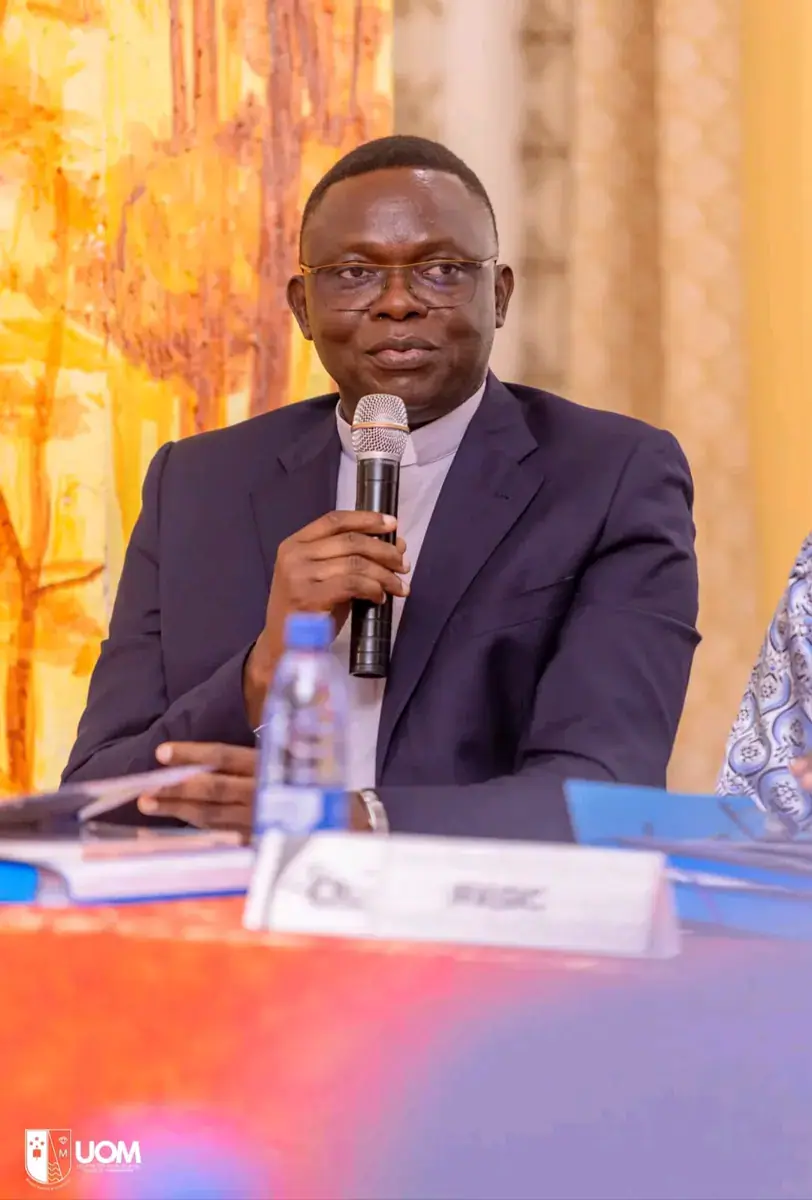
The 6th Interdisciplinary Colloquium of Ngandajika opened on October 29 in the territory of Ngandajika, approximately 90 kilometers from Mbuji-Mayi, in the province of Lomami. The event, themed "What State for a New Congo? Milestones for the Fourth Republic," gathers around 20 academics and experts from several provinces to reflect on the refoundation of the Congolese state. The discussions focus on governance and development in areas such as public administration, justice, health, education, and economy.
The objective of the colloquium is to formulate proposals that can contribute to the construction of more effective institutions and improved governance in the Democratic Republic of Congo. Professor Mwayila Tshiyemba, dean of the faculty of law at the University of Kisangani, emphasized that the refoundation of the state is not solely the responsibility of political leaders. He called on Congolese intellectuals to reflect on mechanisms that would enable the country to better assume its destiny and face threats to its unity.
According to Professor Tshiyemba, the refoundation of the state requires a better consideration of the diversity of peoples that make up the Congolese nation in the country's institutional organization. One proposed solution is the reform of the Senate to make it a chamber that more effectively represents the peoples and territories of Congo. The professor also suggested that customary authorities could play a significant role in the anchoring of the state and the defense of local community interests.
Customary leaders are often seen as actors of stability and cohesion within their respective territories. The sixth edition of the Ngandajika Interdisciplinary Colloquium coincides with the celebration of the 20th anniversary of the Ditunga project, an organization engaged in development actions in favor of the Ngandajika territory. The organizers hope that the discussions will enrich the national debate on institutional reforms and the future of the Congolese state.
The participants examine several issues related to governance and development in the country, including the need for more effective institutions and improved governance. The colloquium aims to provide a platform for experts to share their perspectives and experiences, with a view to contributing to the construction of a more stable and prosperous Congo. The discussions also focus on the role of intellectuals and experts in shaping the country's future.
The event brings together academics and experts from various provinces, providing an opportunity for them to engage in discussions and share their perspectives on the future of the Congolese state. The organizers expect the outcome of the colloquium to contribute to the national debate on institutional reforms and the future of the state. The 20th anniversary of the Ditunga project is also being celebrated on the sidelines of the event.
The Ngandajika Interdisciplinary Colloquium is an annual event that aims to promote discussion and reflection on key issues affecting the Democratic Republic of Congo. The 6th edition of the colloquium demonstrates the continued commitment of academics and experts to engage in discussions on the country's future and to contribute to the construction of a more stable and prosperous Congo.
Key points
- The colloquium aims to formulate proposals to contribute to the construction of more effective institutions and improved governance in the Democratic Republic of Congo.