A recent column by Anthony Butler in The Rand Daily Mail has sparked a heated debate on academic freedom and the right to think in South Africa. Butler's column was a response to a report by the Thabo Mbeki Foundation titled "The United States of America and the Future of the Afrikaners in South Africa". The report argues that the quarrel between Pretoria and Washington is best understood as a collision of two unresolved national questions. Butler dismissed the report, suggesting that it veers alarmingly in an Mbekian direction.
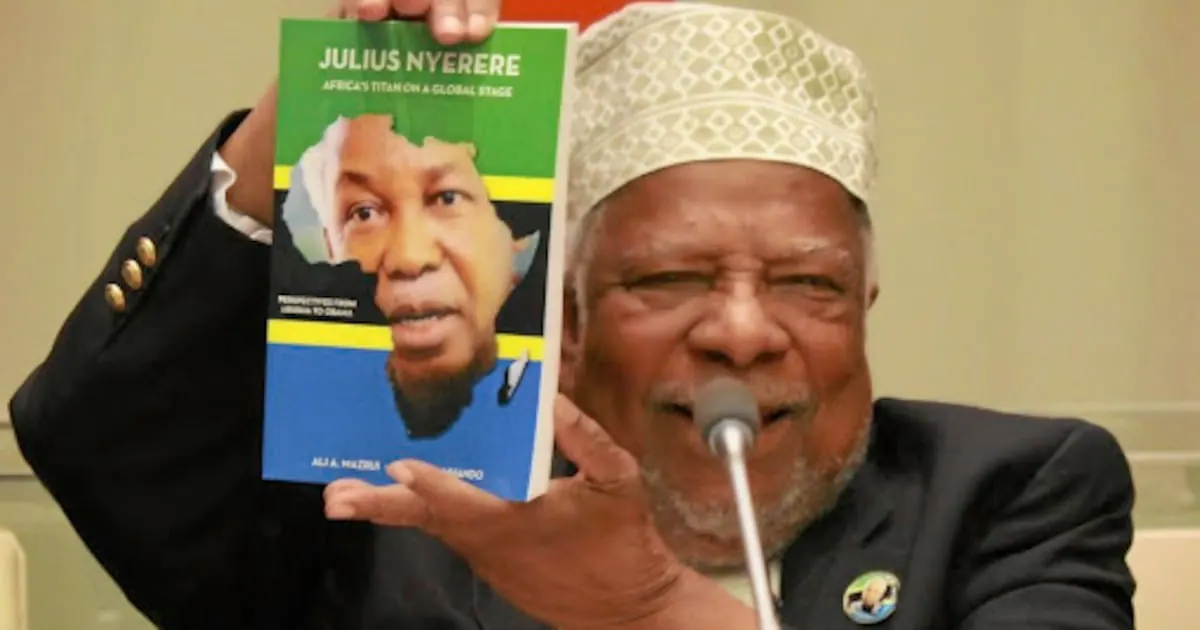
The report was authored by the Thabo Mbeki Foundation and draws on evidence from Frans Cronje and Hermann Giliomee to show that Afrikaner living standards rose faster after 1994 than in any comparable period since 1945. Butler grants this point but waves it away, stating that "we all knew that already". This dismissal has been met with criticism, with many arguing that Butler's response is an example of the second tyranny identified by Kenyan scholar Ali A Mazrui in his 1975 essay "Academic Freedom in Africa: The Dual Tyranny".
Mazrui's essay identified two tyrannies that threaten academic freedom in Africa: the state and the dependence of African universities on the West for their canon, questions, and sense of which ideas deserve to be taken seriously. Mazrui argued that African universities need to transcend external dependency and domestic pressure to think their own thoughts, in their own vocabulary, about their own condition. The Thabo Mbeki Foundation's report is an attempt to do just that, and Butler's dismissal of it is seen as an example of the second tyranny.
Butler has spent a distinguished career exercising exactly the freedom he would ration to others. He has written a biography of Cyril Ramaphosa, a book on the idea of the ANC, and a weekly column in which he speculates, interprets, provokes, and is occasionally wrong. However, his response to the Thabo Mbeki Foundation's report is seen as an attempt to contain and dismiss the ideas presented, rather than engaging with them in a constructive manner.
The Thabo Mbeki Foundation is building the Thabo Mbeki Presidential Centre in Riviera, Johannesburg, which will hold the archives of political, economic, and cultural leaders from across the continent and the diaspora. The centre will make these archives available to serious readers and ordinary people alike, and will also run exhibitions and public programmes open to anyone who walks in. This is an attempt to promote academic freedom and the right to think, and to create a space where people can engage and argue with the past, present, and future on their own terms.
Academic freedom was never meant to be the private comfort of academics, but rather the condition under which a society could think. A society permitted to think only what its professors have approved is no freer than one permitted to think only what its presidents allow. The debate sparked by Butler's column highlights the need for a nuanced understanding of academic freedom and the right to think in South Africa.
The Thabo Mbeki Presidential Centre is set to open in 2028 and will provide a space for people to engage with the archives and ideas of African leaders and thinkers. Butler will be welcome in the reading room, and the centre will provide a desk for him and others to engage with the material. The centre's goal is to promote a culture of critical thinking and engagement, and to create a space where people can think their own thoughts, in their own vocabulary, about their own condition.
Key points
- Academic freedom is essential for a society to think and engage with different ideas and perspectives.
- The dependence of African universities on the West for their canon, questions, and sense of which ideas deserve to be taken seriously is a threat to academic freedom.
- The Thabo Mbeki Presidential Centre is an attempt to promote academic freedom and the right to think in South Africa.