In today's rapidly changing world, where artificial intelligence is transforming work and geopolitics is altering markets, the quality of leadership has become more crucial than ever. According to TEXEM, better-informed leaders make better decisions, leading to stronger institutions and progress. This philosophy is at the heart of TEXEM's mission to help leaders convert insight into action and responsibility into results. With over 4,000 leaders globally inspired through its executive development programmes, TEXEM's work has far-reaching implications.
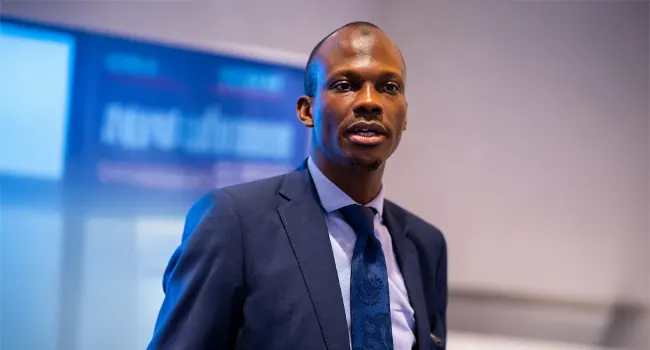
Dr. Alim Abubakre has been awarded the Academic Fellowship of the Chartered Institute of Personnel and Development (CIPD) following a rigorous assessment against the CIPD's Academic membership criteria. This prestigious recognition allows him to use the designatory letters Academic FCIPD after his name. The timing of this award is significant, as organisations now operate in complex networks of stakeholders, including employees, investors, regulators, governments, and international partners. Technology is accelerating decision cycles, and geopolitical tensions are reshaping investment, trade, and supply chains.
The CIPD recognition is a testament to Dr. Abubakre's expertise in leadership development, which is critical in today's polycrisis environment. Economic pressure, political uncertainty, technological disruption, and artificial intelligence are interconnected challenges that leaders must navigate. TEXEM's approach to executive learning emphasizes the importance of helping leaders make difficult choices under pressure, interpret policy, allocate resources, and set standards. By doing so, TEXEM aims to contribute to good governance and nation-building.
The impact of TEXEM's work extends beyond individual leaders to institutions and society as a whole. One improved decision at the board or executive level can have a ripple effect on employees, customers, investors, communities, and public institutions. Stronger institutions can improve confidence, opportunity, and performance, ultimately shaping the quality of governance and nation-building. As such, executive learning should be seen as an essential component of institutional development.
Effective leadership in today's complex environment requires a multidisciplinary approach. Strategy without people can fail in execution, technology without governance can create new risks, and capital without trust can struggle to create durable value. Public policy without institutional capability can remain an aspiration rather than an outcome. TEXEM's work addresses these challenges by emphasizing the importance of people, governance, and trust in leadership development.
The recognition of Dr. Abubakre's expertise through the CIPD Academic Fellowship is a timely reminder of the importance of ongoing learning and professional development for leaders. The strongest leaders do not treat learning as something completed earlier in their careers; instead, they continually test assumptions, expose themselves to new evidence, and build their capacity to make difficult choices under pressure. This approach enables them to stay ahead of the curve and navigate the complexities of today's fast-changing world.
As the world continues to evolve, the demand for effective leadership will only increase. With its focus on helping leaders convert insight into action and responsibility into results, TEXEM is well-positioned to support the development of stronger institutions and better governance. The CIPD recognition of Dr. Alim Abubakre's expertise is a significant milestone in this journey, and it underscores the importance of executive learning in shaping the quality of leadership and institutions.
Key points
- Dr. Alim Abubakre receives Academic Fellowship of the Chartered Institute of Personnel and Development.
- TEXEM's work emphasizes the importance of leadership development in creating stronger institutions and better governance.
- Effective leadership in today's complex environment requires a multidisciplinary approach, including people, governance, and trust.