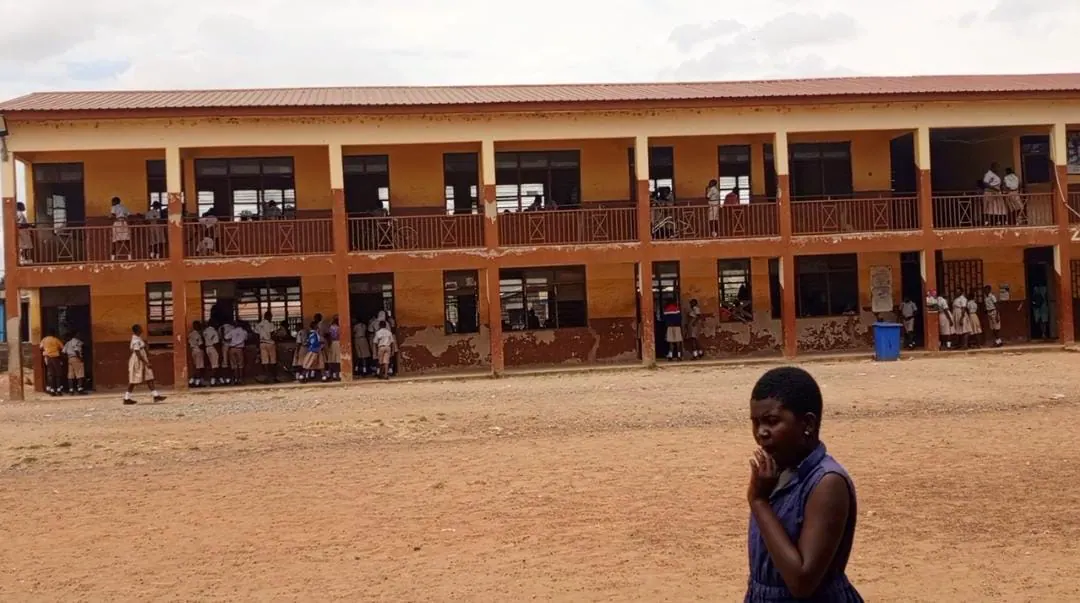
Academic activities at the Zenu Kpone-Katamanso Municipal Assembly (KKMA) Primary School No. 4 in Ghana have been severely disrupted due to a nationwide strike by pre-tertiary teacher unions. The strike, which began on Friday, September 25, 2026, was declared by the Ghana National Association of Teachers (GNAT), National Association of Graduate Teachers (NAGRAT), and Pre-Tertiary Teachers Association of Ghana (PRETAG). These unions are protesting over unresolved concerns related to teachers' conditions of service.
The strike action follows the expiration of a September 24 deadline, after which the unions declared the industrial action due to the government's failure to address their concerns. On Tuesday, September 29, 2026, a visit to the Zenu KKMA Primary School No. 4 by the Ghana News Agency (GNA) observed that classrooms were largely unattended. Teaching and learning activities were suspended as teachers stayed away from work, significantly affecting the academic calendar.
Pupils who had reported to school were seen in groups playing in the corridors and compound of the school without any supervision. This situation highlights the immediate impact of the strike on the daily routine and educational activities of the students. The unions' decision to go on strike underscores the urgency of addressing teachers' concerns to prevent further disruptions to the academic year.
The Ghana National Association of Teachers (GNAT), National Association of Graduate Teachers (NAGRAT), and Pre-Tertiary Teachers Association of Ghana (PRETAG) have been vocal about their demands for improved conditions of service. These demands include better remuneration, enhanced working conditions, and other welfare issues that have been pending for some time. The unions are pressing for a resolution to these issues to ensure a stable academic environment.
The strike has not only affected the Zenu KKMA Primary School No. 4 but is a nationwide action involving schools across Ghana. This widespread participation by teachers indicates a unified stand on their demands and highlights the critical nature of their concerns. The government is expected to engage with the unions to find a resolution that addresses the teachers' grievances.
Educational activities in Ghana have often been disrupted by industrial actions by teachers and other educational stakeholders. These disruptions have significant implications for the country's educational outcomes and the overall development of its human resources. Stakeholders, including parents, students, and the broader community, are keenly watching the situation, hoping for a swift resolution.
The situation at the Zenu KKMA Primary School No. 4 and other schools across Ghana remains fluid as the strike continues. Efforts to resolve the impasse are expected to intensify, with negotiations between the government and the teacher unions being closely monitored. The outcome of these negotiations will determine the next steps for both parties and the future of education in the affected regions.
Key points
- The nationwide strike by pre-tertiary teacher unions in Ghana has disrupted academic activities at schools, including the Zenu Kpone-Katamanso Municipal Assembly (KKMA) Primary School No. 4.
- The strike, declared by GNAT, NAGRAT, and PRETAG, is over unresolved concerns relating to teachers' conditions of service.
- The industrial action has resulted in classrooms being unattended and learning activities being suspended.