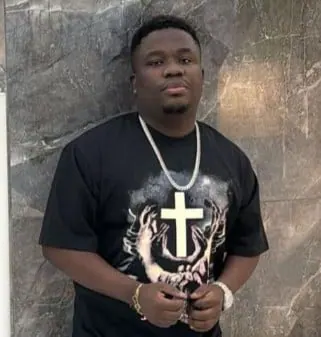
A recent claim that Ghanaian socialite Frederick Kumi, popularly known as Abu Trica, has handed US investigators the names of eight people allegedly linked to laundering proceeds of a multimillion-dollar romance scam has sparked intense debate in Ghana. The claim, reported by The Daily Gist, suggests that Kumi has given investigators the names of individuals alleged to have laundered proceeds of the scam. However, the authenticity of this claim remains unverified, and it is being disputed by some.
According to online reports, the list of names allegedly includes a Member of Parliament from the Central Region, although no official source has confirmed this. The eight individuals have not been publicly identified, and it is unclear what actions, if any, will be taken against them. A close friend of Abu Trica, David Quarcoo, has dismissed the reports as false, stating that Kumi laughed off the claims during a video call.
The underlying case against Kumi involves a US federal grand jury indictment alleging that he was part of a network that targeted elderly victims in romance scams across the United States since 2023. Following his extradition, the US Attorney's Office for the Northern District of Ohio alleged that Kumi and co-defendant Daniel Yussif led a network that used AI-driven video tools and fake female personas to defraud more than 80 elderly Americans of over $8 million.
Kumi, also known as Emmanuel Kojo Baah Obeng, was arrested in Ghana on December 11, 2025, and faces charges of conspiracy to commit wire fraud and conspiracy to commit money laundering. If convicted, he faces up to 20 years on each count. Prosecutors are also seeking forfeiture of assets allegedly bought with the proceeds of the scam.
A wider investigation by the Department of Justice, described in a June 2026 statement, involves at least five Ghanaians accused of defrauding over 130 victims of more than $15 million. Three suspects are detained in the US, while Kumi and a fifth suspect are awaiting extradition. This broader investigation lends weight to claims about further names being implicated.
The case has significant implications for Ghana, as it tests how far cybercrime networks reach into finance and politics, and how effectively Accra and Washington cooperate against them. Until a court record or official statement confirms who, if anyone, Kumi has named, the claims about the eight names should be treated with caution.
The development has sparked concerns about the extent of cybercrime in Ghana and the need for effective cooperation between the Ghanaian and US authorities to combat it. Key issues, including the authenticity of the claims and potential implications for those allegedly named, remain to be resolved.
Key points
- Abu Trica faces up to 40 years in prison if convicted of conspiracy to commit wire fraud and conspiracy to commit money laundering.
- The US Department of Justice is investigating a broader network involving at least five Ghanaians accused of defrauding over 130 victims of more than $15 million.
- The case tests Ghanaian and US cooperation in combating cybercrime networks that target victims in the US.