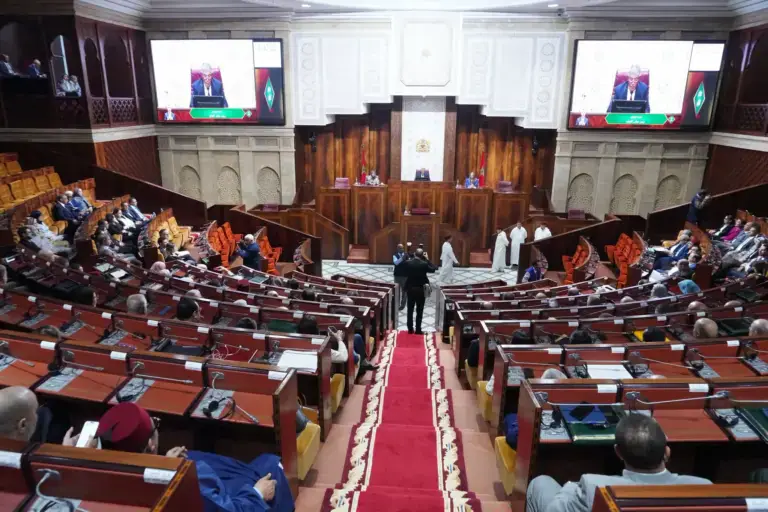
The prolonged absence of several members from the majority party in Morocco's House of Representatives has sparked concern within the government majority. This situation poses difficulties in ensuring sufficient numerical presence during legislative sessions that require mobilization of deputies and voting on texts and credits. The issue is no longer just about the regularity of parliamentary work but also affects the majority's ability to manage its numerical commitments within parliament.
According to informed sources, the discussion around this phenomenon has shifted towards finding more stringent mechanisms to guarantee deputies' attendance. Some legislative sessions have shown that the absence of several members can put parliamentary groups in embarrassing situations, especially when voting results are close. This situation has brought attention back to the responsibility of group leaders in monitoring their members' attendance and coordinating between them.
Recent voting results have revealed the limited margin of maneuver available to the majority when not all its members are present. The voting on the subsidiary budget for the Ministry of Justice, which was decided by a single vote, is a case in point. Such incidents highlight that absence is no longer a formal or administrative issue but can have direct repercussions on the outcomes of legislative work and numerical balances within the Council.
In light of these developments, attention is turning to the Bureau of the House of Representatives and potential decisions to enhance discipline within the institution. There is talk of measures including deductions from the financial compensations of absentees and the reading of their names during public sessions. The primary bet is on transitioning from warning absences to establishing operational accountability mechanisms.
These mechanisms aim to ensure respect for the representative responsibility of deputies and prevent absences from affecting the normal functioning of parliamentary work. The situation has also underscored the importance of group leaders in ensuring their members' attendance and commitment to parliamentary responsibilities. This development comes at a critical time when the Moroccan parliament is engaged in discussing and voting on key legislative texts.
The challenge for the parliament is to strike a balance between the need for effective legislative work and the responsibility of ensuring that all members are held accountable for their attendance and participation. This situation requires careful management to prevent disruptions and ensure that the parliament can fulfill its constitutional duties without hindrance.
As the Moroccan parliament navigates these challenges, it is to be seen how the proposed measures will be implemented and their impact on the attendance and participation of deputies in parliamentary sessions. The effectiveness of these measures in addressing the issue of absenteeism and enhancing the discipline within the institution will be closely watched by political observers and the public.
Key points
- The absence of majority deputies disrupts voting calculations in the Moroccan parliament, affecting its ability to manage numerical commitments and pass legislation.