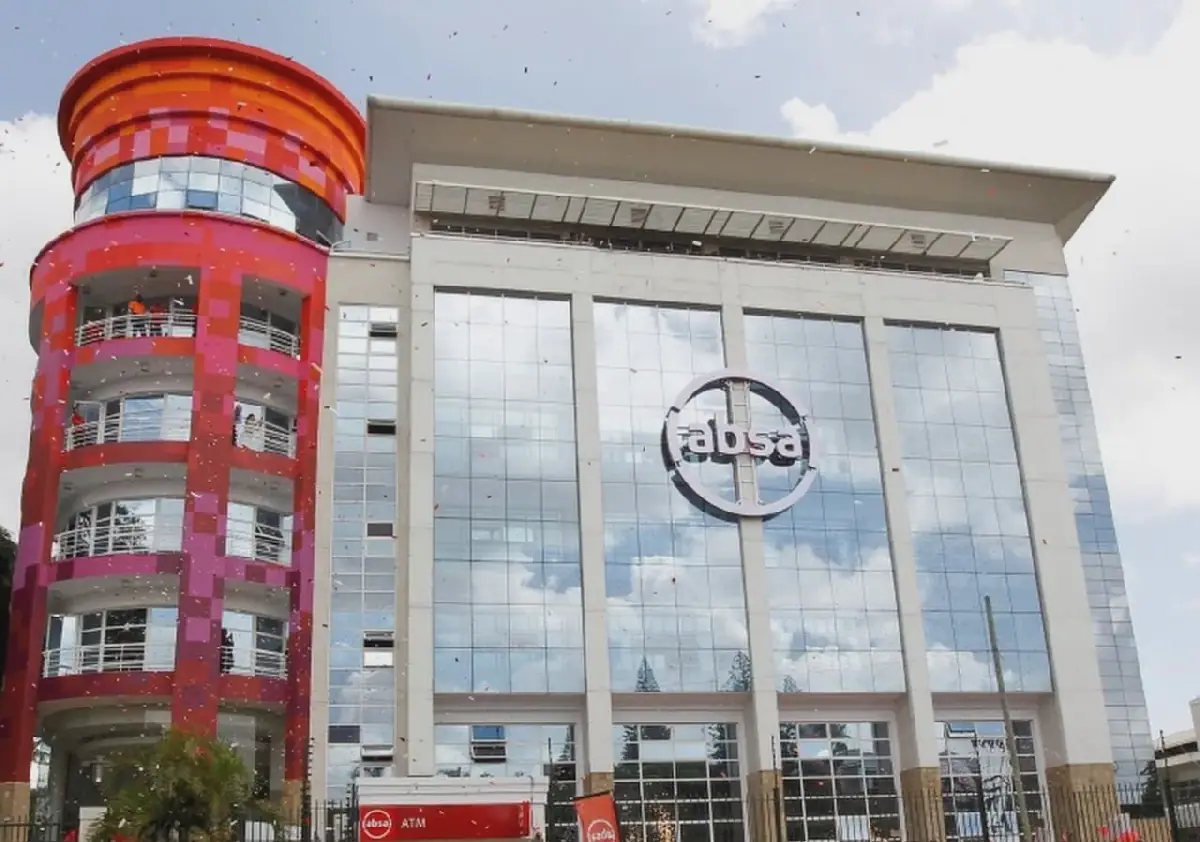
Absa Bank Kenya reported an after-tax profit of KES 15.3 billion for the nine months ended September 2026. This represents a 10% decline from the KES 16.9 billion recorded during the same period the previous year. The bank's profit drop is notable given that its seven listed peers on the Nairobi Securities Exchange reported profit increases ranging from 7% to 32% over the same period.
Despite the profit decline, Absa Bank Kenya's loan book grew 11% to KES 342.5 billion, and deposits rose 6% to KES 408.0 billion. This indicates higher balance-sheet activity, even as the bank faced challenges. Net interest income slipped 2% to KES 32.3 billion over the nine-month period. This decline reflects lower earnings from loans following the Central Bank of Kenya's benchmark rate cuts from 13% in 2024 to 8.75% in February 2026.
The bank's fee, trading, and other non-lending income fell 9% to KES 12.4 billion. Staff costs rose 19.5% in the first half, contributing to higher operating expenses. Operating costs increased to KES 42 of every KES 100 of income over nine months, up from KES 37.60 in the first half. This added roughly KES 1.3 billion to expenses, affecting the bank's overall profitability.
Absa Bank Kenya's loan loss provision increased marginally, with the ratio moving from 1.9% to 2.0% of total loans. The overall non-performing loan ratio fell to 9.8% from 13.0% a year earlier. Although this is still below the industry average of 13.9%, it indicates that the bank is managing its loan portfolio. The bank's performance in the third quarter alone saw a profit of about KES 4.8 billion, a 9% drop from the prior year.
CEO Yusuf Omari, confirmed in September, described July-September as the bank's strongest revenue quarter of 2026. This view is supported by the modest 5% increase in net interest income during that period. Despite this, the bank did not announce a dividend in its nine-month release. The return on equity fell from 24% to 19.9%, indicating reduced profitability for shareholders.
The decline in Absa Bank Kenya's profit contrasts with its peers, which reported significant growth. Equity Group, KCB, Co-op, NCBA, I&M, DTB, and Standard Chartered Kenya all posted profit increases. Absa Bank Kenya's challenges, including higher operating expenses and lower earnings from loans, impacted its profitability. The bank's performance in the third quarter suggests it faced strong competition and economic challenges.
Moving forward, Absa Bank Kenya will need to address its operating expenses and find ways to increase its earnings. The bank's loan book and deposit growth indicate potential for future profitability. However, it must navigate the competitive banking landscape and manage its non-performing loans effectively. The bank's strategy and management decisions will be crucial in determining its future performance.
Key points
- Absa Bank Kenya's nine-month profit declined 10% to KES 15.3 billion.
- The bank's loan book grew 11% to KES 342.5 billion, and deposits rose 6% to KES 408.0 billion.
- The bank's return on equity fell from 24% to 19.9%, indicating reduced profitability for shareholders.