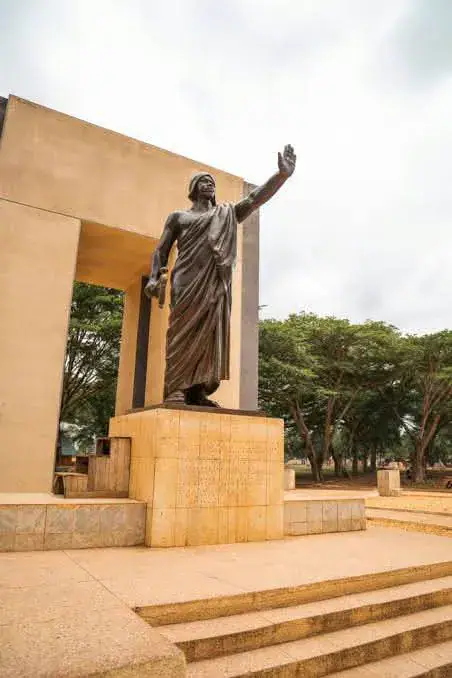
The city of Abomey in Benin is working to develop its tourism industry by leveraging its rich cultural heritage. With a vision to become a major cultural destination in West Africa by 2030, Abomey is implementing a new tourism strategy centered around the concept of "Trône et Héritages" or "Throne and Heritage". This strategy aims to preserve the city's historic sites, improve tourist infrastructure, and ensure that local communities benefit from the tourism industry. Abomey is a city with a rich history, having served as the capital of the ancient Kingdom of Danxomè.
Abomey's history dates back several centuries, with a legacy that includes a centralized political organization, a structured administration, a renowned army, and a rich cultural life. The city's palaces, traditions, and royal symbols are a testament to its glorious past. The city's former rulers, including Houégbadja, Agadja, and Ghézo, contributed to shaping the history of the Kingdom of Danxomè. The Amazons, female warriors who played a significant role in the kingdom's military history, also occupy a special place in the city's collective memory.
The city's rich cultural heritage is a significant asset for the tourism industry. However, having a rich heritage is not enough to make a city a competitive tourist destination. Abomey needs to organize tourist visits, improve its infrastructure, train professionals, and develop services to attract tourists. To address these challenges, the city has developed a new tourism strategy, which was examined by the Communal Supervision Council on August 27, 2026.
The new tourism strategy, outlined in the Document d'orientations et de suivi du développement touristique, aims to give a new dimension to Abomey's local heritage valorization policy. The strategy is built around the concept of "Trône et Héritages", which seeks to consolidate Abomey's status as a historic and royal capital in West Africa. The city's palaces, which have been inscribed on UNESCO's World Heritage List since 1985, are a major tourist attraction.
Abomey's palaces are a testament to the kingdom's political organization, beliefs, ceremonial practices, and architectural genius. They also represent a collective memory and are associated with historical narratives. The city's tourism strategy aims to develop these assets to attract more tourists. The strategy also seeks to improve the tourist experience by providing better infrastructure and services.
One of the key challenges facing Abomey is ensuring that local communities benefit from the tourism industry. The city's tourism strategy aims to ensure that the local population benefits from the industry's growth. This includes providing training and employment opportunities for local people and ensuring that they have access to the economic benefits of tourism.
The success of Abomey's tourism strategy will depend on its ability to balance tourism development with the preservation of its cultural heritage. The city's authorities will need to work closely with local communities, tourism stakeholders, and international partners to achieve this goal.
Key points
- Abomey aims to become a major cultural destination in West Africa by 2030
- The city's tourism strategy is centered around the concept of "Trône et Héritages"
- Abomey's palaces are inscribed on UNESCO's World Heritage List since 1985