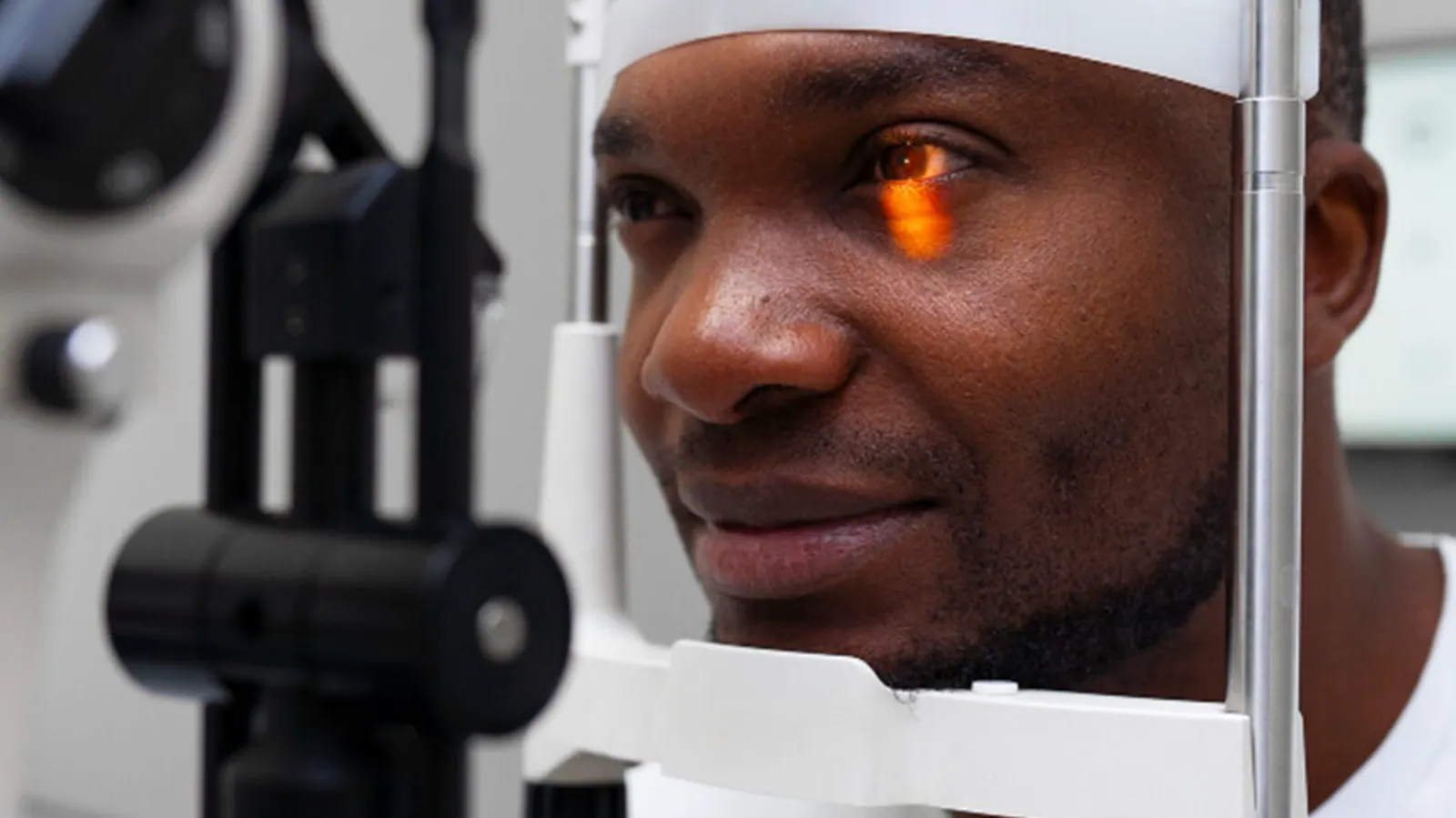
The Abia State Eye Health Management Bureau has established 20 Vision Centres across the state's primary healthcare centres to provide quality eye care services to residents. The initiative aims to bring eye care closer to communities and reduce avoidable blindness. According to Dr. Betty Emeka-Obasi, Administrator of the Bureau, the centres will provide accessible and affordable eye health services, while regulating eye care provision across the state.
The Abia State Eye Health Management Bureau was created by Governor Alex Otti on July 15, 2024, to make high-quality eye health services available, accessible, and affordable to Abians. The Bureau has identified conditions such as cataracts, glaucoma, and refractive errors as leading causes of preventable blindness when left untreated. Dr. Emeka-Obasi stressed the importance of early detection, proper treatment, and regular compliance with treatment, warning residents against patronizing unqualified eye-care practitioners.
Abia State currently has 20 functional Vision Centres located within primary healthcare centres, in addition to specialist eye-care centres in each of the three senatorial districts. The initiative is in line with Governor Otti's campaign commitment to improving access to quality healthcare services in the state. The Administrator claimed that Abia is the only state in Nigeria with functional Vision Centres distributed across its primary healthcare centres.
Before the Otti administration, eye health had not received adequate attention in the state's public health system. Eye clinics were left with obsolete equipment, inadequate infrastructure, and no central coordinating body to set standards or hold anyone accountable for outcomes. However, after Otti declared a state of emergency in health, education, and infrastructure, the situation changed, leading to the establishment of the Bureau through an executive order.
The Bureau began operations with a needs assessment covering the state's 17 local government areas, which revealed that many facilities had no functional eye clinics and, in some cases, had only tables and obsolete equipment. The Bureau then built standard operating procedures, needs assessment, infrastructure, and state-of-the-art equipment. A specialist eye centre was renovated, expanded, and equipped with modern facilities, while a similar centre was established from scratch at Aba General Hospital.
In its first year, the Bureau attended to more than 15,000 patients and increased revenue by more than 2,900 per cent from its starting point. In the second year, the Bureau built on the first-year foundation, opening an additional eye clinic, establishing 20 Vision Centres within primary healthcare centres, and growing revenue to N324,181,425.00, a further 139 per cent increase over that of the first year.
The Bureau's two-year executive summary reported that it had served 33,884 patients, provided free screenings to 31,125 people through 20 outreach programmes, and generated N459.7 million in revenue. The Administrator attributed the reported achievements to the support of the state government, Ministry of Health, partners, and Bureau staff, noting that the model has positioned Abia as a reference point for the establishment of Vision Centres within primary healthcare facilities.
Key points
- Abia State has established 20 Vision Centres across primary healthcare centres to provide accessible eye care services.
- The initiative aims to reduce preventable blindness by providing quality eye care services to residents.
- The Abia State Eye Health Management Bureau has served 33,884 patients and generated N459.7 million in revenue in its first two years of operation.