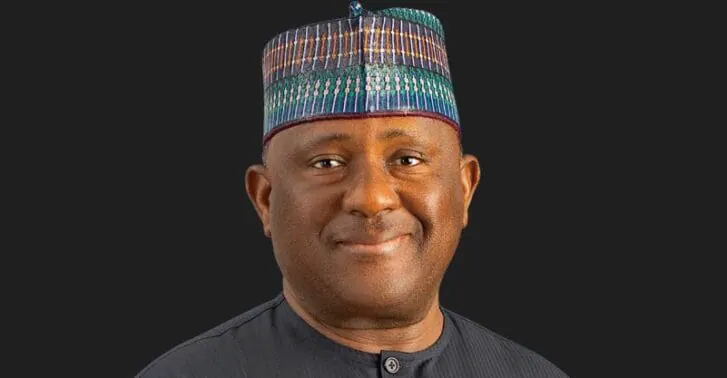
Abdul Samad Rabiu is a prominent figure in Nigeria's transition from an import-dependent economy to larger-scale domestic manufacturing. Through BUA Group, he has built businesses in various sectors, including food processing, cement, mining, infrastructure, and real estate. His importance extends beyond personal wealth, as his career serves as a case study on how a Nigerian entrepreneur moved from commodity trading into manufacturing and created listed companies with substantial controlling ownership.
BUA Group was established in 1988 as a trading company, initially importing food products, iron, and steel. Over time, the group acquired processing companies and developed manufacturing assets. In 2001, BUA acquired Nigeria Oil Mills, the largest vegetable-oil processing company in West Africa at the time. This marked a significant expansion, creating a progression from importing products to processing commodities locally.
Rabiu's business strategy focused on addressing persistent Nigerian economic problems, including heavy dependence on imported food and industrial materials, inadequate domestic processing capacity, and high logistics and energy costs. BUA's industrial sectors, such as sugar, flour, rice, edible oils, and pasta, connect to basic consumption and national development. Cement is a basic input for housing, roads, and commercial construction, with BUA Cement's 2024 annual report highlighting Nigeria's housing and infrastructure gap.
BUA Foods, listed on the Nigerian Exchange on January 5, 2022, operates through five principal divisions: sugar, flour, pasta, rice, and edible oils. The company's growth has depended on capital-intensive expansion, access to infrastructure, exposure to foreign-exchange risk, government policy, and a highly concentrated ownership structure. Its achievements need to be assessed alongside questions about market concentration, governance, environmental impact, and the resilience of Nigerian manufacturing.
Rabiu's professional development included senior institutional roles, such as chairman of Tropical Continental Bank from 1993 to 2000 and chairman of the Bank of Industry. These roles placed him within Nigeria's banking, industrial-finance, and policy ecosystem, helping explain why his business history cannot be understood only as a story of private entrepreneurship. It is also a story about the relationship between Nigerian industry, finance, infrastructure, and public policy.
BUA Cement's installed capacity rose from 11 million to 17 million metric tonnes per annum after two new production lines were commissioned in Edo and Sokoto States. The company's growth has transformed a collection of assets into one of Nigeria's major cement producers. Similarly, the food business was consolidated under BUA Foods, creating a public vehicle through which investors could gain exposure to the group's food operations.
Rabiu's background includes studying Economics at Capital University in Columbus, Ohio, before returning to Nigeria at about 24 and becoming involved in the family business. While public sources provide limited information on his private childhood and early personal life, his professional achievements demonstrate his significant impact on Nigeria's economy and industrial development.
Key points
- Abdul Samad Rabiu's business strategy focuses on addressing Nigeria's economic problems, such as dependence on imported food and industrial materials.
- BUA Group's growth has depended on capital-intensive expansion, access to infrastructure, and government policy.
- Rabiu's professional development included senior institutional roles, such as chairman of Tropical Continental Bank and the Bank of Industry.