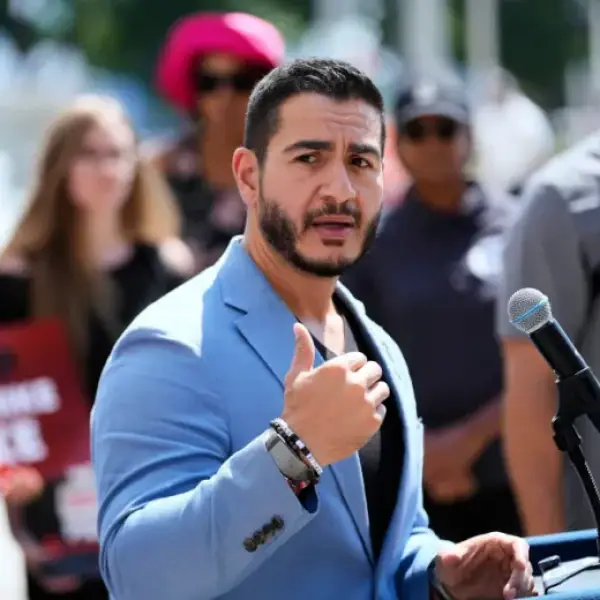
Democrat Abdul El-Sayed has won the Michigan Senate race, defeating Republican Mike Rogers and making history as the first Muslim elected to the US Senate. El-Sayed, a 42-year-old former public health official and son of Egyptian immigrants, secured the seat previously held by retiring Democratic Senator Gary Peters. His victory marks a significant milestone for Muslim representation in American politics and a breakthrough for the Democratic Party's progressive wing.
El-Sayed's path to the Senate was not straightforward. In 2018, he ran for governor of Michigan but lost the Democratic primary by a double-digit margin. However, he returned to electoral politics with a grassroots campaign that drew support from younger voters and progressive activists. During the Senate campaign, El-Sayed focused on healthcare, advocating for a universal, publicly funded system under his Medicare for All proposal.
El-Sayed's campaign also centered on curbing the influence of corporate money and wealthy donors in American elections. His criticism of US policy towards Israel, including opposition to American military aid, became another major focus of the campaign. While these positions attracted support among progressive voters, they also drew criticism from some political opponents and members of his own party.
The Senate race was marked by heavy outside spending and bitter political divisions. Republican attacks on El-Sayed included allegations of links to the Muslim Brotherhood, which he denied. His former Democratic primary rival, Representative Haley Stevens, also endorsed Rogers shortly before Election Day. Rogers sought to portray El-Sayed as too progressive for Michigan, while El-Sayed presented his Republican opponent as closely aligned with President Donald Trump.
Michigan is a closely contested Midwestern state that has played an important role in recent US elections. El-Sayed's victory gives progressives a prominent new voice in the Senate as Democrats debate the party's direction and approach to healthcare, economic inequality, and foreign policy. His election also marks a historic moment for Muslim Americans, who have long sought greater representation in the highest levels of federal government.
El-Sayed's background and experience have prepared him for his new role. As a former public health official, he previously led the Detroit Health Department and served in public health roles in Michigan. His leadership and advocacy have earned him recognition and support from various groups and individuals.
El-Sayed's historic win has significant implications for American politics. As the first Muslim elected to the US Senate, he will bring a unique perspective to the chamber. His commitment to progressive values and his experience in public health will likely shape his contributions to Senate debates and policy discussions.
Key points
- Abdul El-Sayed is the first Muslim elected to the US Senate.
- El-Sayed's victory marks a breakthrough for the Democratic Party's progressive wing.
- The Michigan Senate race was marked by heavy outside spending and bitter political divisions.