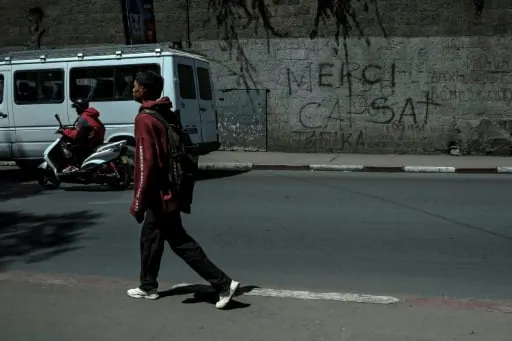
It's been a year since the Capsat military unit in Madagascar sided with protests that led to the downfall of the government. Graffiti in Antananarivo, the capital, reading "Thank you, Capsat" serves as a reminder of the unit's role in the uprising. The protests, led by Gen Z activists, began on September 25 and lasted for weeks, resulting in at least 22 deaths. The defection of Capsat soldiers delivered the final blow to then-president Andry Rajoelina, who fled on a French military plane.
After Rajoelina's departure, the military installed Colonel Michael Randrianirina, the Capsat commander, as "President of the Refoundation of the Republic of Madagascar." The military government promised elections within two years. However, young activists who spearheaded the demonstrations say there is little evidence of any "Refoundation" in the impoverished Indian Ocean island. They claim that basic demands, such as access to water and electricity, remain unmet.
Mihary Rakotondravelo, a prominent Gen Z figure, expressed frustration with the current state of affairs. He stated that he still experiences power cuts and has to wait late at night to access water, despite living in the city center. Rakotondravelo's group is represented on national consultation committees involved in drafting a new Constitution, which the military government has committed to having in place ahead of presidential elections pledged for late 2027.
The proposals for the new Constitution are to be presented in May before being put to a referendum, according to a timeline announced after the 16-nation regional group SADC called for a "return to constitutional normalcy." The new leadership has also started legal proceedings against Rajoelina's inner circle, including a key ally, wealthy businessman Mamy Ravatomanga, over the 2025 transfer of Boeing aircraft to Iran in violation of US sanctions.
A court recently sentenced a former top security official, general Richard Ravalomanana, to 10 years' hard labor for his role in last year's bloody crackdown. The sentencing was welcomed by the Gen Z movement, which had been increasingly wary of the government after the arrests of several people involved in scattered protests over the slow pace of reforms. The arrests were on charges of "endangering state security" that allow for 15 days in detention.
Transparency International vice-chair Ketakandriana Rafitoson expressed concerns about the government's actions, stating that it's easy to crack down on dissent and that the military regime has the advantage of repressive forces and weapons. Madagascar has also forged relations with Russia, receiving several arms deliveries from Moscow in a highly publicized military partnership that includes training by Africa Corps.
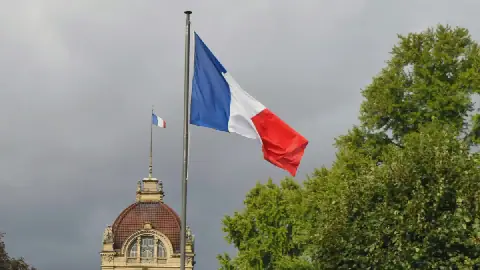
The ruling colonel has asked France to persuade the International Monetary Fund to release 180 million dollars in blocked funds, which were frozen after the government used subsidies to shield consumers from fuel price increases. Madagascar is one of the poorest countries in the world, with around 80 percent of its population of 32 million living in poverty. The Volobe hydroelectric dam project, which involves French electricity giant EDF, must also be approved after months of deadlock.
Key points
- Young activists in Madagascar say that basic demands, such as access to water and electricity, remain unmet a year after the military power grab.
- The military government has promised elections within two years and is working on drafting a new Constitution.
- Madagascar has forged relations with Russia, receiving arms deliveries and training, while maintaining ties with former colonial ruler France.