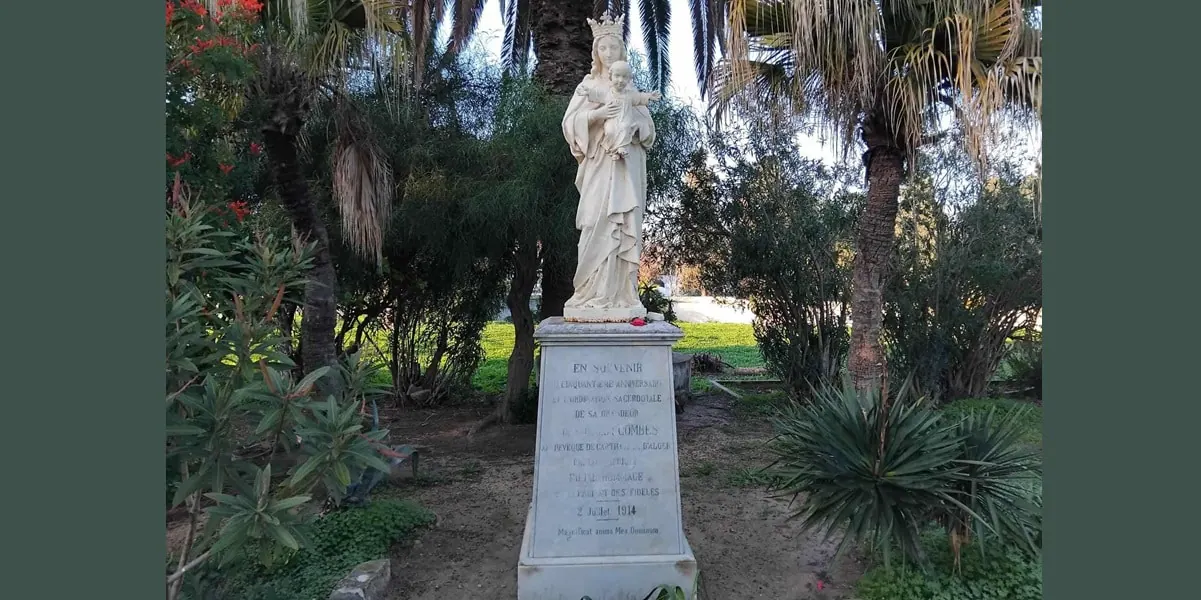
As the seasons change, the writer finds solace in the tranquil atmosphere of La Marsa, a town in northern Tunisia. With the autumnal equinox, the skies take on a unique quality, with clouds and sunlight combining to create a breathtaking landscape. The sea, too, seems to prolong the warmth of summer, with mild days extending into late November. It is against this backdrop that the writer embarks on a leisurely stroll, seeking peace and serenity in the historic Catholic parish of Saint-Cyprien.
The parish, with its rich history, was once home to the archbishop, and the nearby train station was aptly named Archevêché. Today, visitors can wander through the spacious gardens, taking in the serene atmosphere and admiring the interplay of stone and faith that is evident in every corner. The writer pauses to reflect on the lives of those who have shaped this sacred space, including the father Jawad, who will soon welcome his congregation, and the late father Jean Fontaine, who spent his final years within these walls.
As the writer explores the parish, they are struck by the sense of familiarity and tranquility that pervades this sacred space. The trees, some of which are centuries old, provide a soothing backdrop for contemplation and reflection. The writer's thoughts turn to the art of Kaouther Bahri Darghouth, whose works often evoke the textures and colors of the sea and sand. The beach, with its seemingly endless expanse of water and sky, becomes a canvas for the imagination, inviting the writer to meditate on the ever-changing scene.
The writer's promenade also takes them to the seafront, where the breeze carries the sweet scent of the sea. The air is filled with the sounds of nature, and the writer's thoughts turn to the musical heritage of La Marsa, including the timeless songs of Oulaya. As they stroll along the corniche, they find themselves drawn into a world of memories and associations, where the very fabric of the town seems to be woven from the threads of history, culture, and personal experience.
One of the joys of exploring La Marsa is the discovery of its hidden treasures, from the majestic views of the golfe to the quiet intimacy of its villas and gardens. The writer's alphabetical tour of the town takes in a range of evocative names, each one conjuring up images of a bygone era or a particular aspect of local culture. From Azur to Zéphyr, the names seem to dance on the tongue, leaving a lasting impression on the visitor.
As the writer reflects on their experience in La Marsa, they are struck by the sense of connection that exists between the town's natural beauty, its rich history, and its vibrant cultural scene. Whether exploring the historic parish, strolling along the beach, or simply soaking up the atmosphere, the visitor cannot help but feel a deep sense of affinity with this enchanting town. La Marsa, with its unique blend of Tunisian and Mediterranean influences, is a place that lingers in the memory long after the visit has ended.
In the end, the writer's promenade in La Marsa is a testament to the power of nature, history, and art to inspire and uplift the human spirit. As the seasons change, and the world outside seems to grow more turbulent, the tranquility of La Marsa serves as a timely reminder of the importance of slowing down, appreciating the beauty that surrounds us, and finding peace in the simple things in life.
Key points
- The historic Catholic parish of Saint-Cyprien, with its serene gardens and rich history, is a must-visit destination for anyone exploring La Marsa.