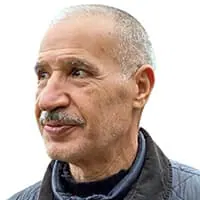
In a heartwarming initiative, Libyan artist Hadiya Ali Qaneh has created a cultural center, aptly named after her father, the late artist Ali Qaneh. This center, located just a few kilometers from the city center of Tripoli, is a testament to her love and dedication to preserving her father's legacy. The center is not just a physical structure but a beacon for art, literature, and culture, showcasing the best of Libyan talent.
The center, which Hadiya designed and built herself, is a reflection of her passion for art and her commitment to promoting Libyan culture. It features a book exchange program and hosts various cultural and artistic events, providing a platform for local artists to showcase their work. This project is all the more remarkable given that it was achieved without the support of government institutions, solely through Hadiya's determination and hard work.
Hadiya's efforts are part of a larger trend of Libyan artists and intellectuals taking the initiative to promote culture and art in their country. Other notable examples include the establishment of the Ibrahim Al-Ashti cultural center in Derna and the Sabratha cultural center. These initiatives demonstrate the importance of grassroots efforts in preserving and promoting Libyan heritage.
The cultural center has already hosted several events, including an exhibition of children's drawings, which provided an opportunity for young artists to showcase their talents. Hadiya's dedication to her craft and her commitment to promoting Libyan culture have earned her recognition and admiration from her peers and the wider community.
What sets Hadiya apart is her humility and quiet dedication to her work. Despite her achievements, she remains modest and focused on her goals, preferring to let her work speak for itself. Her passion for art and culture is contagious, inspiring others to get involved and make a positive impact on their community.
Hadiya's love for her father's legacy is evident in everything she does. She has created a space that not only celebrates his memory but also provides a platform for future generations of artists and intellectuals to grow and develop. Her efforts are a testament to the power of art and culture to bring people together and promote understanding and appreciation.
As Libya continues to navigate its complex history and cultural heritage, initiatives like Hadiya's cultural center are crucial in preserving and promoting the country's rich artistic and intellectual traditions. By supporting and celebrating local artists and intellectuals, we can help build a brighter future for Libya and ensure that its cultural heritage continues to thrive.
Key points
- Libyan artist Hadiya Ali Qaneh establishes a cultural center in memory of her father, renowned artist Ali Qaneh.