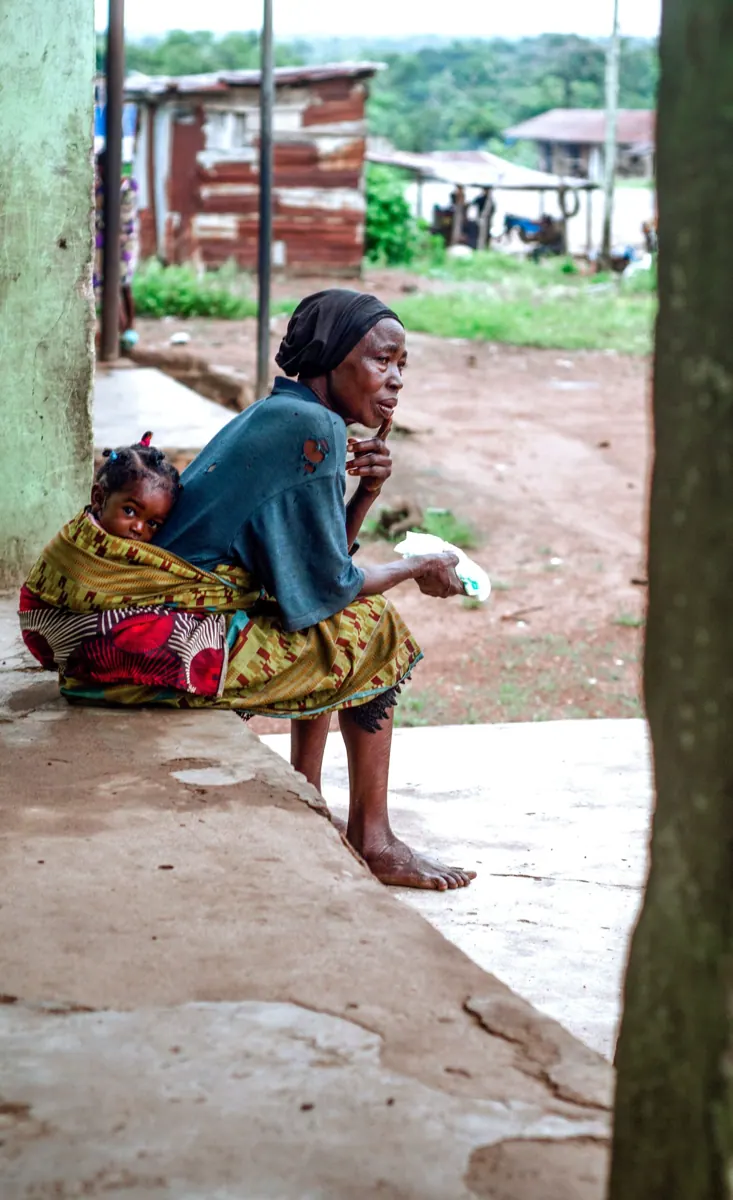
A fifth birthday should be unremarkable, yet for many African families, it is not. In 2024, an estimated 4.9 million children died before reaching the age of five, with nearly six in ten of those deaths occurring in sub-Saharan Africa. Most of these deaths were preventable with interventions already known. In Nigeria, for example, the latest estimate is 116 deaths per 1,000 live births, roughly one child in nine.
The issue of child survival is a pressing concern for organizations such as UNICEF. Judith Leveillee, UNICEF's field chief in Nigeria, recently emphasized that child survival will be one of two priorities in the agency's next country programme. She described it as "the most basic of the basics." However, she also warned that short-term funding makes the slower work of strengthening systems harder.
The OECD projects that health aid could fall by 29 to 46 percent between 2024 and 2026, equivalent to $5 billion to $8 billion. Those cuts will likely hurt African countries that rely heavily on foreign aid for their healthcare systems. This has raised concerns about the impact on child survival rates. Dr. William Nii Ayitey Menson, a physician and researcher, has seen firsthand the problems with healthcare financing in Africa.
Dr. Menson's experience working on immunization financing in Niger highlighted the importance of efficient allocation and disbursement of funds. Even when resources had been provided for planned activities, moving them through administrative levels could take time due to approvals and signatures. To address this, a mechanism was designed to shorten the path and move resources more directly to districts and facilities.
In Ghana, Dr. Menson saw another part of the same problem as a clinician. For people outside the National Health Insurance Scheme, almost everything could become an out-of-pocket payment. Even insured patients sometimes had to buy medicines privately because what they needed was unavailable at the facility. The financing terminology mattered less than the consequence at the bedside.
Ghana's new Free Primary Healthcare programme is an interesting test of whether universal healthcare can improve child survival rates. The programme brings maternal and child health services, immunization, screening, and treatment for common conditions closer to where people live. However, the difficult work starts after the announcement, and it remains to be seen whether the programme will be successful.
Dr. Menson proposes a Fifth Birthday Guarantee, which would require governments to identify the services most likely to keep children alive, cost them, budget for them, release the money, make sure the services reach children, and report honestly on what happened. The financing answer will differ between countries, but the goal is to integrate child survival into primary health care, benefit packages, insurance arrangements, and existing supply chains.
Key points
- An estimated 4.9 million children died before reaching five in 2024.
- The OECD projects that health aid could fall by 29 to 46 percent between 2024 and 2026.
- Dr. Menson proposes a Fifth Birthday Guarantee to ensure governments prioritize child survival.