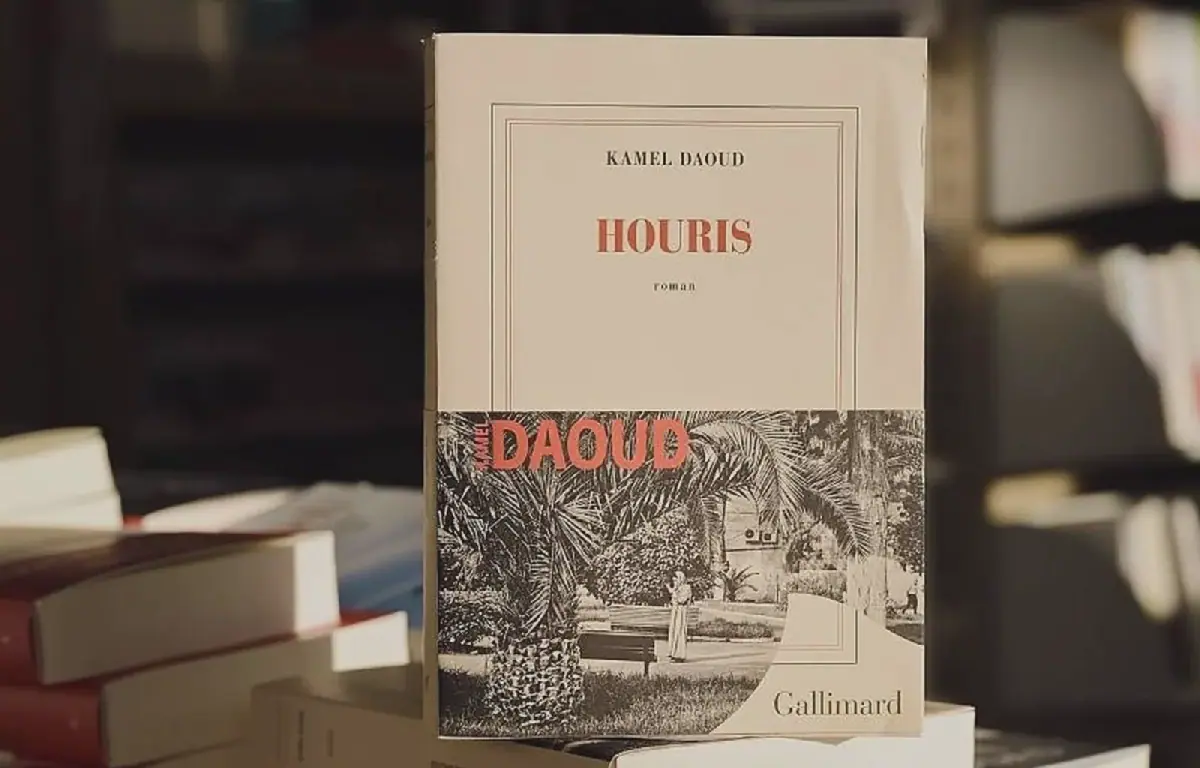
Aïcha Dahdouh, the wife of Algerian writer Kamel Daoud, has spoken out about the controversy surrounding his novel Houris, which won the Prix Goncourt 2024. In an interview with Mediapart, Dahdouh revealed that she and Daoud are now divorced, citing deep ideological differences, including on sensitive topics such as Islam, Algeria, and Palestine. Their separation has been complicated by a judicial battle with Saada Arbane, who accuses them of violating her privacy and disclosing her medical file.
Dahdouh explained that she missed a court hearing on October 13 due to her separation and the need to organize custody of their children. She denied allegations that she had violated medical confidentiality by sharing Arbane's tragic story with her husband. Dahdouh emphasized the importance of ethics in her profession, stating that she had never disclosed or shared any medical files. She did acknowledge having informal relationships with Arbane, facilitated by their children's proximity.
According to Dahdouh, Arbane had discussed her story with Kamel Daoud on several occasions, both in her presence and separately. Dahdouh claimed that she had noticed similarities between Arbane and the main character in Daoud's novel Aube, and had alerted the publisher before the book's publication as a precaution. Dahdouh also revealed that Arbane's adoptive mother had expressed a desire for her daughter's story to be told by Daoud, and that Arbane had initially agreed to the project.
Dahdouh stated that she had introduced Arbane and Daoud at a meeting in 2022, during Ramadan, and that they had confirmed their agreement on the project. However, Arbane later retracted her consent, which Dahdouh claimed was communicated verbally to Daoud. Dahdouh emphasized that she had distanced herself from Daoud's polemical positions, stating that his opinions did not reflect her own.
The controversy surrounding Houris has sparked a heated debate in Algeria, with many criticizing Daoud's handling of Arbane's story. Dahdouh's statements have added a new layer to the controversy, highlighting the complexities of the case and the challenges of balancing artistic expression with personal and medical confidentiality.
The judicial battle between Arbane and the Daoud couple continues, with Arbane accusing them of violating her privacy and disclosing her medical file. Dahdouh's statements are likely to fuel further debate and scrutiny of the case, which has already generated significant attention and controversy in Algeria and beyond.
As the case unfolds, Dahdouh's decision to speak out and distance herself from Daoud's positions is likely to have significant implications for the literary world and the broader cultural landscape in Algeria. The controversy surrounding Houris has raised important questions about artistic freedom, medical confidentiality, and the responsibilities of writers and artists in handling sensitive and personal stories.
Key points
- Aïcha Dahdouh denies allegations of violating medical confidentiality in connection with Kamel Daoud's novel Houris.
- Dahdouh cites deep ideological differences with Daoud, including on sensitive topics such as Islam, Algeria, and Palestine, as the reason for their divorce.
- The controversy surrounding Houris has sparked a heated debate in Algeria about artistic expression, personal and medical confidentiality, and the responsibilities of writers and artists.