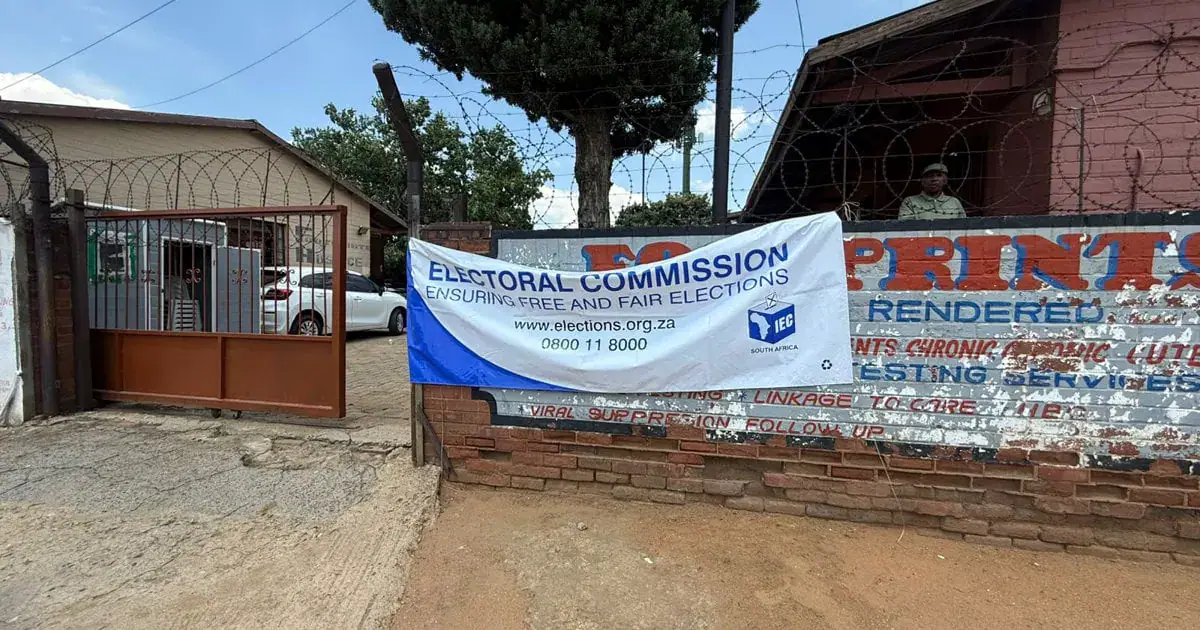
An 82-year-old resident of Diepkloof, Soweto, has expressed frustration with the lack of meaningful change in her community since she first voted in South Africa's democratic elections in 1994. The elderly woman, who wished to remain anonymous, participated in special voting at Diepkloof East on Monday. She is among members of the elderly community who are casting their ballots at the Footprints Hospice in Diepkloof, a facility that provides care for vulnerable members of the community.
The elderly woman's frustration stems from the ongoing struggles of her children, who are unemployed and dependent on her social grant. She emphasized that elderly mothers like herself suffer the most when their children are jobless. Despite her concerns, she remains committed to exercising her democratic right to vote, having participated in every election since 1994. The woman expressed gratitude for having access to electricity, but noted that the supply is often unreliable.
Special voting began on Monday and will continue until Tuesday, ahead of the general voting day on Wednesday. The Electoral Commission of South Africa (IEC) has established a voting station at the Footprints Hospice, making it easier for people with disabilities, terminal illnesses, and elderly residents to cast their ballots. IEC-trained personnel are assisting residents to ensure they can vote with ease.
The elderly woman's sentiments reflect the concerns of many South Africans who are yet to see meaningful change in their communities. She emphasized that she will continue to vote, hoping that her ballot will bring about change. The woman's story highlights the challenges faced by many elderly residents in Soweto, who are struggling to make ends meet and access basic services.
According to the IEC, about 2.6 million people are registered for special voting across the country, while 29 million South Africans are registered to vote. The local government elections are a critical opportunity for citizens to exercise their democratic rights and shape the future of their communities.
The elderly woman's frustration with poor service delivery is not unique to her community. Many residents in Soweto and across South Africa are struggling with inadequate services, including water, sanitation, and electricity. The local government elections will provide an opportunity for citizens to hold their elected officials accountable for service delivery.
Despite the challenges, the elderly woman remains committed to the democratic process. She emphasized that she will never give up her right to vote, hoping that her ballot will bring about change. The woman's story serves as a reminder of the importance of citizen participation in shaping the future of South Africa.
Key points
- The elderly woman's frustration with poor service delivery and lack of meaningful change since 1994 reflects the concerns of many South Africans.
- The IEC has established special voting stations to make it easier for vulnerable members of the community to exercise their democratic right to vote.
- About 2.6 million people are registered for special voting, while 29 million South Africans are registered to vote.