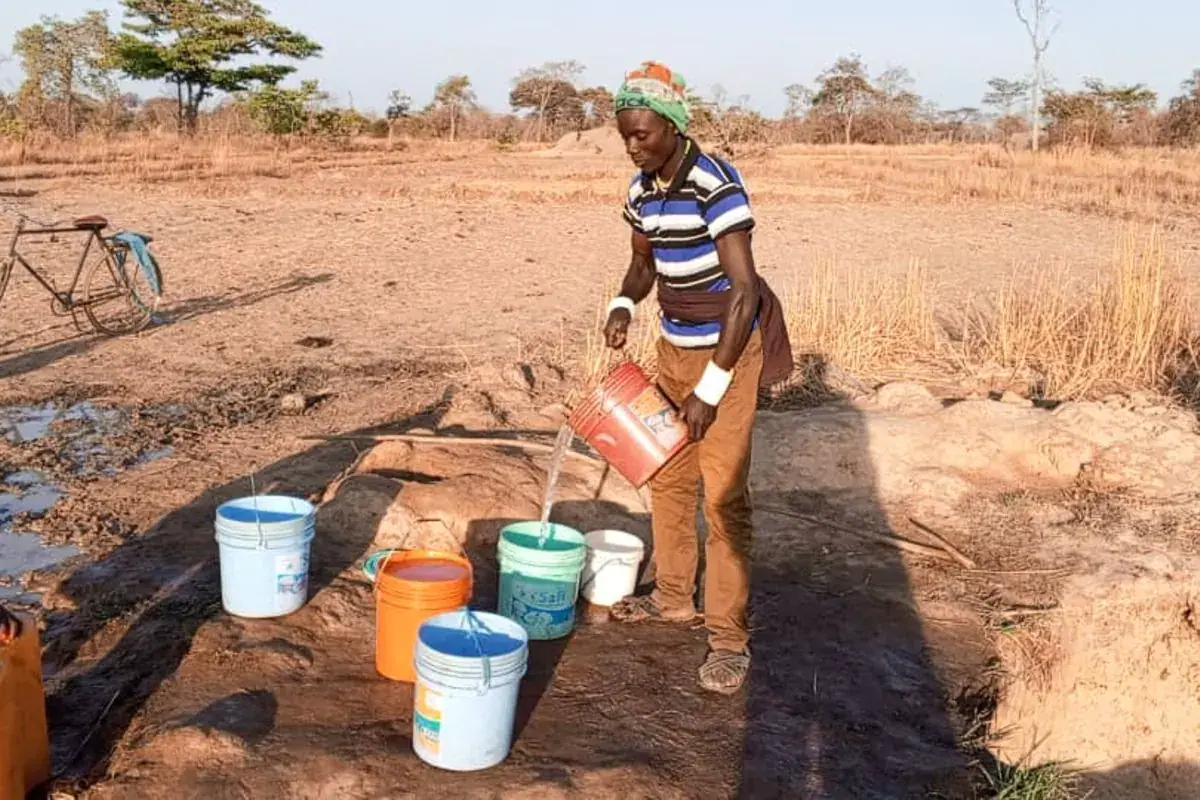
Residents of Uyui District in Tanzania's Tabora Region are facing significant challenges in accessing safe drinking water. According to the 2022 Population and Housing Census report, 78.3% of households in the district rely on unimproved sources of drinking water, while only 21.7% have access to improved sources. This has resulted in some residents being forced to walk between three and five kilometers in search of water. The situation is particularly dire in areas such as Makazi, Ufuluma, Usagari, and Ndono wards, as well as parts of Ibiri.
The Rural Water Supply and Sanitation Agency (Ruwasa) manager for Tabora Region, Mr. Hatari Kapufi, has highlighted the need for investment in alternative water sources to ensure reliable access to the service. He notes that Tabora is among Tanzania's drought-prone regions, prompting the government to make additional investments in infrastructure to transport water from Lake Victoria. The government has made significant investments in the Lake Victoria Water Project, which has started implementation, with several areas already connected to the supply.
Mr. Kapufi says efforts to extend the service to other parts of Uyui District are continuing, although some areas are still awaiting expansion of the water distribution network. He emphasizes that extending water services to all areas is a process that does not happen overnight. The government aims to ensure all villages across the country have access to water by 2030, and communities yet to benefit from the service will eventually be reached. Considerable work has been undertaken across Uyui District, and Ruwasa is building communities' capacity to develop and implement strategies for securing water supplies.
University of Dodoma (UDOM) lecturer, Dr. Paul Loisulie, believes that a lasting solution to water shortages across the country requires accountability in budget planning and the implementation of development strategies. He argues that leaders should prioritize areas facing the greatest needs in development plans and allocate funding commensurate with the scale of their challenges. Dr. Loisulie emphasizes the need for follow-up to establish whether funds have been released, projects implemented, and communities provided with the intended services.
Professor Haji Semboja of the State University of Zanzibar supports Dr. Loisulie's position, stating that Tanzania already has policies, laws, and guidelines governing the water sector, making implementation the priority. He emphasizes that the government should ensure existing plans reach communities that still lack access to water, while citizens and other stakeholders should monitor progress and hold responsible institutions accountable. Section 43 of the Water Supply and Sanitation Act No. 5 of 2019 assigns Ruwasa responsibility for developing and managing rural water supply and sanitation projects.
The National Water Policy of 2002, revised in 2025, also emphasizes sustainable water services, the management of water resources, and stakeholder participation. Prof. Semboja stresses the importance of accountability, stating that communities also have a responsibility to monitor projects, including seeking information on allocated funds, implementation timelines, and measures being taken when projects stall. The implementation of the law should be reflected in Ruwasa's efforts to identify new water sources, expand infrastructure, and rehabilitate damaged systems.
Stakeholders and officials responsible for water services have outlined ongoing interventions and additional measures needed to address the challenge. The proposed interventions include investing in alternative water sources, aligning budgets with communities' needs, and ensuring planned projects are completed on time. However, experts say the success of such measures will depend largely on accountability among leaders and institutions responsible for water services.
Key points
- 78.3% of households in Uyui District rely on unimproved sources of drinking water.
- The government aims to ensure all villages across the country have access to water by 2030.
- Accountability in budget planning and implementation of development strategies is crucial to addressing water shortages.