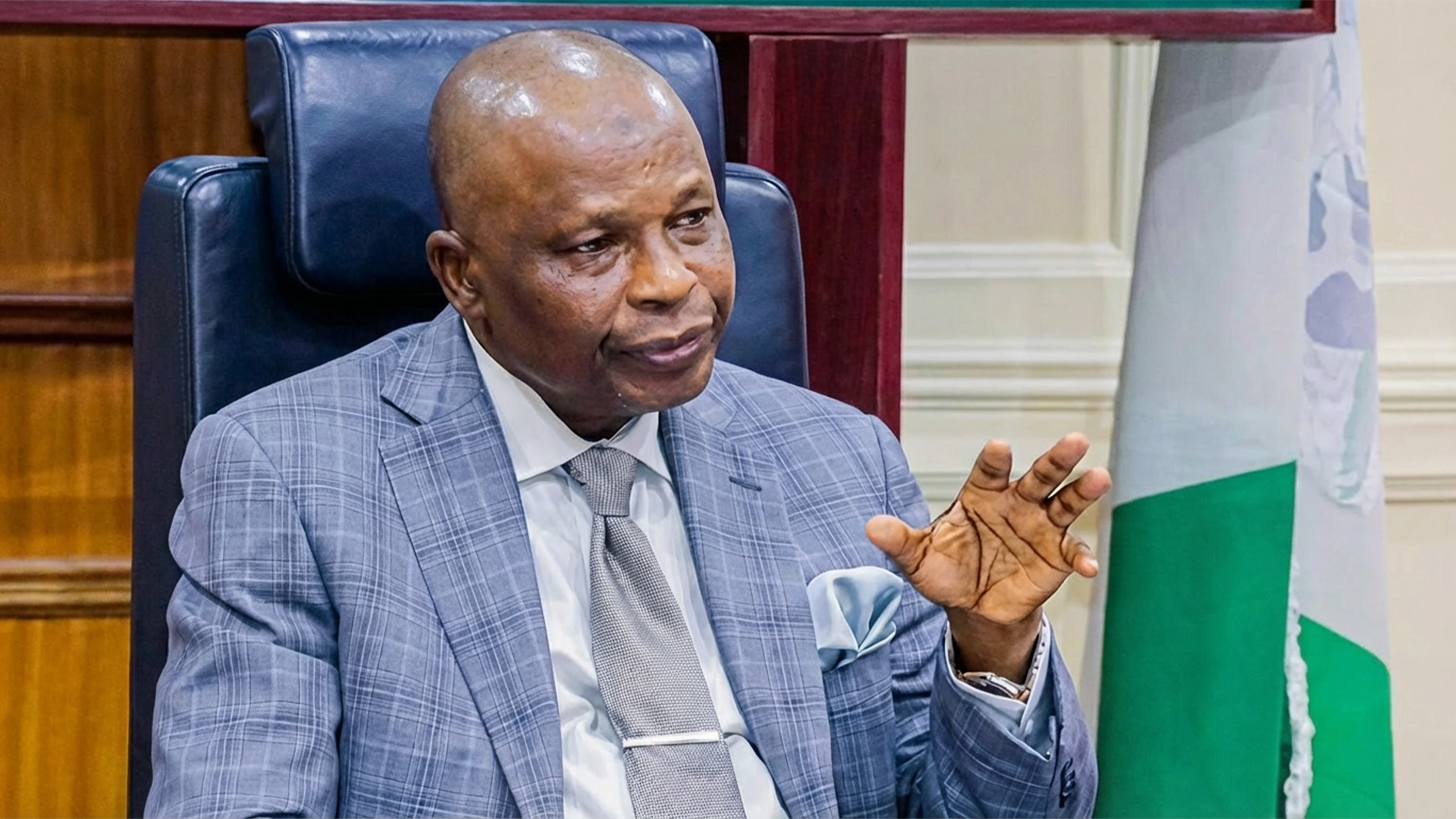
The Nigerian government has revealed that 70% of the country's film industry revenue is lost to piracy, a situation that poses significant risks to jobs, investment, and earnings in the creative economy. This disclosure was made by the Attorney-General of the Federation (AGF) and Minister of Justice, Lateef Fagbemi, at the National Seminar on Copyright, Cybersecurity and Nigeria's Creative and Digital Economy in Abuja. The seminar aimed to address the growing threat of digital piracy.
According to Fagbemi, piracy has evolved beyond conventional copyright infringement, with the emergence of illegal streaming platforms, pirate websites, and rogue digital services. These platforms have made piracy a sophisticated and borderless enterprise, allowing copyrighted works to be reproduced, modified, and distributed globally within seconds. The perpetrators and illicit proceeds can be concealed across jurisdictions, making it challenging for authorities to tackle the issue.
The AGF emphasized that online piracy cannot be effectively tackled by copyright enforcement authorities operating in isolation. He proposed the Abuja Copyright Action Plan, which would provide a coordinated framework for addressing online piracy. The plan includes specific actions, responsible institutions, implementation timelines, and monitoring mechanisms. This initiative aims to curb the menace of piracy and protect the creative industry.
Nigeria's film industry, Nollywood, produces about 2,500 films annually and directly employs an estimated one million people. Piracy affects not only the film industry but also a broad chain of producers, actors, technicians, marketers, and distributors. The music industry is also experiencing rapid growth in legitimate digital revenue, with Nigerian artists generating 30.3 billion streams globally in 2025.
The music industry's growth was highlighted by Spotify's Loud & Clear data, which showed that income generated by Nigerian music rose from N11 billion in 2022 to N25 billion in 2023, N58 billion in 2024, and N60 billion in 2025. Independent artists and labels accounted for 58% of royalties. The growth of the music industry underscores the need to protect creative works from piracy.
The Nigerian Copyright Commission has intensified enforcement through takedown and domain-blocking operations, arrests, and prosecutions. However, sustained cooperation from the private sector is required to effectively combat piracy. The Director of the World Intellectual Property Organisation (WIPO) Nigeria Office, Dr. Oluwatobi Moody, expressed WIPO's readiness to support the Nigerian Copyright Commission with technical tools to disrupt the financial infrastructure of pirate sites.
The seminar marked a shift from treating piracy solely as a copyright issue to addressing its implications for jobs, investment, digital security, and economic growth. The Director-General of the Nigerian Copyright Commission, Dr. John Asein, emphasized the need for a coordinated approach to tackle piracy. Key stakeholders, including copyright authorities, security agencies, telecommunications operators, internet service providers, digital platforms, and rights owners, are expected to work together to combat piracy.
Key points
- The Nigerian government has proposed the Abuja Copyright Action Plan to tackle online piracy.
- Piracy affects a broad chain of producers, actors, technicians, marketers, and distributors in Nigeria's film industry.
- The music industry in Nigeria is experiencing rapid growth in legitimate digital revenue.