The Nigerian film industry, also known as Nollywood, loses approximately 70% of its annual revenue to piracy, according to the Federal Government. This significant loss affects not only the film industry but also the broader creative economy, which is a substantial contributor to Nigeria's economy. The government has noted that piracy is putting jobs, investment, and earnings of filmmakers, musicians, and millions of young Nigerians at risk.
The Federal Government has launched a fresh coordinated offensive against online piracy, bringing together copyright authorities, security agencies, telecommunications operators, internet service providers, digital platforms, and rights owners. At the center of this new push is the proposed Abuja Copyright Action Plan, which aims to move the fight against piracy from policy declarations to coordinated, measurable enforcement. The plan is expected to identify specific actions, responsible institutions, implementation timelines, and mechanisms for monitoring compliance.
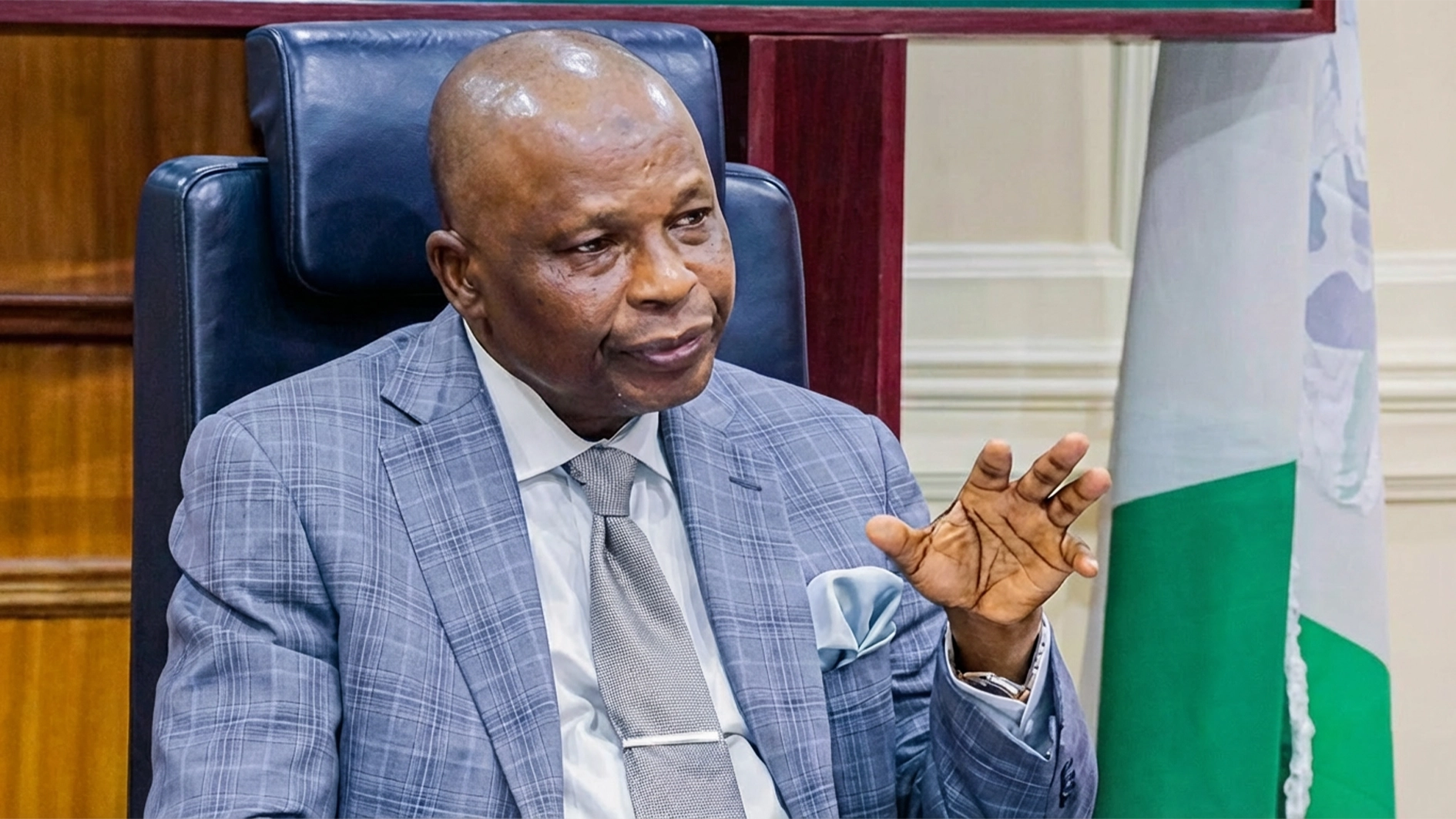
Attorney-General of the Federation and Minister of Justice, Lateef Fagbemi, has emphasized that the threat of piracy has moved beyond conventional copyright infringement. He noted that digital piracy has become a sophisticated, borderless enterprise operating through illegal streaming platforms, pirate websites, and rogue digital services. Fagbemi stressed that a coordinated national response is imperative to tackle online piracy effectively.
According to figures attributed to UNESCO, Nollywood produces about 2,500 films annually and directly employs an estimated one million people. This means that every major revenue stream diverted by piracy potentially affects a vast chain of producers, actors, technicians, marketers, distributors, and other creative workers. The music industry is also becoming an increasingly valuable target for legitimate digital commerce and piracy.
The music industry in Nigeria has experienced significant growth in recent years, with legitimate income generated by Nigerian music rising from N11 billion in 2022 to N25 billion in 2023, before jumping to N58 billion in 2024 and N60 billion in 2025. Nigerian artists generated 30.3 billion streams globally in 2025, with 58% of royalties going to independent artists and labels. However, this growth also makes the industry more vulnerable to piracy.
Fagbemi has called for real-time intelligence sharing between agencies, stronger cooperation with internet service providers and digital platforms, and standardized lawful procedures for rapidly taking down or blocking infringing content. He also directed stakeholders to exploit technology for detecting and disrupting piracy while maintaining constitutional due process and protecting legitimate digital businesses.
The World Intellectual Property Organisation (WIPO) has warned that digital piracy has become intertwined with cybersecurity risks. The Director, WIPO Nigeria Office, Dr. Oluwatobi Moody, commended Nigeria for modernizing its copyright regime through the Copyright Act 2022 but stressed that the challenge was now to turn the legal framework into practical enforcement.
Key points
- The Nigerian film industry loses approximately 70% of its annual revenue to piracy.
- The Federal Government has launched a coordinated offensive against online piracy.
- The proposed Abuja Copyright Action Plan aims to move the fight against piracy from policy declarations to coordinated, measurable enforcement.