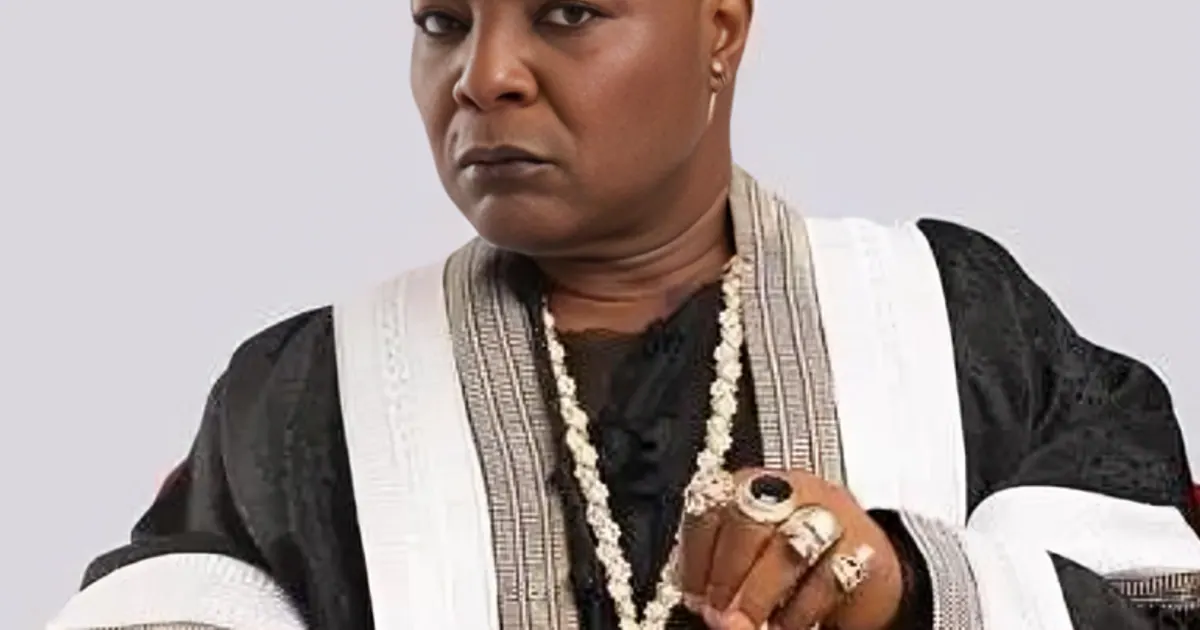
Charly Boy, born Charles Chukwuemeka Oputa on June 19, 1950, in Port Harcourt, Rivers State, has built a career around music, television, activism, and his unconventional public image. As the son of the late Justice Chukwudifu Oputa, who served on Nigeria’s Supreme Court, Charly Boy had a privileged upbringing. However, he chose not to follow the conventional path expected of him, instead forging his own way in the entertainment industry. His relationship with his father was complicated, particularly because he wanted to make his own career choices.
Before pursuing a career in music and entertainment, Charly Boy considered becoming a priest. He spent a year in the seminary before deciding that it wasn't the right path for him. This decision marked a significant departure from the expectations surrounding him. Charly Boy's father helped him secure a job with an oil company in Port Harcourt after completing his education and national service, but Charly Boy refused to take it. Instead, he chose to pursue a career in music, which caused a serious disagreement between father and son.
Charly Boy's punk image, which became an integral part of his identity, was carefully created in the late 1980s. He worked with stylist and singer-songwriter Tina Onwudiwe, popularly known as African Oyinbo, to develop the image that would set him apart from conventional Nigerian pop stars. The look, which included leather clothing, boots, mohawks, and power bikes, helped establish him as a unique figure in the Nigerian music scene. Charly Boy began his music career in the early 1980s and independently released the highlife song Obodo GiriGiri in 1984.
Charly Boy's first big music break came with the song Nwata Miss, which he released in 1985 after securing a deal with Polygram Nigeria. The song became an important early success and helped establish him in the Nigerian music scene. In the 1990s, The Charly Boy Show became one of his most recognisable projects. The weekly sketch and variety programme mixed music, comedy, and celebrity appearances with political commentary.
The Charly Boy Show helped turn Charly Boy from a musician with an unusual appearance into a major television personality. His later Zoom Time segment became particularly memorable for its unconventional interviews with politicians. The show was more than just entertainment; it provided a platform for Charly Boy to express his opinions and engage with his audience. Charly Boy's public life has taken another turn towards men’s health advocacy in recent years.
Charly Boy has spoken openly about his experience with prostate cancer and used it to push conversations around men's health. The Charly Boy Foundation says its work focuses on issues including prostate cancer, mental health, and other health concerns affecting Nigerian men. He has also documented some of his personal experiences in 999, his 2026 memoir. This new chapter in his life highlights his continued commitment to using his platform for social good.
From a privileged upbringing and a rejected oil job to music, television, activism, and men's health advocacy, Charly Boy's career has repeatedly followed the same pattern: choosing an unconventional path and turning it into a public identity. His memoir 999 has brought some lesser-known chapters of his life back into the spotlight, offering a deeper understanding of the man behind the public image.
Key points
- Charly Boy turned down an oil industry job to pursue music.
- He spent a year in the seminary before choosing another path.
- His punk image was carefully created in the late 1980s.