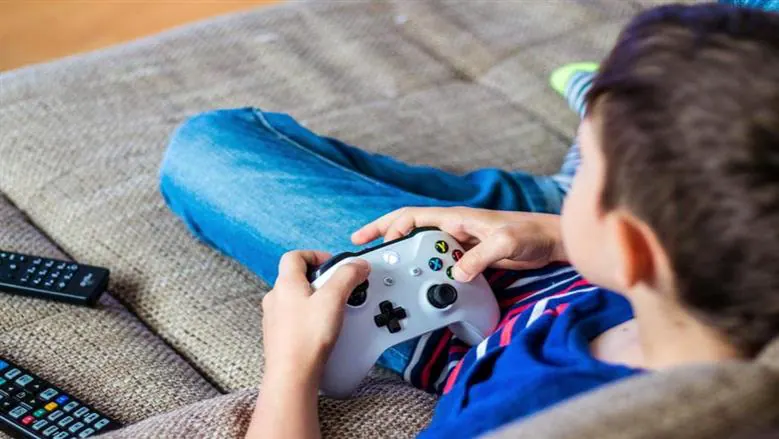
Video games are no longer just a form of entertainment for some children, but an addiction that affects their sleep, studies, family, and social relationships. Parents often wonder when playing video games is normal and when it becomes a problem that requires intervention. According to a report by the Raising Children Network, excessive video game use can lead to behavioral and social issues, such as irritability, tension, and withdrawal from social interactions.
It is essential to differentiate between a child's love for video games and a real problem with their usage. The key indicator is not the number of hours spent playing, but the impact of gaming on the child's daily life. If a child starts to neglect their studies, sleep, or relationships, or becomes unable to stop playing despite negative consequences, it is time for concern.
There are several signs that may indicate a child's addiction to video games. These include disrupted sleep patterns, declining academic performance, irritability when asked to stop playing, lying about the amount of time spent gaming, withdrawal from family and friends, loss of interest in previously enjoyed activities, and aggressive behavior.
The Raising Children Network report highlights that excessive video game use can lead to a pattern of behavior similar to addiction, where a child loses control over their gaming habits despite negative effects on their daily life. Parents should be aware of these signs and take action to prevent or address the issue.
To address excessive video game use, families can take several steps. These include having an open conversation with the child to understand the reasons behind their attachment to gaming, setting a daily time limit for gaming, and establishing rules for device use. Providing alternative activities and increasing family time can also help.
Setting a good example is crucial, as children often mimic their parents' behavior. By limiting their own screen time and engaging in other activities, parents can show their children that there is more to life than video games. Additionally, encouraging physical activity, creative pursuits, and social interactions can help children develop a balanced lifestyle.
By being aware of the signs of video game addiction and taking proactive steps, parents can help their children maintain a healthy balance between gaming and other aspects of life. This can prevent long-term negative effects on their child's physical and mental well-being, relationships, and academic performance.
Key points
- Excessive video game use can lead to behavioral and social issues in children, such as irritability, tension, and withdrawal from social interactions.
- Parents should be aware of the signs of video game addiction, including disrupted sleep patterns, declining academic performance, and aggressive behavior.
- Families can address excessive video game use by setting a daily time limit for gaming, establishing rules for device use, and providing alternative activities.