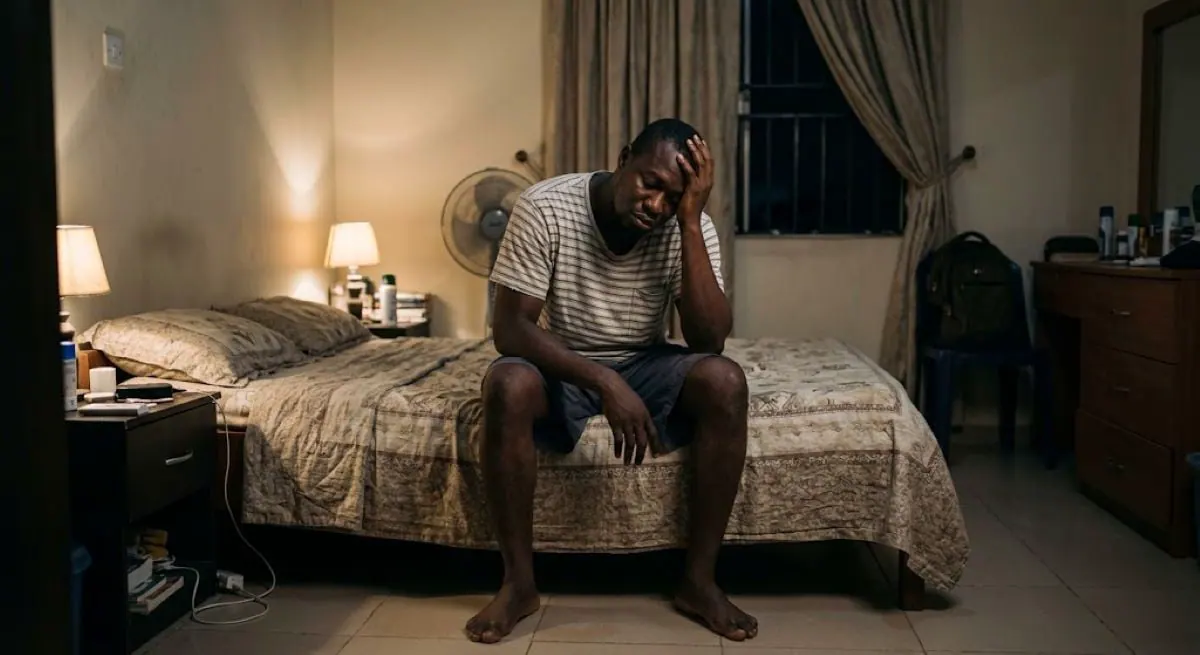
Many people experience waking up feeling exhausted despite spending several hours in bed. This can be caused by various factors, including poor sleep quality, irregular sleep patterns, and underlying health conditions. When this happens occasionally, it may not be a cause for concern. However, if it becomes a regular occurrence, it can affect daily life and productivity. According to experts, the quality of sleep, daily routine, and underlying health conditions can all impact how rested a person feels upon waking.
One reason for feeling exhausted after sleeping is that the sleep may not be as restful as one thinks. Sleep occurs in different stages, and the body needs to move through these stages properly to feel rested. Frequent awakenings during the night can interrupt this process, even if one does not remember waking up. Noise, light, an uncomfortable sleeping environment, and an irregular sleep schedule can all affect sleep quality, leading to feelings of tiredness upon waking.
An irregular sleep pattern can also contribute to feeling exhausted after sleeping. Going to bed and waking up at different times can interfere with the body's internal clock, making it harder to maintain a consistent sleep-wake rhythm. A regular sleep schedule can help the body know when it is time to become sleepy and when it is time to wake up. This can help improve the quality of sleep and reduce feelings of tiredness.
Stress can also play a significant role in feeling exhausted after sleeping. Worries about work, finances, relationships, or other problems can make it difficult to fall asleep or remain asleep. Even if one spends enough time sleeping, stress can disrupt the sleep, leading to feelings of tiredness upon waking. Persistent stress can also affect how one feels during the day, making tiredness more noticeable.
Certain health conditions can also cause tiredness after sleeping. Conditions such as anaemia, thyroid disorders, depression, and other illnesses can cause persistent fatigue. Some medications can also cause drowsiness or affect sleep. If one has been waking up exhausted for a prolonged period without an obvious explanation, a healthcare professional can help determine whether there is an underlying cause.
Lifestyle habits can also impact how rested one feels after sleeping. Too little physical activity, excessive alcohol intake, late caffeine consumption, and spending long periods on electronic devices close to bedtime can interfere with sleep. Large meals close to bedtime can also make one uncomfortable at night. Good sleep is not only about what happens after one gets into bed; daily habits can also play a role.
Finally, not getting enough sleep can be a straightforward explanation for feeling exhausted after sleeping. Adults generally need at least seven hours of sleep each night, although individual needs vary. If one regularly stays awake late and has to wake up early, the hours spent sleeping may simply not be enough. Trying to compensate by sleeping longer only on weekends may not completely make up for consistently inadequate sleep during the week.
Key points
- Poor sleep quality, irregular sleep patterns, and underlying health conditions can all contribute to feeling exhausted after sleeping.
- Stress and lifestyle habits can also impact how rested one feels after sleeping.
- Not getting enough sleep can be a straightforward explanation for feeling exhausted after sleeping.