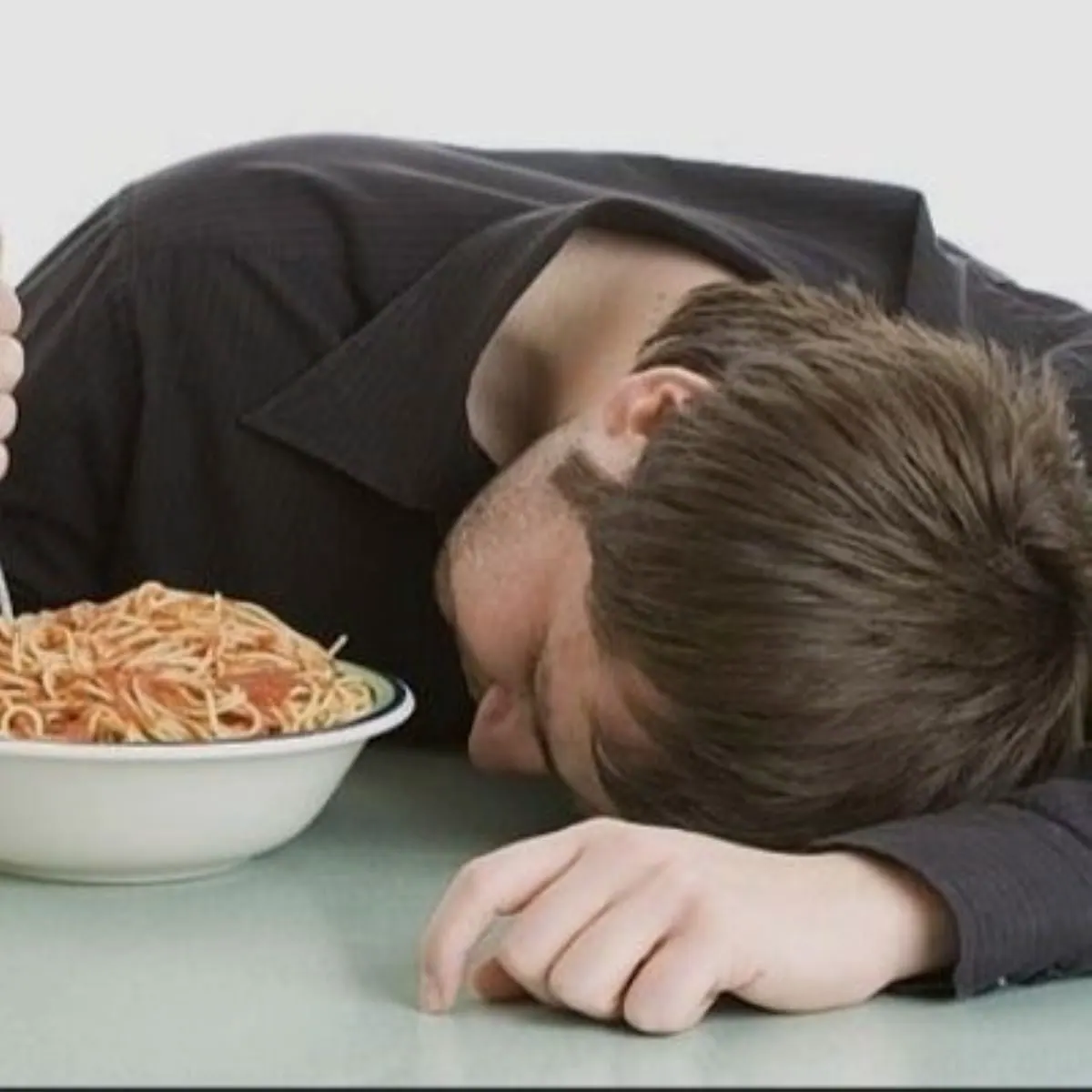
Many people experience drowsiness after meals, particularly after lunch or a large meal. This phenomenon can be attributed to various factors, including the type and amount of food consumed, the body's natural sleep-wake cycle, and certain health conditions. According to experts, eating a heavy meal can cause the digestive system to become active, leading to feelings of fullness, relaxation, and sleepiness.
The composition of a meal can also influence alertness levels. Meals high in refined carbohydrates, such as white rice, bread, and pastries, can cause significant changes in blood glucose and insulin levels. Additionally, fat-rich meals, including fried foods, can leave some individuals feeling sluggish. However, a balanced meal containing protein, fiber, and carbohydrates may affect energy levels differently.
The timing of a meal can also play a role in post-meal sleepiness. The body's internal biological clock, or circadian rhythm, influences alertness and sleepiness. For many people, alertness naturally decreases during the afternoon, which can coincide with the time of a large meal. This natural dip in alertness, combined with the effects of eating, can make it difficult to stay awake.
Insulin resistance is another possible factor contributing to post-meal sleepiness. Insulin helps regulate blood glucose levels, and when cells become less responsive to insulin, the body produces more insulin to compensate. Insulin resistance is closely linked to prediabetes and type 2 diabetes. While feeling sleepy after eating does not necessarily indicate insulin resistance, recurring unusual tiredness after meals may warrant a discussion with a healthcare professional.
A sudden drop in blood sugar levels, also known as reactive hypoglycemia, can cause post-meal tiredness. This condition typically occurs two to five hours after eating and can lead to symptoms such as shaking, sweating, and weakness. If these symptoms persist, they should not be dismissed as normal tiredness.
The consumption of alcohol with a meal can exacerbate post-meal sleepiness. Alcohol has a sedating effect, which can combine with the effects of a large meal to increase drowsiness. However, it is essential to note that alcohol can disrupt normal sleep patterns and may not necessarily lead to better sleep quality.
In some cases, post-meal sleepiness may be a symptom of an underlying health condition, such as iron-deficiency anemia, obstructive sleep apnea, anxiety, or depression. These conditions can cause persistent tiredness, making it essential to address the root cause of post-meal sleepiness rather than just its symptoms.
Key points
- A large or heavy meal can cause post-meal sleepiness due to the digestive system's increased activity.
- The composition of a meal, including the amount of refined carbohydrates and fat, can influence alertness levels.
- Insulin resistance and certain health conditions, such as iron-deficiency anemia and obstructive sleep apnea, can contribute to post-meal sleepiness.