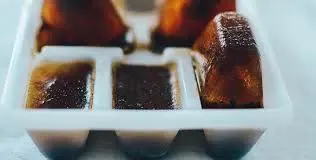
Typically, ice cube trays are associated with freezing water only. However, these small compartments can be used to freeze limited quantities of various cooking ingredients, especially those used in small amounts each time. This method helps divide ingredients into small, easily usable portions, preventing the need to leave a container open in the refrigerator, which can lead to spoilage.
Tomato sauce is one such item that can be frozen in ice cube trays. If leftover tomato sauce remains after cooking, it can be placed in the tray and frozen. Once frozen, the cubes can be transferred to a bag or suitable container for the freezer, labeled with the date and contents. When preparing pasta, sauce, or soup, the required amount can be easily taken out.
Fresh herbs like parsley, coriander, dill, and basil can also be frozen with oil. The herbs can be chopped and placed in the ice cube tray, with a small amount of oil added before freezing. These cubes are suitable for adding to certain dishes during cooking but are best used as cooking ingredients rather than consumed directly after thawing.
Chicken or meat broth can be frozen in ice cube trays for convenient use in recipes. Instead of storing a small amount of broth in a large container, it can be distributed in the tray and frozen into cubes. When preparing rice, soup, or sauce, the required number of cubes can be added directly to the recipe.
Lemon juice can also be frozen in ice cube trays. If there is a quantity of lemons that cannot be used immediately, the juice can be squeezed and distributed in the tray. After freezing, the cubes can be placed in a sealed bag in the freezer and used as needed for marinades, sauces, or drinks.
Garlic or ginger paste can be frozen in small portions, especially if used frequently in cooking. It is best to place each quantity in separate compartments and not leave the tray exposed in the freezer for a long time to prevent the transfer of odors to other foods. After freezing, the cubes can be transferred to a sealed container suitable for the freezer.
Coffee is not just for ice; leftover coffee or excess coffee can be frozen in ice cube trays and used later in cold drinks. This method prevents the addition of regular ice cubes to cold coffee, which can dilute the flavor after thawing. Additionally, small quantities of certain sauces or purees suitable for freezing can be frozen, allowing for easy control over the amount used.
Key points
- Freezing household items like tomato sauce, fresh herbs with oil, and lemon juice can save time and effort in the kitchen.
- Using ice cube trays to freeze small portions of ingredients can prevent food waste and make meal preparation more efficient.
- Labeling and dating frozen items is crucial for maintaining food safety and ensuring that items are used within a reasonable timeframe.