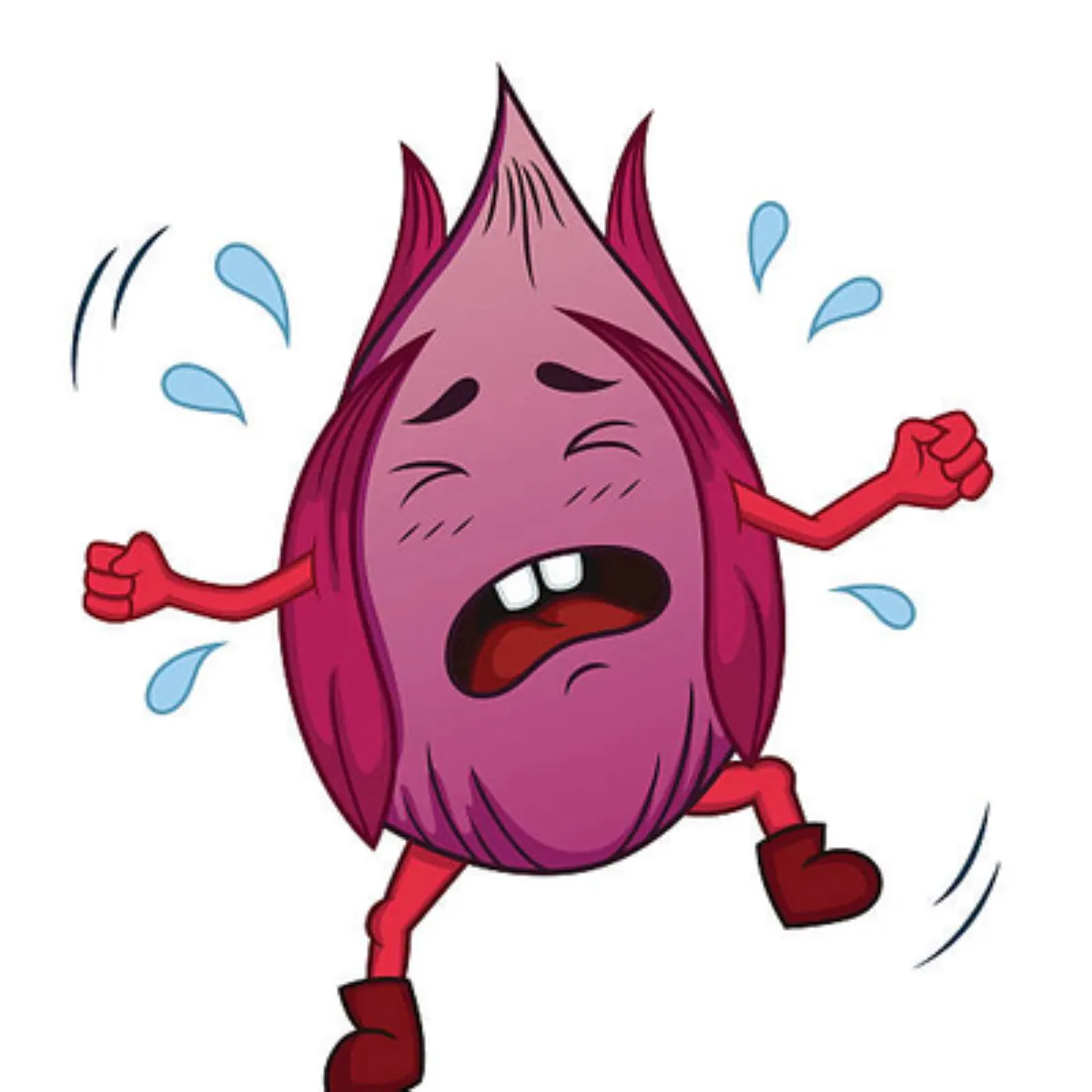
Chemistry is often perceived as a complex science that only occurs in laboratories with white coats and test tubes. However, it is present in our daily lives, and its applications can be seen in various everyday things. From the kitchen to the bathroom, chemistry plays a significant role in how things work. For instance, when you slice an onion, it releases a gas that makes you cry. This is a chemical reaction that occurs when the onion's cells are damaged.
Onions contain two separate ingredients that are kept apart until the onion is sliced. When the onion is cut, these ingredients mix and form a stinging gas that rises to the eyes, causing tears. This reaction is not a result of the onion's strength but rather a chemical reaction between the two ingredients. Similarly, bread rising is a result of a chemical reaction involving yeast, a microorganism that consumes sugar and produces carbon dioxide gas as a byproduct.
The carbon dioxide gas produced by yeast gets trapped in the dough, causing it to rise. This is why bread becomes soft and fluffy after baking. Another everyday thing that involves chemistry is cut fruit turning brown. When an apple is cut, its cells are damaged, and two chemicals inside the apple react to form a brown pigment. This reaction occurs when the apple's cells come into contact with oxygen in the air.
The browning of cut fruit can be slowed down by applying lemon juice, which contains an acid that inhibits the reaction. Soap is another everyday thing that relies on chemistry to clean. Soap molecules have two ends, one that loves water and another that loves oil and grease. When soap is applied to dirty skin, the oil-loving end grabs onto the grease and dirt, while the water-loving end sticks to water, allowing the dirt to be washed away.
Rust is a chemical reaction that occurs when metal comes into contact with water and oxygen. When iron rusts, it loses its electrical particles to oxygen, causing it to weaken and turn into a reddish-brown flaky substance. This is why metal objects tend to rust more quickly when exposed to moisture. Ice floating on water is another example of chemistry in action. When water freezes, its particles arrange themselves in a spread-out pattern, making ice less dense than liquid water.
This is why ice floats on top of water instead of sinking to the bottom. The same principle applies to frozen lakes, where fish can survive underneath the ice while the surface remains frozen. Zobo, a popular Nigerian drink, also involves chemistry in its color change when lemon or lime is added. The petals used to make zobo contain a pigment that changes color in response to acidity.
When lemon or lime is added to zobo, the acidity causes the pigment to change color, turning it a deeper red. This is a simple chemistry experiment that can be observed in everyday life. These examples illustrate how chemistry is present in various aspects of our daily lives, from cooking and cleaning to personal care and food preparation.
Key points
- Chemistry is present in everyday things like onions, bread, and soap.
- Chemical reactions occur when onions are sliced, bread is baked, and fruit is cut.
- Understanding chemistry can help us appreciate the world around us and make informed decisions about our daily lives.