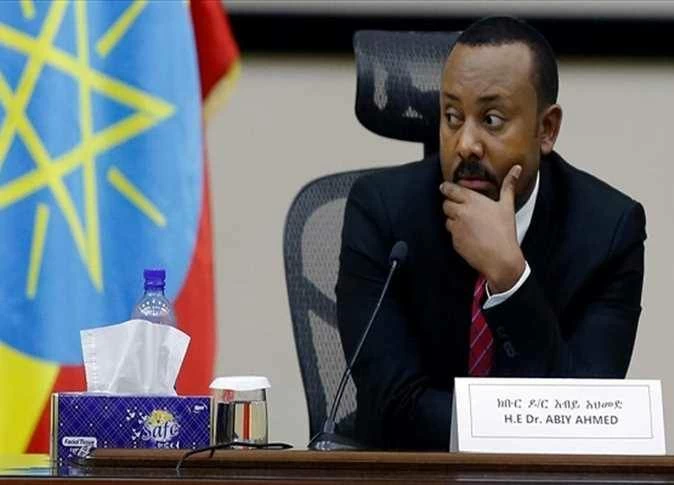
In a significant development, seven Ethiopian opposition armed groups have announced the formation of a new coalition to challenge the government of Prime Minister Abiy Ahmed. The alliance, according to Emmanuel Asifa, deputy head of the Tigray Liberation Front, aims to overthrow the government and pave the way for a transitional administration. The coalition comprises seven armed organizations, including the Tigray forces, Amhara's Fano militia, and the Oromo Liberation Army.
The announcement comes after several armed groups revealed efforts to coordinate their actions against the federal government in August and September, amidst ongoing fighting in Amhara and Oromia, as well as escalating tensions in Tigray. The new alliance seeks to bring together forces active in different parts of the country under a unified framework. This development has significant implications for the country's stability and the government's ability to address the growing security challenges.
In August, Fano leader Zemene Kase announced that his movement's factions had unified under a single leadership, stating that groups representing various ethnicities and regions had formed an alliance to coordinate their actions against Abiy Ahmed's government. Meanwhile, the Oromo Liberation Army confirmed on September 17 that a broader cooperation among armed opposition forces was taking shape, although it clarified that this did not represent a comprehensive political agreement.
The declaration of the new alliance coincides with continued clashes in western Oromia, where confrontations between armed groups and government forces have intensified in recent weeks. On September 17, the Oromo Liberation Army emphasized that there were differences between the broader cooperation among armed opposition forces and the groups they were fighting in the Wollega region, calling on Amhara factions to clarify their stance on a local armed group.
These tensions are occurring in an area that has witnessed repeated confrontations between armed groups from Oromo and Amhara, as well as government forces, over the past few years. According to reports, at least 14 people were killed and 10 others abducted in a recent attack by an armed group in central Ethiopia. The Fano militia began its rebellion against the government in April 2023, with several factions consolidating under more coordinated leadership in recent months.
On September 18, the Ethiopian government announced that around 300 Tigray People's Liberation Front fighters had surrendered to federal forces, with the military stating that over 280 individual and collective firearms, as well as quantities of ammunition, had been handed over. However, Emmanuel Asifa declined to comment on such military matters. The recent developments suggest a shift in the dynamics of the conflict, with various armed groups exploring more extensive cooperation against the government.
The formation of this new alliance and the ongoing clashes highlight the complexities and challenges facing the Ethiopian government in maintaining stability and addressing the concerns of various armed groups. The situation remains volatile, with the potential for further escalation and humanitarian consequences. The international community is closely monitoring the developments, and there are concerns about the impact on regional stability and security.
Key points
- The new alliance of seven armed groups aims to overthrow the Ethiopian government and facilitate a transitional administration.
- The coalition comprises groups active in different parts of Ethiopia, including Tigray forces, Amhara's Fano militia, and the Oromo Liberation Army.
- The development comes amidst ongoing fighting in Amhara and Oromia, as well as escalating tensions in Tigray.