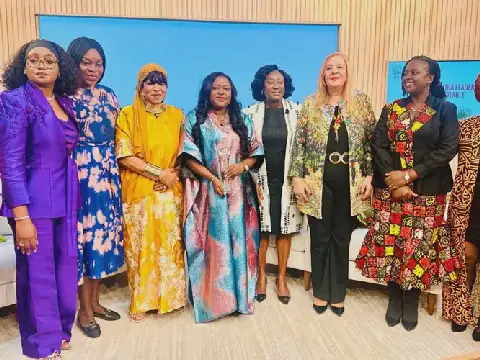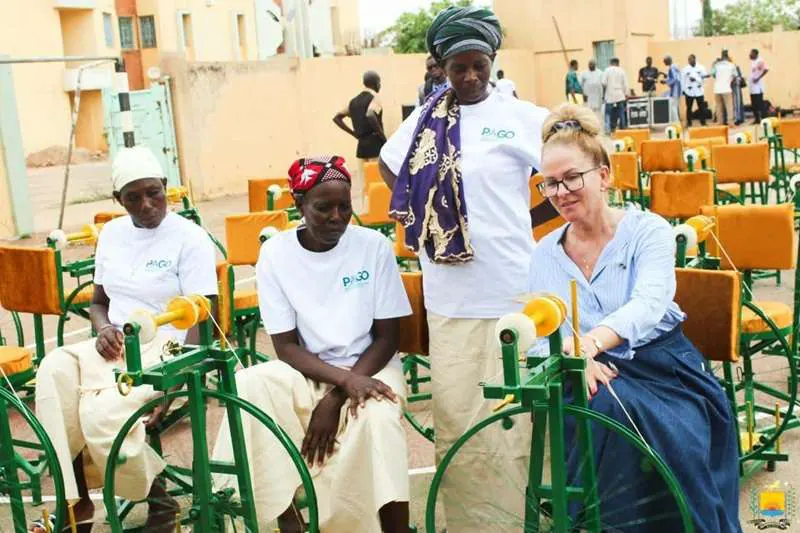
The PAGO project, which aims to support urban economic growth and metropolitan governance in Ouagadougou, has provided training and equipment to 600 women from nine communes. The training, which lasted for one month, covered textile trades such as dyeing and weaving. The women, selected from nearly 3,000 applicants, received certificates and equipment to help them start their own businesses.
The project, supported by the European Union, aims to strengthen the economic autonomy of women and promote their professional integration. According to Inga Stefanowicz, head of partnerships at the European Union in Burkina Faso, the initiative is part of the EU's commitment to providing better conditions for sustainable socio-economic development.
The trained women are from nine communes in the Grand Ouaga intercommunality, including Loumbila, Koubri, Komsilga, Saaba, Pabré, Komki-Ipala, Tanghin-Dassouri, Soungouliba, and Bingo. The equipment provided will enable them to pursue their activities and develop their skills. The project also aims to help the women gain autonomy and become entrepreneurs.
The ceremony to award certificates and equipment to the trained women was attended by several officials, including Maurice Konaté, president of the Ouagadougou special delegation. Konaté emphasized the importance of supporting women in their income-generating activities, saying that investing in women also supports the national economy.
Livingstone Guétaouindé Saba, representative of the Minister of Family and Solidarity, also praised the initiative and reaffirmed his commitment to accompanying actions that promote women's empowerment. The project aims to help women move from dependence to autonomy and from learning to entrepreneurship.
One of the beneficiaries, Dadidiatou Kaboré/Kanfando, said that the training has given her new skills in dyeing and weaving. She believes that the training will enable her to work and better provide for her family's needs. The project aims to contribute to the sustainable development of women's skills and economic growth.
The PAGO project is a significant initiative that aims to promote economic growth and women's empowerment in Ouagadougou. With the support of the European Union, the project has provided training and equipment to 600 women, enabling them to start their own businesses and become economically independent.
Key points
- The PAGO project has trained 600 women in textile trades, providing them with certificates and equipment to start their own businesses.
- The project aims to promote women's economic autonomy and professional integration, with the support of the European Union.
- The trained women are from nine communes in the Grand Ouaga intercommunality, and the project aims to contribute to sustainable economic growth and women's empowerment.