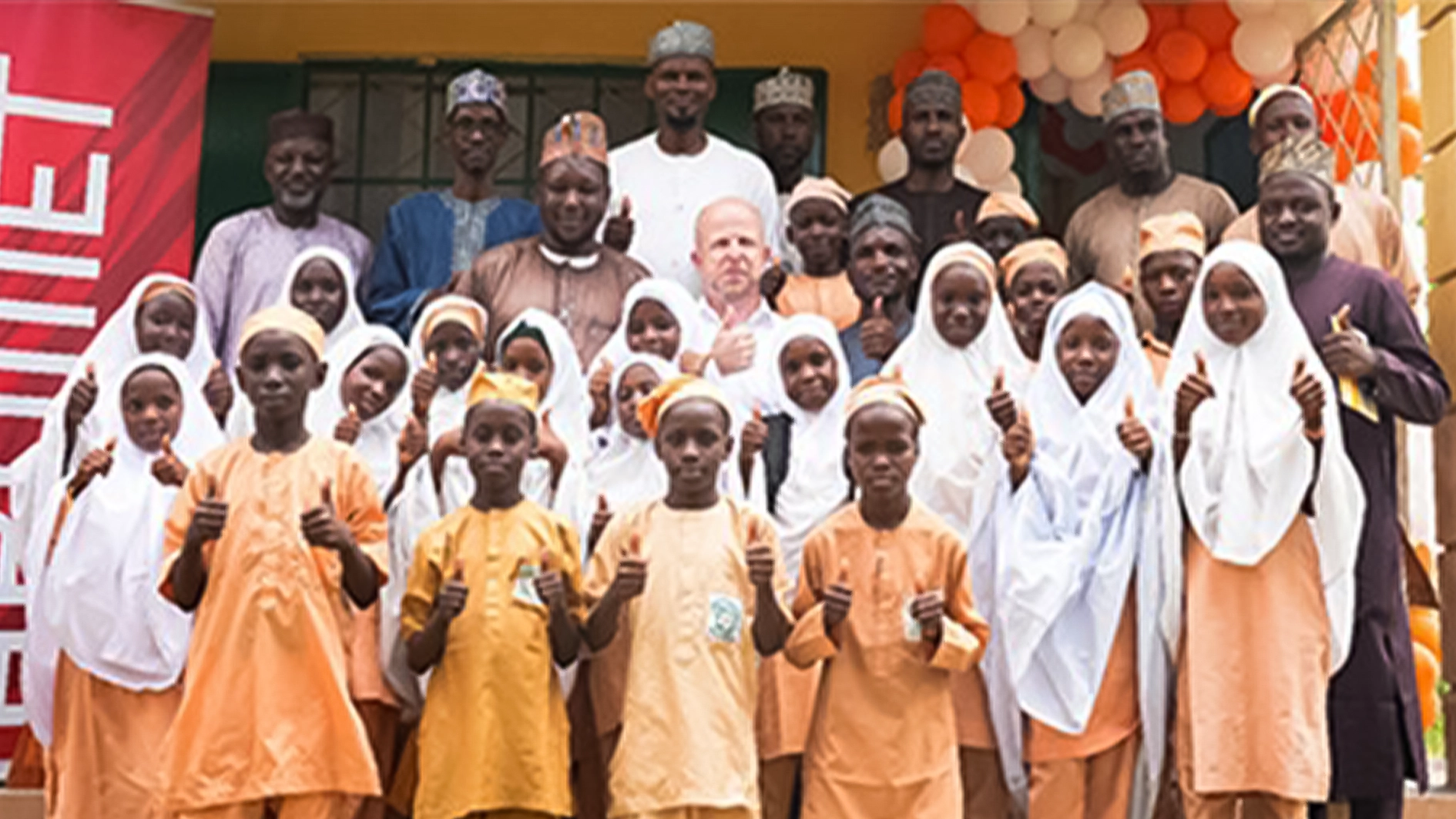
Hundreds of pupils at Race Course Model Primary School in Kano can now access digital learning tools, thanks to a new ICT centre opened by Nigeria's glass and aluminium solutions company, ABUMET. The centre, equipped with 24 desktop computers, solar-powered electricity, and new classroom furniture, aims to provide practical exposure to digital technology for about 600 pupils. This initiative is part of ABUMET's corporate social responsibility (CSR) effort to bridge the digital divide and ensure that children have access to quality learning tools.
The ICT centre is expected to have a significant impact on the pupils' computer education, with many of them having their first meaningful encounter with digital learning. The centre will enable pupils to learn to type, calculate, create documents, and explore the possibilities of the digital world. ABUMET General Manager, Diemo Schillack, said the project was conceived to help bridge the digital divide and ensure that children are not left behind in an increasingly technology-driven world.
According to Schillack, early exposure to technology can influence a child's educational journey, build confidence, and create opportunities beyond the classroom. He added that technology is now part of everyday life, and introducing young learners to digital tools early gives them a stronger foundation for their education and future careers. Schillack expressed appreciation for the warm reception from the pupils and teachers, describing their enthusiasm as inspiring.
The Head Teacher of Race Course Model Primary School, Salisu Alhassan, described the intervention as a major boost to the school's educational resources. He appreciated ABUMET for this remarkable contribution to the school, saying the computers, solar power facilities, and furniture would improve teaching and learning, particularly in digital literacy. The school has a large enrolment, with pupils divided into smaller groups to ensure that every child has an opportunity to participate in practical computer lessons.
The programme is designed to achieve more than basic computer literacy, with pupils learning to use applications such as Microsoft Office, while acquiring practical skills in writing, calculations, record-keeping, and information management. Computer education becomes progressively more advanced from Primary Four to Primary Six, enabling pupils to build their digital competence before proceeding to secondary school.
One of the key features of the project is the solar-powered energy system installed to provide reliable electricity for the ICT centre. This arrangement is expected to allow pupils to use the computers and digital learning resources without interruptions caused by unreliable power supply. The intervention underscores the potential of partnerships between businesses and educational institutions in expanding access to technology and improving learning opportunities.
For the pupils of Race Course Model Primary School, the new centre offers them a chance to become familiar with a technology that increasingly shapes education, work, and everyday life—and to begin building the skills they will need for the future. ABUMET plans to return within a year to assess the pupils' progress and the impact of the centre. The company remains committed to education and community development.
Key points
- ABUMET's ICT centre provides 600 Kano pupils with digital learning tools and practical exposure to technology.
- The centre aims to bridge the digital divide and ensure that children have access to quality learning tools.
- The project includes a solar-powered energy system to provide reliable electricity for the ICT centre.