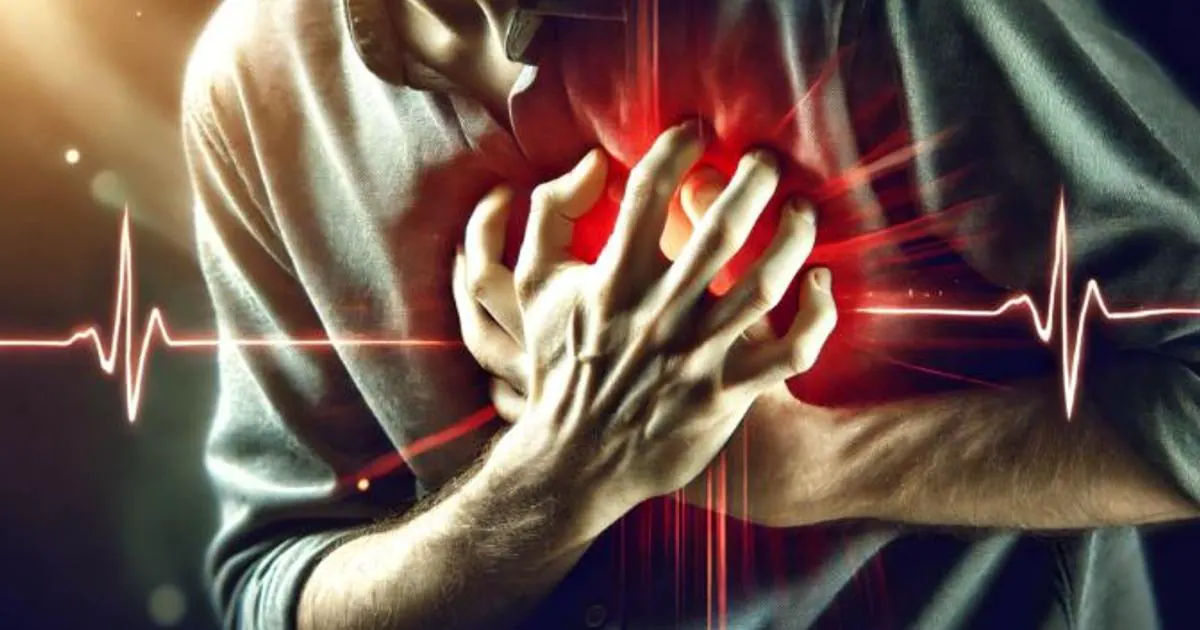
Heart attacks occur when blood flow to the heart muscle is suddenly blocked, depriving it of oxygen. According to the World Health Organization (WHO), timely recognition and emergency care can significantly improve survival and recovery chances. The WHO reports that Ischaemic heart disease, responsible for most heart attacks, caused about 9 million deaths globally in 2021.
Chest discomfort is a common heart attack symptom, often described as pressure, tightness, squeezing, or fullness in the chest center. This discomfort may last several minutes or come and go. Notably, chest pain may not always be extremely painful, and its absence does not rule out a heart attack. Women, older adults, and people with diabetes may experience less typical symptoms.
Heart attack pain can radiate to other areas, including one or both arms, shoulders, neck, jaw, or back. The WHO lists pain or discomfort in these areas as potential warning signs. Additionally, shortness of breath can be a symptom, occurring with or without chest discomfort. Unexplained difficulty breathing should not be dismissed.
Nausea or vomiting can accompany a heart attack, often mistaken for a stomach problem, especially without obvious chest pain. The WHO notes that women are more likely to experience nausea, vomiting, shortness of breath, and back or jaw pain. Dizziness or feeling faint can also be a symptom, particularly when occurring suddenly alongside other symptoms.
Cold sweats, unusual tiredness, or looking pale can occur during a heart attack. Some individuals, especially women, older adults, and people with diabetes, may experience unusual fatigue, breathlessness, or indigestion-like discomfort instead of typical chest symptoms. Recognizing these less typical presentations is crucial.
If a heart attack is suspected, emergency medical attention is necessary. The WHO stresses that early recognition and quick emergency care can improve survival and recovery chances. It is essential not to try to diagnose oneself based on a single symptom, as different conditions can cause similar symptoms.
Many heart attacks can be prevented by addressing major risk factors, such as avoiding tobacco, eating a healthy diet, staying physically active, limiting alcohol use, and managing conditions like high blood pressure and high cholesterol. By knowing the warning signs, taking symptoms seriously, and managing heart-health risk factors, individuals can make a difference.
Key points
- Recognizing heart attack symptoms early can save lives.
- Chest discomfort, pain radiating to other areas, and shortness of breath are common heart attack symptoms.
- Early recognition and emergency care can significantly improve survival and recovery chances.