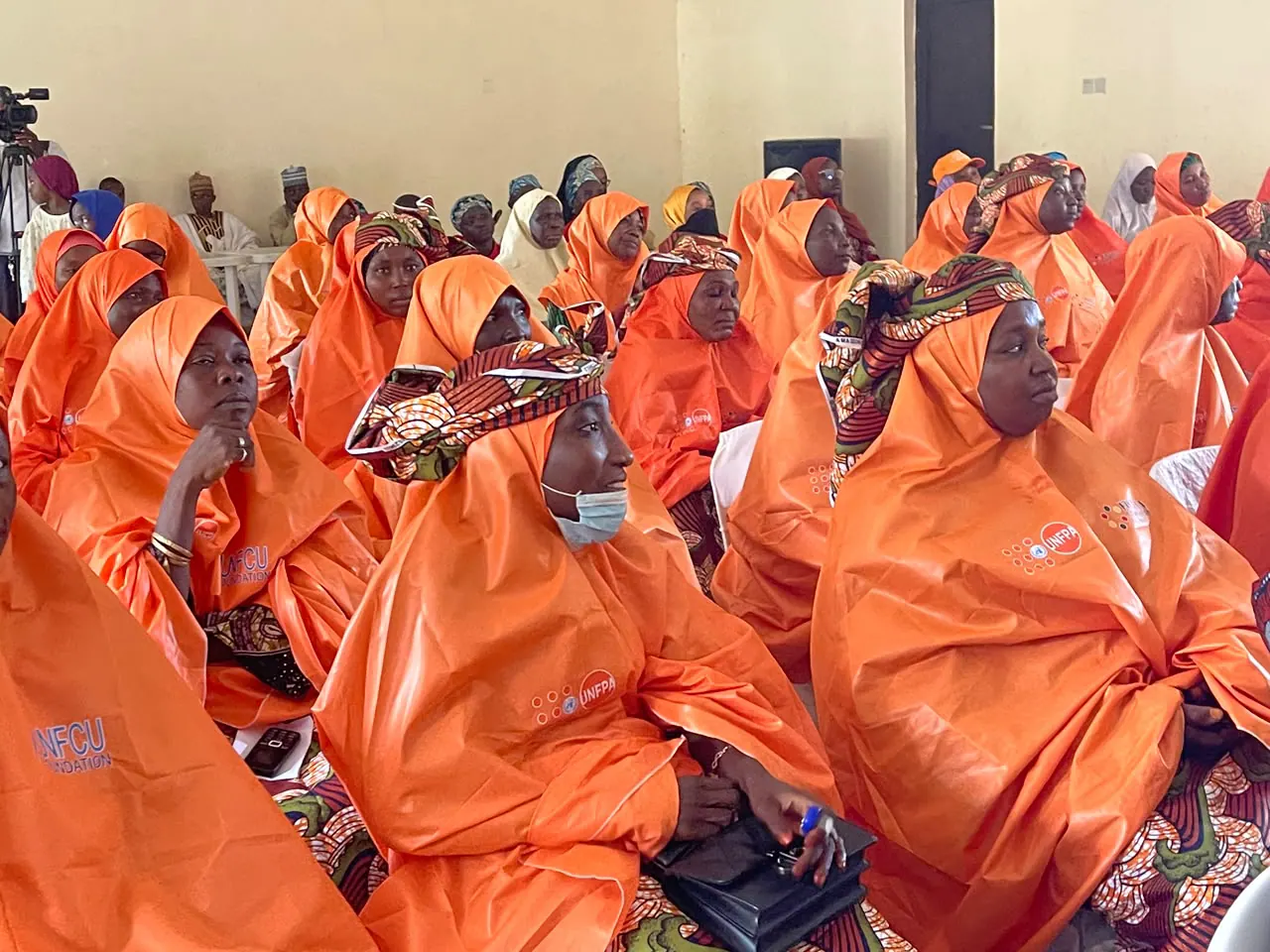
For years, vesicovaginal fistula (VVF) had a profound impact on the lives of 58 women in Kaduna, Nigeria, causing pain, emotional distress, stigma, and social isolation. However, after undergoing successful surgical repairs, the women have begun another phase of recovery through skills acquisition and economic empowerment. At a graduation ceremony in Kaduna, the beneficiaries received skills training and starter packs aimed at helping them rebuild their livelihoods and reintegrate into their families and communities.
The 58 women, who had been living with VVF, had undergone successful surgical repairs before participating in skills acquisition programs across the state. According to the Kaduna State Ministry of Women Affairs and Social Development, the intervention is part of a wider expansion of fistula care in Kaduna. The ministry combined medical treatment with rehabilitation and skills acquisition to ensure the women had a chance at a new life.
Rahma Ibrahim, one of the beneficiaries, expressed appreciation to the Kaduna State Government and its development partners for providing free treatment and skills training. She said the intervention restored her confidence and hope, allowing her to look forward to a brighter future. Similarly, Khadija Yusuf, another beneficiary, said living with VVF was painful and emotionally difficult, but the treatment and subsequent skills training had given her an opportunity to rebuild her life and work towards becoming economically self-reliant.
The experiences of the 58 women reflect the wider burden of obstetric fistula in Nigeria, where an estimated 114,048 women and girls are living with the condition, and about 12,000 new cases occur annually, according to the UN Population Fund (UNFPA). VVF is a childbirth-related injury that occurs when prolonged or obstructed labour damages tissue between the birth canal and bladder, resulting in continuous leakage of urine.
The treatment gap for fistula remains significant in Nigeria, with about 20 dedicated fistula treatment centers, having the capacity to provide surgical care to about 5,000 women annually. At that rate, it would take about 30 years to clear the existing backlog of women requiring surgery, assuming no new cases occur. However, the Kaduna State Ministry of Women Affairs and Social Development, in partnership with UNFPA and other stakeholders, is working to address this gap.
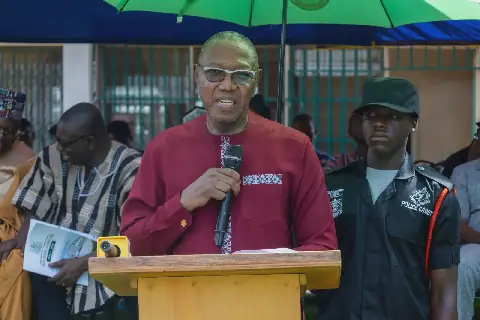
Kaduna State Deputy Governor, Dr Hadiza Balarabe, who spoke at the graduation ceremony, said the occasion marked a celebration of healing, recovery, and renewed hope for the beneficiaries. She emphasized that successful surgical repair should be followed by measures to restore the confidence, dignity, social acceptance, and economic independence of women affected by fistula. The deputy governor also urged stakeholders to strengthen awareness of fistula, improve access to quality maternal healthcare, and promote skilled attendance during pregnancy and childbirth.
The beneficiaries will form a cooperative society under the ministry to promote mutual support and economic development. The Executive Director of Fistula Foundation Nigeria, Mr Musa Isa, who represented UNFPA, said progress had been recorded in the prevention, treatment, and rehabilitation of women affected by fistula. He urged the women to use the skills and empowerment packages provided to them and remain united in supporting one another.
Key points
- The Kaduna State Government and its development partners provided free treatment and skills training to 58 women who had been living with VVF.
- The intervention aims to help the women rebuild their livelihoods and reintegrate into their families and communities.
- Nigeria has an estimated 114,048 women and girls living with obstetric fistula, with about 12,000 new cases occurring annually.