The City of Cape Town is set for an unprecedented Municipal Local Government Election on November 4, 2026, with 55 political parties and 10 independent candidates contesting for leadership. The Electoral Commission of South Africa (IEC) has certified the final candidate lists, confirming a packed ballot for voters. Due to the large number of contestants, the IEC will use a double-column ballot paper for the Proportional Representation (PR) vote to accommodate all parties.
The Democratic Alliance (DA), the governing party in Cape Town, is fielding incumbent Mayor Geordin Hill-Lewis for a second term. Their campaign focuses on infrastructure investment, energy resilience, grid independence, and municipal service delivery. Other major players include the African National Congress (ANC), which is seeking to challenge the DA's dominance, and the Economic Freedom Fighters (EFF), which is campaigning on radical land redistribution and free municipal service provision.
The ANC's candidate lists feature prominent regional union leaders and community activists, including former MP Faiez Jacobs and Motlatsi Tsubane. The EFF's mayoral push is being led by MP Nontando Nolutshungu. Other parties, such as the GOOD Party, led by Patricia de Lille, and the Patriotic Alliance (PA), led by Gayton McKenzie, are also contesting the elections. The GOOD Party is focusing on social spatial justice, public transit expansions, and affordable urban housing.
In addition to the major parties, newer national movements like Rise Mzansi and Build One South Africa (BOSA) are bringing issue-driven local governance agendas to the fore. These parties are focusing on youth employment, transparent budgeting, and civic-led municipal service oversight. The African Christian Democratic Party (ACDP) is championing family-centric governance, anti-corruption policies, and faith-aligned social programs.
Independent candidates are also contesting the localized Ward elections without party affiliation. These community leaders, including Elton Pienaar, Steve Gordon, and Ross Sithembile, rely directly on individual voting support in their specific geographic wards rather than proportional representation. Voters will need to verify their voting station location and ensure they have the necessary identification documents to cast their votes.
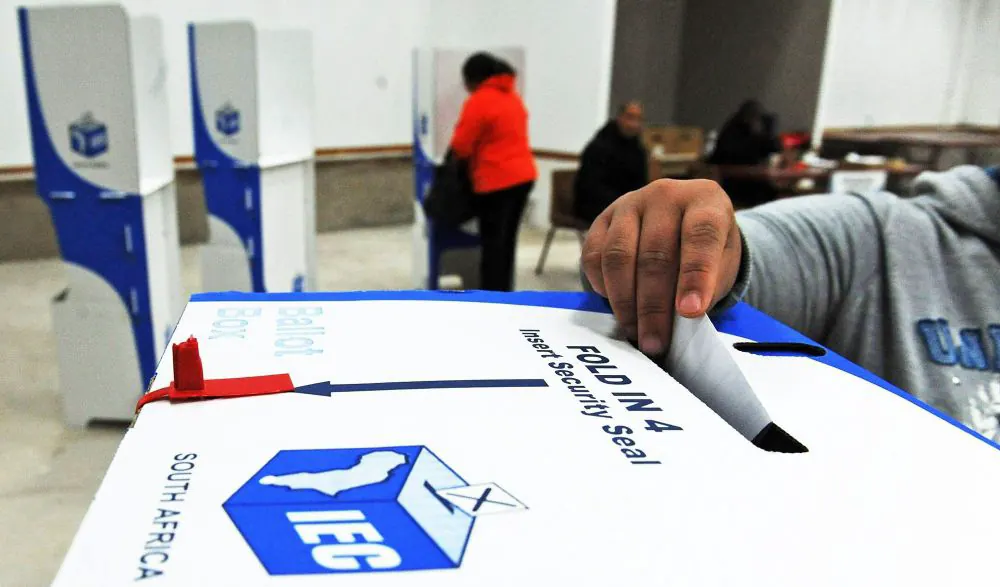
The local government elections will take place on Wednesday, November 4, 2026, with metropolitan voters in Cape Town receiving two ballots: a Ward ballot and a PR ballot. The PR ballot will feature a double-column format to accommodate the 55 certified parties. Voters must vote at their registered voting station and present a valid green barcoded South African ID book, a smartcard ID, or a valid Temporary Identity Certificate (TIC).
The elections will be a crucial moment for Cape Town, with voters navigating a complex ballot and multiple choices for leadership. The IEC has provided various channels for voters to check their registered voting station and access information about the elections, including an SMS service, a website portal, and a toll-free line.
Key points
- 55 political parties and 10 independent candidates will contest the Cape Town Local Government Elections on November 4, 2026.
- The Democratic Alliance (DA) is fielding incumbent Mayor Geordin Hill-Lewis for a second term, focusing on infrastructure investment and municipal service delivery.
- Voters will receive two ballots and must vote at their registered voting station with valid identification documents.