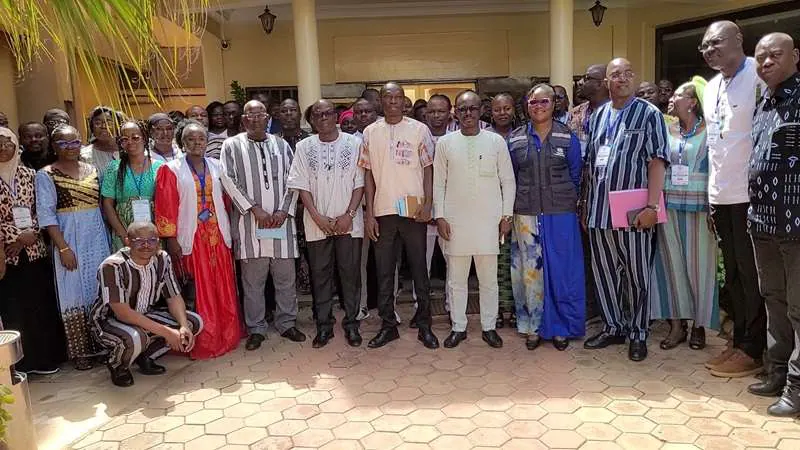
The 4th edition of the practical phase of the Inter-University Diploma in Viral Hemorrhagic Fevers, Arboviruses, and Emerging and Re-Emerging Epidemics in Africa (DIU-FHV) commenced on September 28, 2026, in Ouagadougou, Burkina Faso. The program aims to equip participants with the skills and knowledge necessary to respond effectively to epidemics and public health emergencies. A total of 52 learners from 7 West African countries are participating in the program, which features a diverse range of professionals, including military and civilian doctors, epidemiologists, and infectious disease specialists.
The participants will spend two weeks, from September 28 to October 10, 2026, engaging in simulations, case studies, group activities, and experience-sharing exercises to deepen their understanding of epidemic response. The program is designed to build on the theoretical knowledge gained in the first phase, with a focus on practical skills and fieldwork. The training is being conducted by the University of Joseph Ki-Zerbo and the University of Paris-Sorbonne Nord, and comprises eight modules spread over 242 hours, including 172 hours of distance learning and 70 hours of in-person instruction.
Professor Ismaël Diallo, coordinator of the DIU-FHV, emphasized the importance of the program in addressing the recurring epidemics in Africa, particularly in Burkina Faso. He noted that the country is on high alert for dengue fever, while the Democratic Republic of Congo is battling Ebola. The program aims to provide the African health system with qualified human resources capable of responding to health challenges. Diallo stressed that the availability of skilled personnel is crucial in responding quickly and effectively to health crises.
The World Health Organization (WHO) has expressed its support for the program, citing the need for trained epidemiologists to combat emerging and re-emerging diseases. According to WHO statistics, as of September 25, 2026, there were over 7,890 confirmed Ebola cases and 3,790 deaths recorded in the Democratic Republic of Congo, with a fatality rate of 48%. Dr. Inès Evelyne Da, WHO representative in Burkina Faso, reaffirmed the organization's commitment to supporting the country in responding to health emergencies.
Dr. Sylvestre Tiendrebeogo, representative of the Minister of Health, urged the participants to apply their new skills to serve patients and contribute to better preparedness and response to epidemics. He emphasized that the sacrifice of healthcare professionals is essential in responding to health crises. Since 2023, the DIU-FHV has trained over 100 experts, and the current program aims to build on this success.
The program features a diverse range of participants, including journalists and emergency response officials, in addition to medical professionals. The organizers believe that this diversity will enhance the learning experience and foster collaboration among different stakeholders. The training program is designed to equip participants with the skills and knowledge necessary to respond effectively to epidemics and public health emergencies.
The DIU-FHV program is a critical initiative in building a resilient health system in Africa, capable of preventing, detecting, and responding to health risks. The program's focus on practical skills and fieldwork will enable participants to respond effectively to health crises, and the WHO's support underscores the importance of this initiative. With over 100 experts trained since 2023, the program is making a significant contribution to Africa's health security.
Key points
- 52 health professionals from 7 African countries are attending a training program in Ouagadougou to enhance their response to epidemics and public health emergencies.
- The program aims to equip participants with practical skills and knowledge to respond effectively to epidemics and public health emergencies.
- The World Health Organization has expressed its support for the program, citing the need for trained epidemiologists to combat emerging and re-emerging diseases.