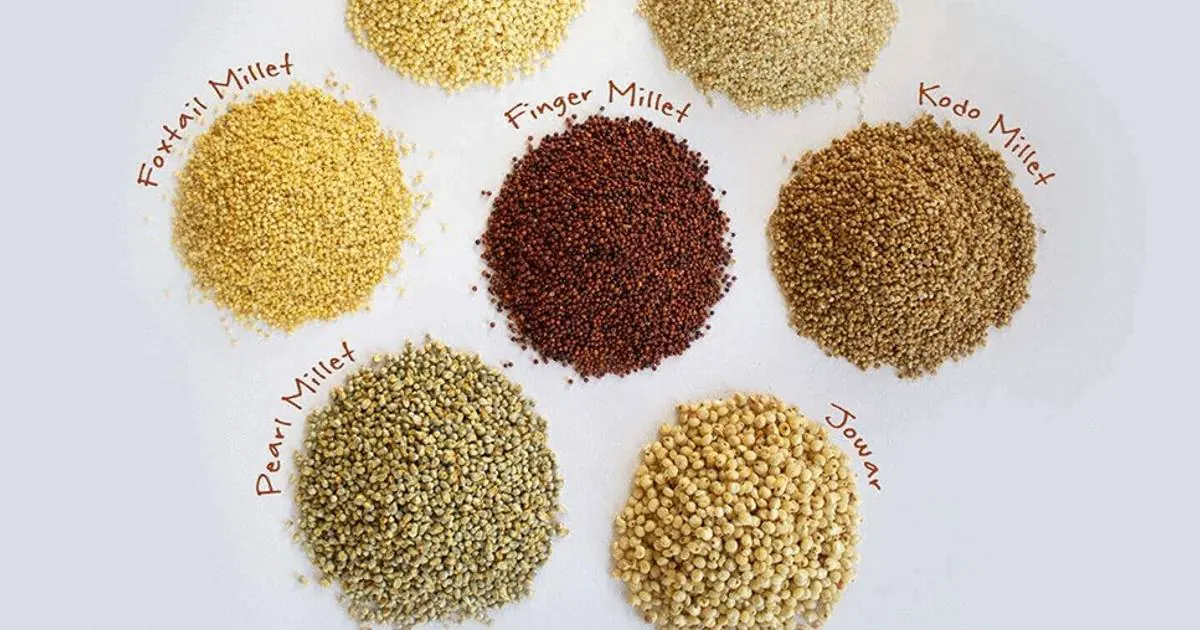
Millet is a traditional grain in Ghana and other parts of Africa, offering numerous health benefits due to its richness in fibre, essential minerals, and complex carbohydrates. The grain provides important nutrients such as magnesium, phosphorus, iron, and zinc, which play different roles in the body, from supporting energy production and bone health to contributing to normal immune function. A diet rich in millet can support overall health and well-being.
One of the key health benefits of millet is its ability to support healthy digestion. The grain contains dietary fibre, which helps regulate bowel movements and prevent constipation. Including fibre-rich foods like millet in meals can contribute to a healthier digestive system. Fibre also helps maintain healthy gut bacteria, which is essential for a strong immune system.
Millet is also an excellent source of essential minerals, including magnesium, phosphorus, iron, and zinc. These minerals are crucial for various bodily functions, such as energy production, bone health, and immune function. Magnesium, for instance, helps regulate muscle and nerve function, while phosphorus is essential for the formation of bones and teeth.
In addition to its nutritional benefits, millet can also support heart health. As a whole grain, millet provides dietary fibre and minerals that can help lower cholesterol levels and blood pressure. Replacing refined grains with whole grains like millet can contribute to a healthier overall eating pattern and reduce the risk of chronic diseases such as heart disease.
Millet can also help with blood sugar management due to its complex carbohydrates and fibre content. The grain's fibre helps slow down the digestion and absorption of carbohydrates, which can influence blood sugar levels. Some types of millet have been studied for their potential to produce a lower blood sugar response than certain refined grains.
Another significant benefit of millet is that it is naturally gluten-free, making it an excellent option for people with coeliac disease or those who need to avoid gluten. However, individuals who must strictly avoid gluten should check how millet has been processed or prepared to reduce the risk of cross-contamination.
Overall, millet is a nutritious addition to a balanced diet, providing a combination of carbohydrates, fibre, and essential nutrients. Whether eaten as porridge or incorporated into other meals, millet can be prepared in various ways to support overall health and well-being. Its numerous health benefits make it an excellent choice for individuals looking to incorporate more whole grains into their diet.
Key points
- Millet supports healthy digestion due to its high fibre content.
- The grain provides essential minerals such as magnesium, phosphorus, iron, and zinc.
- Millet is naturally gluten-free, making it an excellent option for individuals with dietary restrictions.