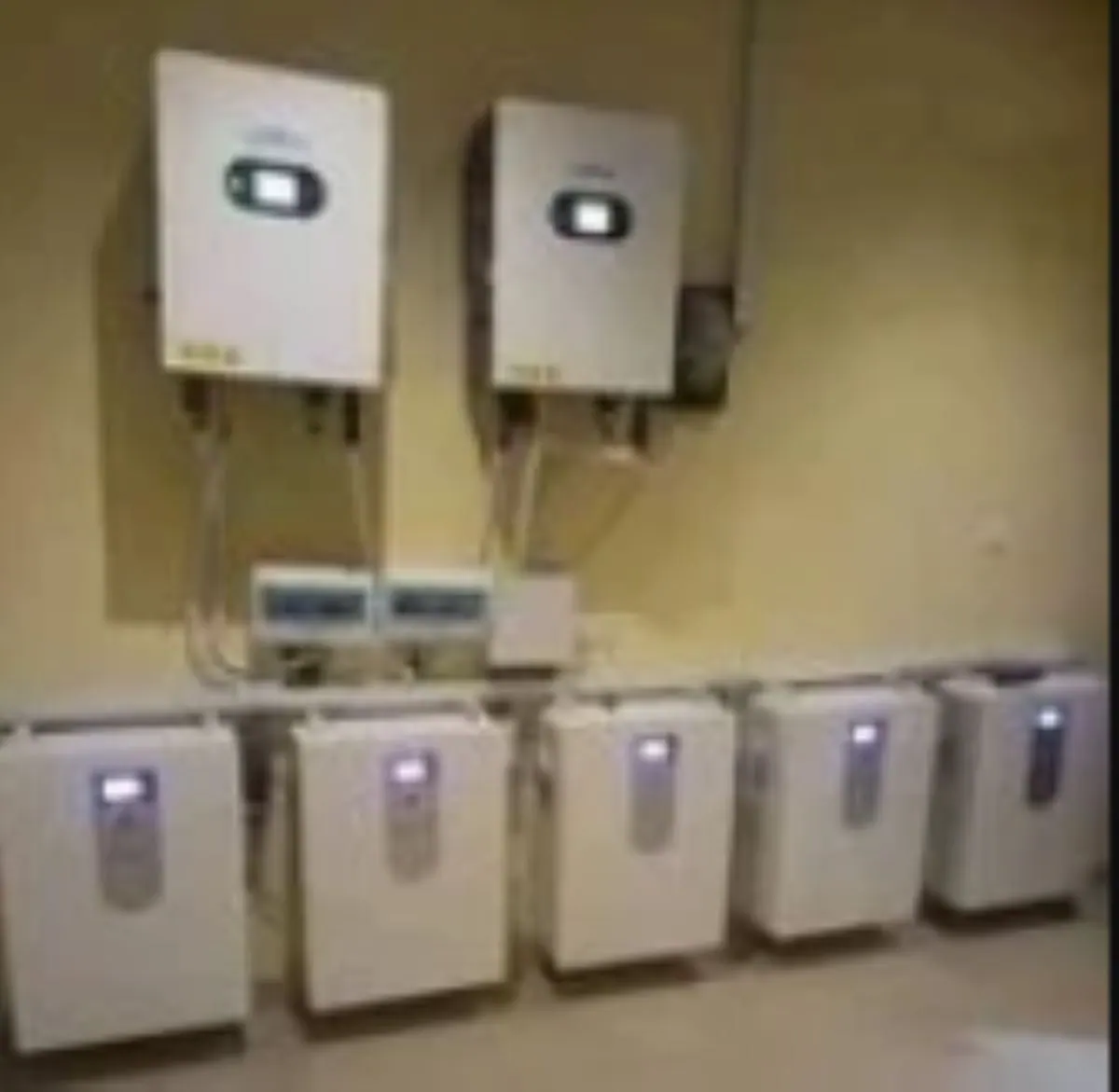
In Nigeria, investing in an inverter and battery setup has become necessary due to frequent national grid collapses and epileptic power supply. However, setting up this system requires significant financial sacrifice, and a single mistake can blow up the internal circuit board or ruin expensive batteries within seconds. A power surge happens when voltage spikes well beyond normal limits, either when public power is suddenly restored or when an inductive device kicks in.
Refrigerators and deep freezers use heavy compressors that demand up to three times their normal operating electricity just to turn on. When grid power returns with high voltage while the freezer is actively trying to run on the inverter, the compressor creates an aggressive reverse current. According to technical reports, inductive loads like refrigeration units draw massive inrush current that quickly overwhelms an inverter’s MOSFET transistors.
Electric pressing irons draw between 1,000 watts and 2,400 watts of raw resistive heating power. Running an iron while erratic power enters the house creates an immediate bridge for high-voltage spikes to travel straight into the inverter board. The heating coil in the iron constantly clicks on and off via its thermostat to regulate temperature, creating mini-surges that strain the inverter transformer.
Pumping machines and borehole submersible pumps carry large electric motors that pull tremendous startup surge power. When a power fluctuation hits while a pumping machine is connected, the mechanical resistance of lifting water forces the motor to draw dangerous amounts of current. Field data highlights that inductive electric motors produce substantial electrical noise and back-electromotive force during sudden switching.
Kitchen appliances such as electric boiling kettles, toasters, and microwave ovens consume enormous amounts of wattage within brief bursts of time. Microwaves rely on high-voltage transformers and magnetrons that require stable, clean sine waves to function safely without generating dangerous line feedback. When public power fluctuates wildly, the rapid change in electrical frequency causes the microwave components to pull erratic amperage.
Air conditioners represent one of the heaviest loads found in standard modern homes, particularly non-inverter models with conventional piston compressors. When the grid drops and the system switches back and forth between inverter mode and mains supply, the compressor faces severe phase conflict. This sudden interruption forces the compressor to stall against high internal gas pressure, causing current draw to skyrocket to catastrophic levels.
Protecting your power setup demands strict discipline in managing your home wiring. Hire a certified electrician to physically separate your distribution box into inverter-dedicated circuits and heavy-load circuits. Install a quality digital surge protector and automatic voltage regulator on your main changeover switch, and always turn off switches at the wall socket during total blackouts before going to sleep or leaving the home.
Key points
- Heavy appliances such as air conditioners, freezers, boiling kettles, and water pumps must bypass the inverter entirely.
- Installing a quality digital surge protector and automatic voltage regulator can prevent raw electrical spikes from reaching the inverter terminal.
- Separating distribution boxes into inverter-dedicated circuits and heavy-load circuits can protect your inverter setup.