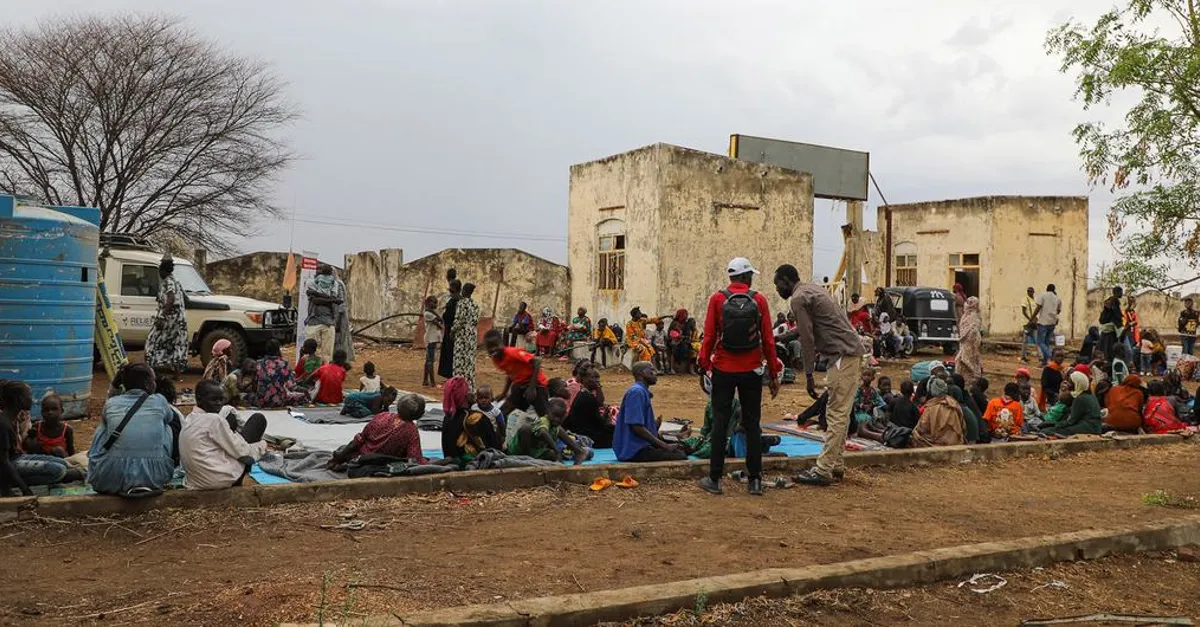
The UN's Food and Agriculture Organization (FAO) has warned that over 45 million people in the Middle East and North Africa are facing severe food insecurity. The countries most affected are the Occupied Palestinian Territories, Lebanon, Sudan, Syria, and Yemen. The FAO has called for urgent investment in emergency agricultural assistance to address the crisis. The organization stated that ongoing conflicts, economic shocks, and climate stress are exacerbating hunger in the region.
The FAO emphasized that funding gaps are limiting efforts to protect agricultural production and livelihoods in these countries. The organization noted that repeated shocks are eroding the ability of families to produce food and earn a living, at a time when humanitarian resources are becoming increasingly scarce. The FAO stressed that immediate action is necessary to prevent irreparable losses. Investing in seeds, livestock, water, and other forms of agricultural support can help mitigate hunger and reduce long-term humanitarian needs.
In Sudan, 19.5 million people are facing high levels of acute food insecurity. However, the FAO has only received 23% of the $193 million required for its emergency response plan for 2026-2028. The organization is working to provide support to vulnerable populations, but funding shortfalls are hindering its efforts. In Yemen, 18.3 million people are facing crisis levels of hunger or worse. The FAO has secured less than 1% of the $87.9 million needed for its emergency response and resilience-building efforts in 2027.
The FAO is seeking $171.5 million to assist 5.2 million people in Syria in 2027. The organization is also requesting $140.9 million to provide emergency agricultural assistance and support recovery efforts in Gaza and the West Bank. In Lebanon, the FAO expects 1.24 million people to face crisis levels of food insecurity or worse. The organization requires $38 million to support 35,000 farmers and rural families affected by the conflict.
The FAO highlighted that the crisis is driven by a combination of factors, including ongoing conflicts, economic shocks, and climate stress. The organization emphasized that addressing the root causes of food insecurity is crucial to preventing future crises. The FAO is working with governments, donors, and other partners to provide emergency assistance and support long-term recovery efforts.
The crisis has severe consequences for the affected populations, including increased malnutrition, poverty, and displacement. The FAO stressed that urgent action is necessary to prevent further deterioration of the situation. The organization is calling on donors to provide funding and support to its emergency response efforts.
The FAO's efforts to address food insecurity in the Middle East and North Africa are critical to preventing a further humanitarian crisis. The organization's work focuses on providing emergency agricultural assistance, supporting resilience-building efforts, and promoting sustainable agriculture practices.
Key points
- The FAO is seeking urgent investment in emergency agricultural assistance to address the crisis.
- Over 45 million people in the Middle East and North Africa face severe food insecurity.
- Funding shortfalls are limiting efforts to protect agricultural production and livelihoods in affected countries.