A group of 441 Beninese nationals repatriated from Guinea arrived in Djougou in the early hours of November 24, 2026. The group consisted of 225 individuals who had been in Burkina Faso and 216 from Mali. Their return was facilitated by a coordinated effort between Beninese authorities and several aid organizations. The repatriation was made possible through the mobilization of eight buses to transport the nationals from Guinea to Djougou.
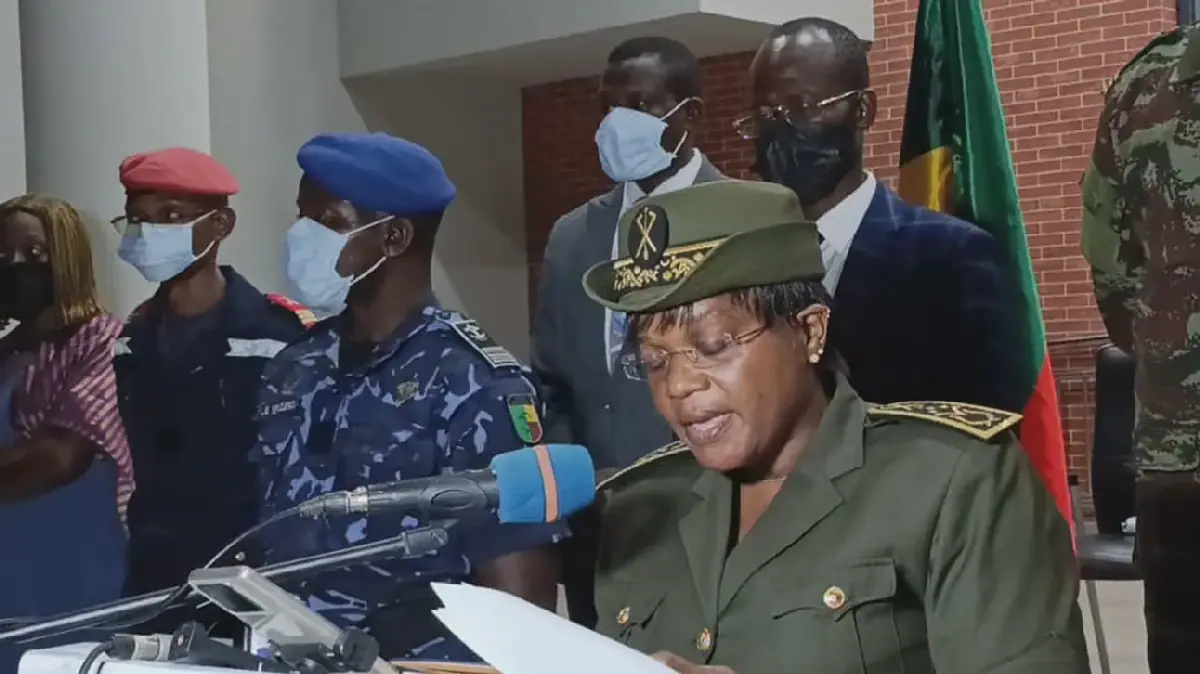
The Beninese government had put in place a comprehensive plan to receive and support the repatriated nationals. At the Cité administrative in Djougou, a reception center was set up to cater to their immediate needs. Lydie Déré Chabi Nah, the prefect of the Donga department, represented the government at the reception and conveyed a message of solidarity to the repatriated nationals. The authorities had also deployed health agents, defense and security forces, the Red Cross, Médecins sans frontières, and the National Agency for Civil Protection to provide support.
The repatriation effort was a response to the situation in Guinea, where authorities had been cracking down on illegal gold mining. According to the prefect, the Beninese president had initiated diplomatic efforts to locate and assist the stranded nationals, leading to their successful repatriation. The operation involved several ministries, including Foreign Affairs, Interior, Defense, Health, and Social Affairs, working in conjunction with local authorities.
The reception in Djougou was marked by a strong show of support from various organizations and government agencies. Services were available to provide psychosocial support, medical care, and social protection to the repatriated nationals. The authorities aimed to ensure that their dignity was respected and their immediate needs were met. Prefect Lydie Déré Chabi Nah welcomed the nationals on behalf of the government and emphasized the importance of providing them with necessary care and support.
The repatriation operation was made possible through collaboration with several international organizations and foreign authorities. The prefect expressed gratitude to the authorities of Mali and Burkina Faso for their cooperation, as well as to the International Organization for Migration (IOM), United Nations agencies, and honorary consuls who contributed to the effort. This mobilization reflects the government's commitment to protecting its citizens abroad.
Upon arrival, the repatriated nationals underwent health and psychosocial evaluations, and received necessary care. The authorities had also made arrangements for their transportation and accommodation. The government's response demonstrated its ability to respond to the needs of its citizens in distress, even when they are outside the country's borders.
The successful repatriation of the 441 Beninese nationals is a testament to the government's commitment to protecting and supporting its citizens. The operation showcased the country's ability to coordinate with international partners and respond to humanitarian needs. The repatriated nationals are now receiving the support they need to reintegrate into their communities.
Key points
- The Beninese government coordinated with several international organizations and foreign authorities to repatriate 441 nationals from Guinea.
- The repatriation effort was a response to Guinea's crackdown on illegal gold mining.
- The government provided comprehensive support to the repatriated nationals, including medical care, psychosocial support, and social protection.