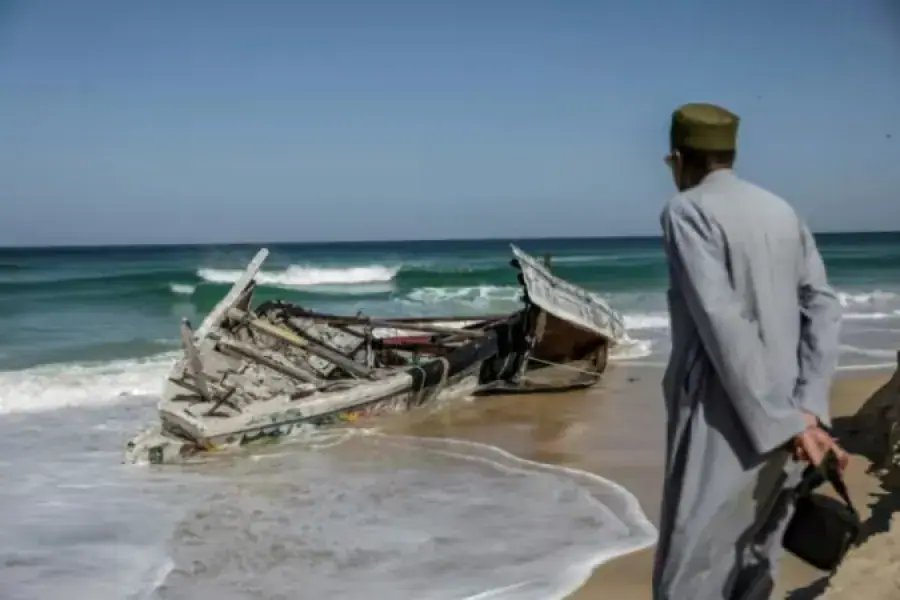
A devastating maritime disaster has struck off the coast of Senegal, with 43 bodies recovered from the ocean since a migrant boat sank on November 6. The incident has sent shockwaves through the West African country, where many young people attempt to migrate to Europe via the perilous Atlantic route. The boat, carrying around 150 people, was headed for the Spanish Canary Islands when it sank off the northwest coast of Senegal.
The tragedy has highlighted the risks faced by migrants attempting to flee poverty, conflict, and authoritarianism in their home countries. Many young people in Senegal, struggling to find prospects for the future, see Europe as an eldorado, fueled by stories of those who have successfully made the journey. However, with visas for legal migration in short supply, taking the sea has become one of the few options for those desperate to escape. Baye, a 28-year-old who survived the sinking, told AFP that he had paid 400,000 CFA francs (around $600) to board the boat, a small fortune in Senegal.
According to Baye, the passengers had been at sea for two days, waiting for the smugglers to bring them the engine and fuel needed for the crossing. However, the boat was spotted by the Senegalese navy, and it made a U-turn towards the shore, hitting a sandbank. Most passengers jumped into the water, thinking they had arrived, but ended up drowning. The incident has raised concerns about the role of smugglers, who have been accused of exploiting vulnerable migrants.
The village of Potou, near the scene of the tragedy, has been particularly affected, with six people buried on November 9, including two brothers, Bass and Moussa, aged 18 and 20. The Senegalese interior minister attended the funerals, promising to crack down on smugglers and promote "circular migration" programs, which would allow migrants to work temporarily in Europe. However, many families feel that more needs to be done to address the root causes of migration.
For families like that of Djiby Sogue, who lost his two sons in the tragedy, the pain is overwhelming. Sogue, a 52-year-old tailor, relies on his children to support him, but with fishing and farming becoming increasingly unviable, many young people feel they have no choice but to migrate. Despite the risks, Sogue still hopes to send his remaining sons to Europe, but acknowledges that the legal route is difficult, with the European Union tightening its migration policies.
The incident has sparked an outpouring of grief and anger in Senegal, with many calling for more to be done to prevent such tragedies. While the government has promised to take action, many are skeptical about the effectiveness of its measures. As the country struggles to address the economic and social challenges driving migration, the risk of further tragedies remains high.
The sinking of the migrant boat has also highlighted the need for a more comprehensive approach to migration, one that addresses the root causes of the phenomenon and provides safe and legal routes for those seeking to migrate. Until then, the risks faced by migrants like Baye and the families of those who have lost their lives will continue to be a stark reality.
Key points
- At least 43 bodies have been recovered off the coast of Senegal after a migrant boat sank on November 6.
- The incident has highlighted the risks faced by migrants attempting to flee poverty, conflict, and authoritarianism in their home countries.
- The Senegalese government has promised to crack down on smugglers and promote "circular migration" programs to address the root causes of migration.
Reporting sources
- Au Sénégal, des parents désemparés face... · Maliweb.net